

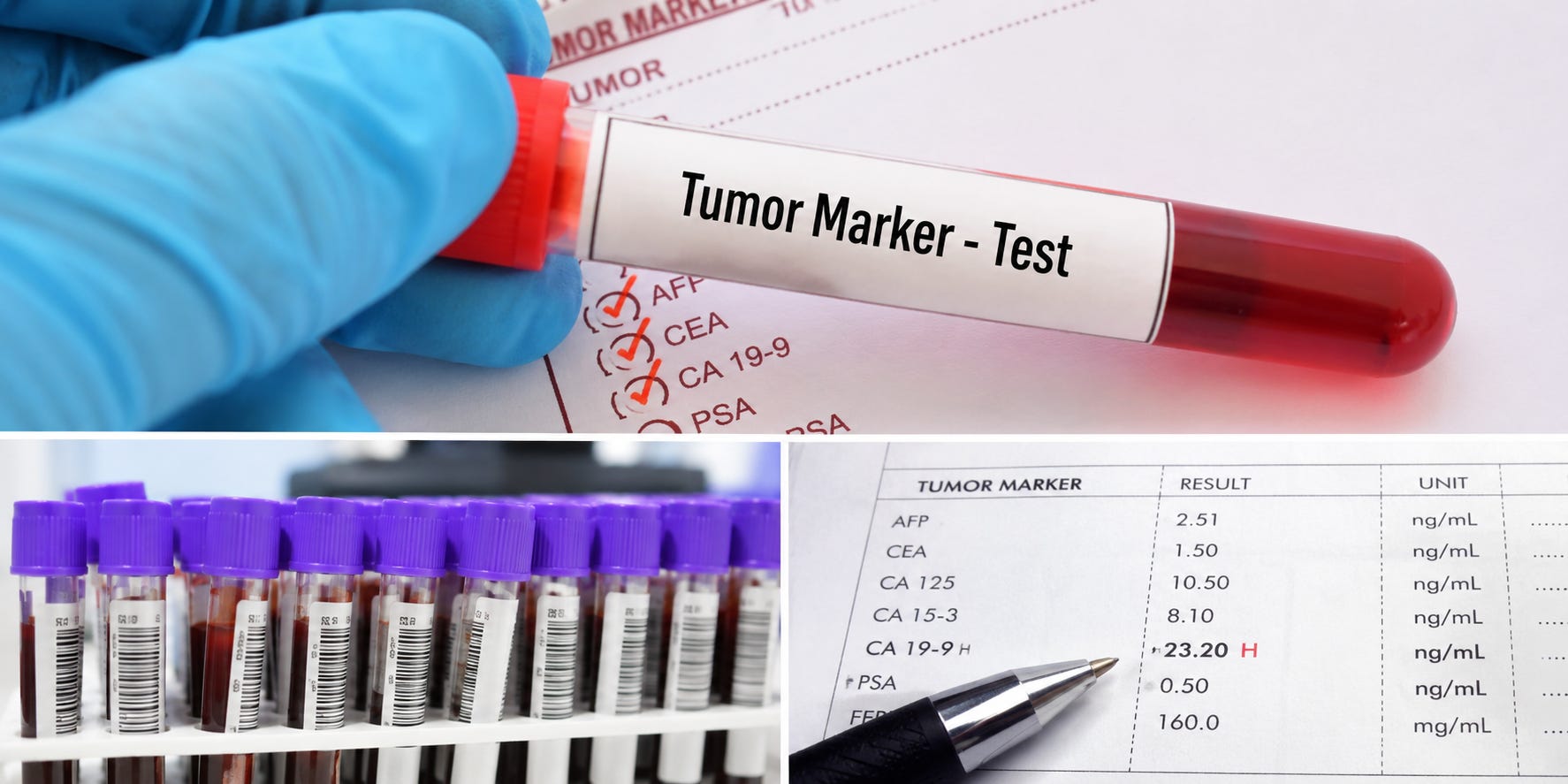
One of the most common questions I receive from people planning a medical checkup in Japan is surprisingly simple:
“Can a blood test actually detect cancer?”
The answer is:
sometimes, yes.
Not perfectly.
Not definitively.
But in certain situations, tumor marker blood tests can become an important early signal that something deserves further investigation.
And honestly, this is one of the most misunderstood parts of preventive medicine.
If you want to learn more about Japanese medical checkups and ningen dock itself, I wrote a full guide here:
https://www.japanwellnesstravel.com/p/ningen-dock-japan-for-foreigners
Today, though, I want to focus specifically on tumor markers:
what they are, what they detect, what they cannot detect, and why more international visitors are adding them to their Japan medical checkups.
What Are Tumor Markers?
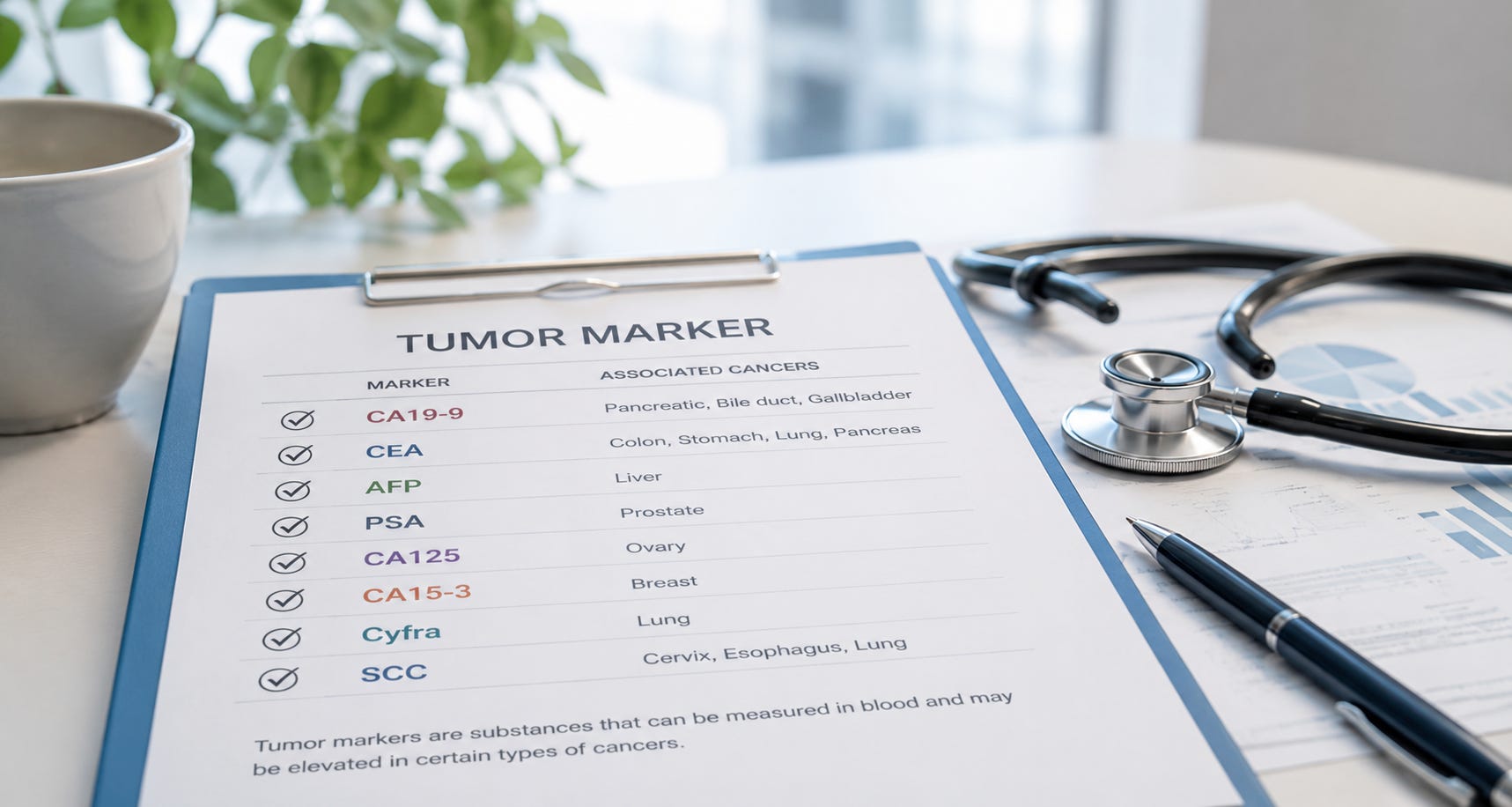
Tumor markers are substances measured in the blood that may increase when certain cancers develop in the body.
Usually these are:
• proteins
• antigens
• enzymes
• hormones
produced either directly by cancer cells or by the body reacting to cancer.
Think of them as:
possible warning signs.
Not proof.
Not diagnosis.
Not certainty.
And this distinction matters enormously.
One of the biggest mistakes people make is assuming:
“normal marker = no cancer”
or
“high marker = definitely cancer.”
Medicine is unfortunately not that simple.
But when interpreted properly alongside imaging and other screening tools, tumor markers can sometimes help identify problems earlier than symptoms appear.
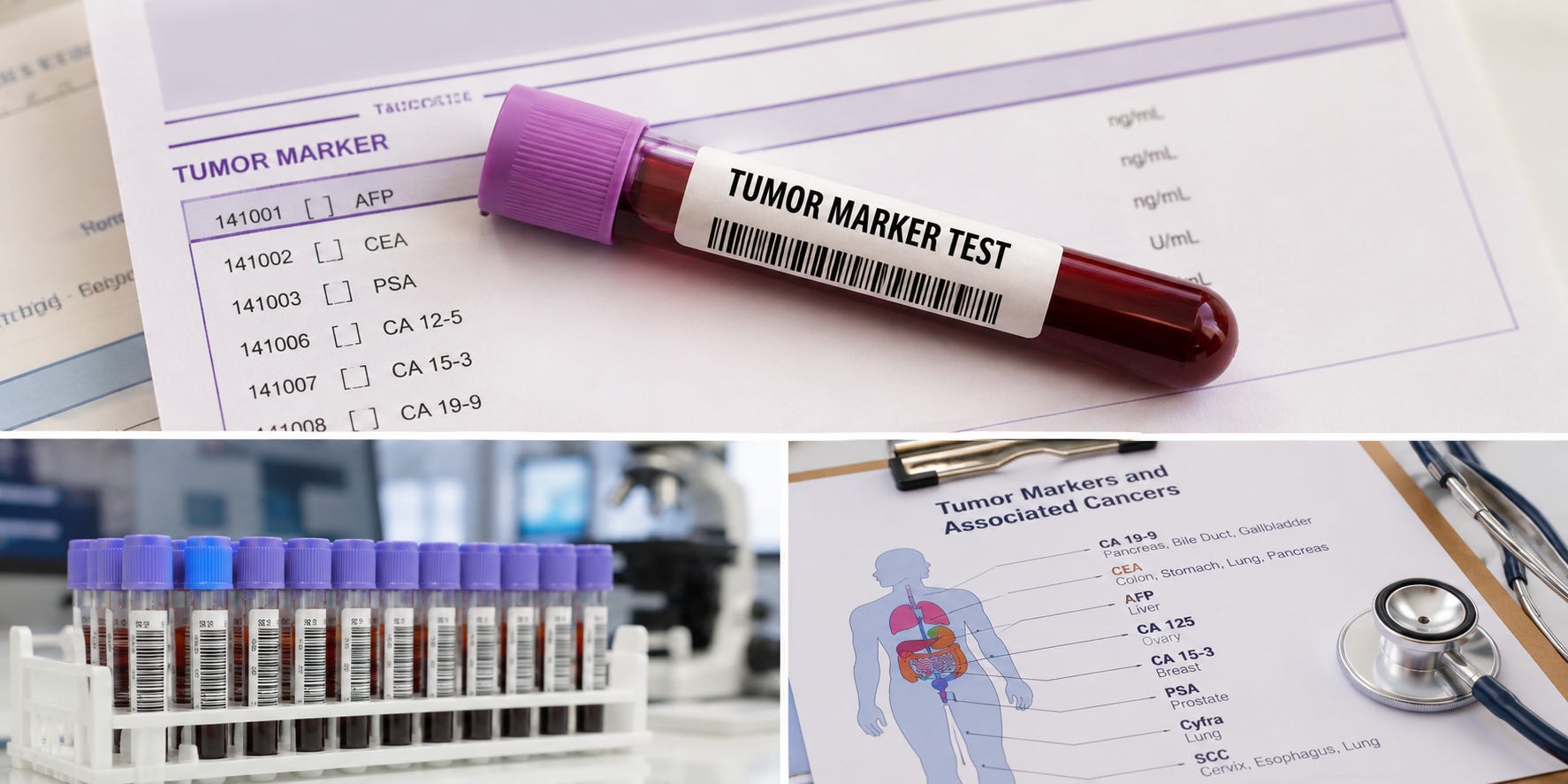
The Tumor Marker Most People Ask About: CA19-9
Pancreatic Cancer Screening in Japan
Among all tumor markers, CA19-9 is probably the one I receive the most questions about.
Why?
Because pancreatic cancer scares people.
And understandably so.
Pancreatic cancer is often difficult to detect early because symptoms may not appear until later stages.
CA19-9 is a marker associated with:
• pancreatic cancer
• bile duct cancer
• gallbladder cancer
In Japan, many people combine:
• CA19-9 blood testing
with:
• abdominal ultrasound
• abdominal CT
• MRI / MRCP
to improve screening accuracy.
But here’s the important part:
CA19-9 is NOT a perfect test.
Some people with pancreatic cancer have normal CA19-9.
And some people without cancer have elevated values due to:
• pancreatitis
• gallstones
• liver disease
• inflammation
This is why good doctors never interpret tumor markers alone.
CEA: One of the Broadest Tumor Markers
CEA is another very commonly requested tumor marker in Japan.
It can become elevated in:
• colorectal cancer
• stomach cancer
• lung cancer
• pancreatic cancer
Because it overlaps across multiple cancers, it’s often included as part of broader preventive screening.
However, there’s something many people do not know:
Smokers can naturally have elevated CEA levels even without cancer.
This is one reason medical interpretation matters.
Numbers alone do not tell the whole story.
AFP: Liver Cancer Screening
AFP (alpha-fetoprotein) is primarily used in liver cancer screening.
This becomes especially important for people with:
• hepatitis B
• hepatitis C
• fatty liver disease
• cirrhosis
• heavy alcohol history
Japan has historically invested heavily in liver disease screening, which is one reason AFP testing is widely available in Japanese preventive healthcare systems.
Usually AFP is paired with:
• abdominal ultrasound
or:
• liver imaging
rather than being used alone.
PSA: The Most Established Tumor Marker for Men
For men over 50, PSA is one of the most important baseline tests to know.
PSA is associated with:
prostate cancer
One thing I often tell patients is:
the trend matters more than one number.
Even if a PSA value falls within “normal range,” a steady rise over several years may still deserve attention.
This is why establishing baseline values early can be extremely valuable.
Many Japanese doctors recommend beginning PSA tracking in your 40s, especially if there is family history.
CA125 & CA15-3
Women’s Tumor Markers in Japan
For women, two markers commonly included in Japanese medical checkups are:
CA125
Associated primarily with:
• ovarian cancer
CA15-3
Associated with:
• breast cancer
But again, context matters enormously.
CA125 may increase during:
• menstruation
• endometriosis
• benign ovarian conditions
which can create anxiety if people interpret results without proper explanation.
This is why I strongly believe:
tumor markers should always be combined with imaging and physician interpretation.
Cyfra & SCC
Lung Cancer and Squamous Cell Screening
These markers are less well-known internationally, but commonly available in Japan.
Cyfra
Associated with:
• non-small-cell lung cancer
SCC
Associated with:
• cervical cancer
• esophageal cancer
• certain lung cancers
These are often added for:
• smokers
• former smokers
• higher-risk patients
especially when combined with low-dose chest CT screening.
The Biggest Misunderstanding About Tumor Markers
As a doctor, this is the part I care about most.
Tumor markers are NOT magic cancer detectors.
Sometimes they detect nothing.
Sometimes they rise for non-cancer reasons.
Sometimes cancers exist despite normal bloodwork.
And yet…
I still believe they can be extremely valuable when used correctly.
Why?
Because preventive medicine is rarely about one perfect test.
It is about building layers of information:
• bloodwork
• imaging
• history
• trends over time
• risk factors
Together, these layers create a much clearer picture of health.
Why Many International Visitors Choose Tumor Marker Testing in Japan
One reason more travelers are interested in tumor marker testing in Japan is accessibility.
In many countries:
• tests require referrals
• costs vary dramatically
• insurance becomes complicated
• preventive testing is difficult to arrange
In Japan, tumor markers can often be added easily to existing medical checkups.
And many visitors combine them with:
• MRI screening
• CT scans
• ultrasound
• endoscopy
• full ningen dock evaluations
during a single trip.
For people already visiting Japan, this can become an opportunity to obtain a level of preventive screening that feels difficult to access at home.
My Honest Opinion as a Japanese Doctor
I do not believe people should live in fear of cancer.
But I also do not believe ignoring health creates peace of mind.
Some of the most heartbreaking patients I encountered during training were not people with untreatable disease.
They were people who simply discovered things too late.
That is why I believe preventive medicine matters.
Not because it guarantees safety.
But because early detection creates options.
And options can change lives.
Interested in Tumor Marker Testing or Medical Checkups in Japan
If you are considering:
• tumor marker blood testing
• brain MRI screening
• cancer screening in Japan
• ningen dock for foreigners
• executive medical checkups
• preventive health screening during your Japan trip
I help international visitors navigate the process through MEDICAL CHECKUP JAPAN CONCIERGE.
Services include:
• English support
• clinic booking
• medical interpretation
• report explanation
• personalized screening recommendations
Please feel free to reach out directly for a free consultation.
Because sometimes, the most important thing you can bring back from Japan is not a souvenir.
It is clarity about your health.