

In this post:
Why Niigata’s seafood is genuinely different from what you’ll get even in Tokyo
The conveyor-belt sushi restaurant with a national reputation — and the 90-minute line that comes with it
The standing counter next door that turned out to be the better meal, not just the faster one
The actual physical reason standing sushi can taste better than anything off a belt
What I ordered, what it cost, and the honest downside of eating standing up (paid subscribers)
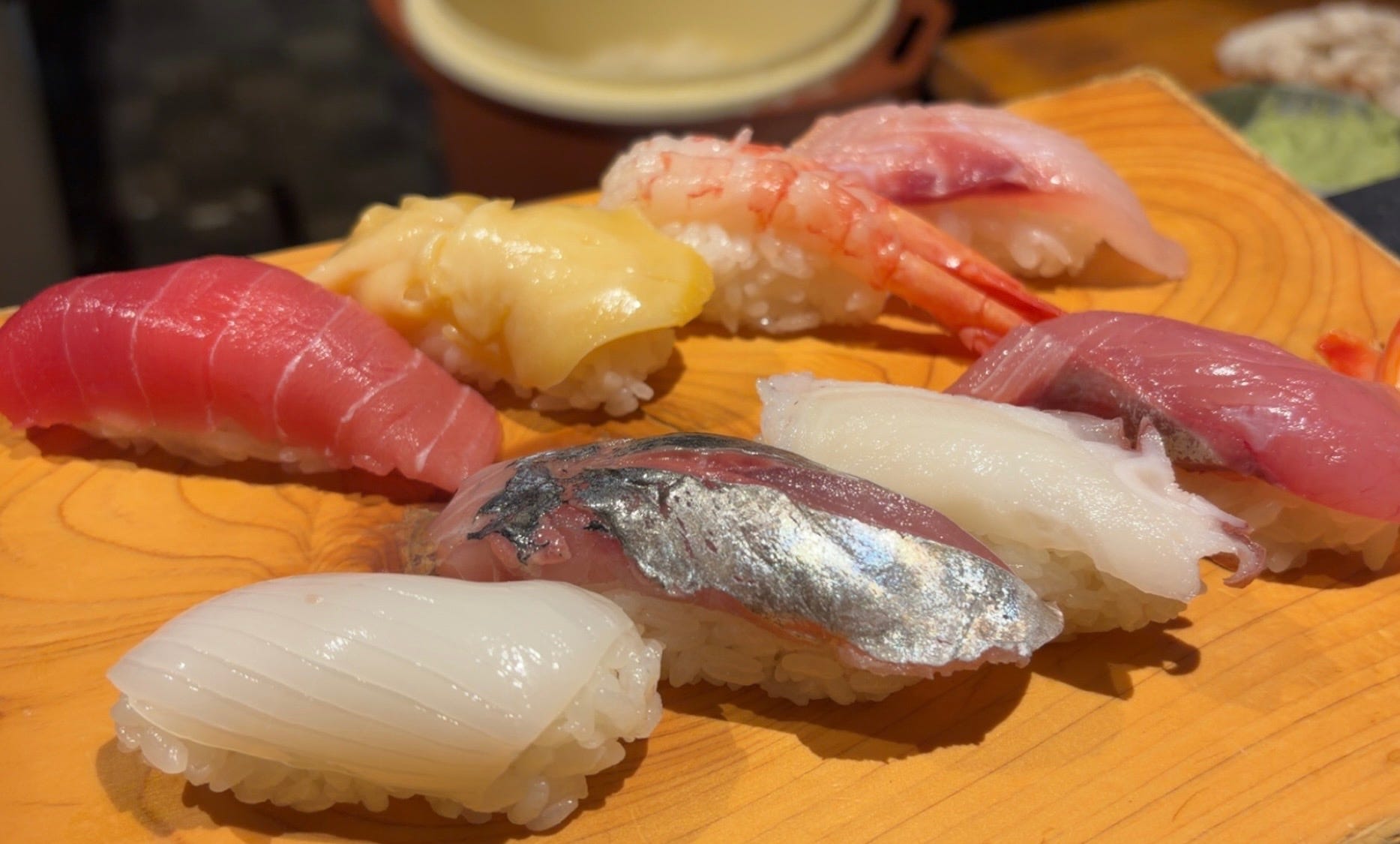
I’d seen Benkei’s name in nearly every “best sushi in Niigata” list I’d read before the trip — English-language travel blogs, Reddit threads, the usual pre-trip research — enough that the conveyor-belt restaurant at Pia Bandai was near the top of my plan before I’d even landed. What actually happened once I got there was a printed queue ticket, a wait estimate that kept climbing, and a very short walk to the counter next door instead — standing room only, same kitchen family, same fish coming off the same morning boats. I didn’t wait 90 minutes. And I’m fairly sure I ate better for it, not just faster — a meal I’m still thinking about days later, made one piece at a time by a chef standing three feet away from me.
This is the last post in the three-part Niigata series — general guide, then sake, now sushi. Free readers get the full story: why I skipped the line, the standing counter itself, and the actual reason it can taste better than the belt. Paid subscribers get exactly what I ordered, what it cost, and the honest downside of eating standing up. If you’ve made it this far through the free posts and you’re the kind of reader who takes food seriously, this is the one worth unlocking.
Why the Seafood Here Is Genuinely Different
I touched on this in Part 1, so I’ll keep it brief: Niigata sits next to the Sado Strait, a fishing ground between the mainland and Sado Island that’s known for both the volume and variety of what it produces. Combine that with same-day landing and a short distance to the city, and the practical result is fish that’s spent less time between ocean and plate than what you’ll typically find even in Tokyo. Pair that with Sado’s own Koshihikari rice for the shari (sushi rice), and you have the two ingredients that actually make sushi good — the fish and the rice — both sourced locally rather than shipped in.
Benkei, and the Line I Didn’t Wait In
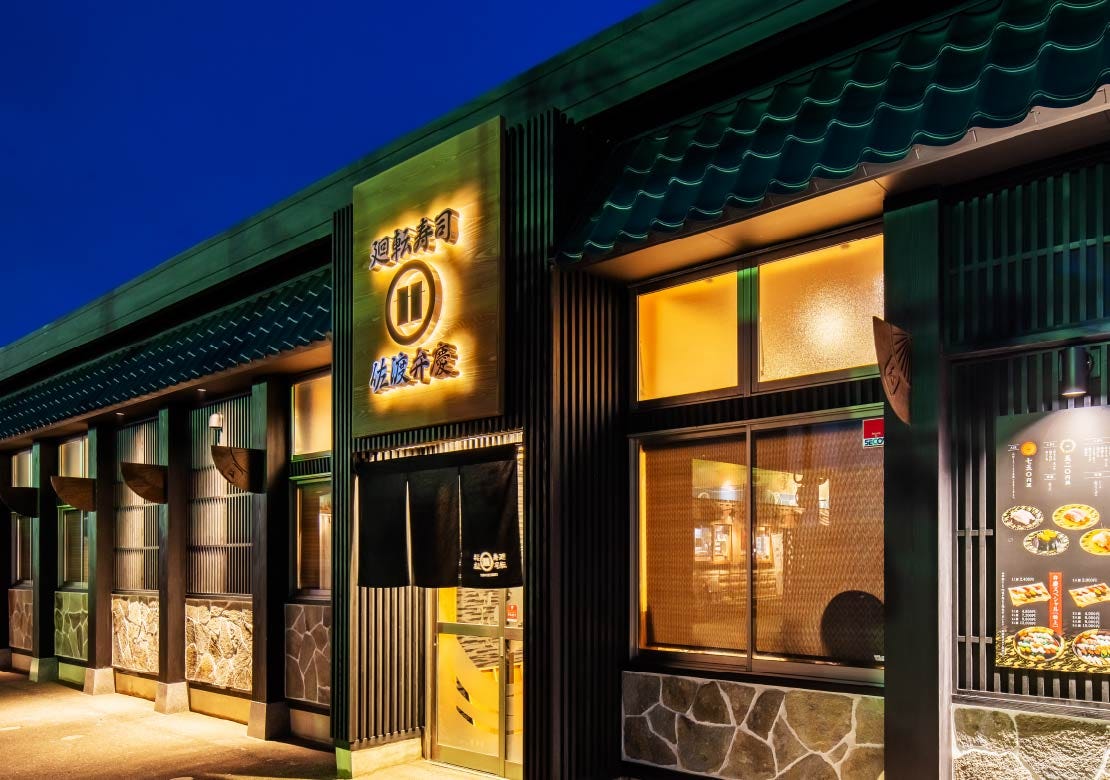
The name behind most of this is Benkei (弁慶), a Sado-born sushi group with several restaurants across Niigata City and the surrounding area today. Its flagship conveyor-belt restaurant at Pia Bandai, on the Niigata City harborfront, has built a genuine national reputation — it’s been recognized at points as a top-rated kaiten-zushi restaurant on Tabelog, Japan’s dominant restaurant review platform, and it regularly shows up on “best kaiten-zushi in Japan” lists put together by food writers and travel sites. What makes it work isn’t a gimmick — it’s sourcing: fish landed at Sado’s fishing ports each morning, brought over by the group’s own supply route, and rice grown in Sado’s low-pesticide paddies.
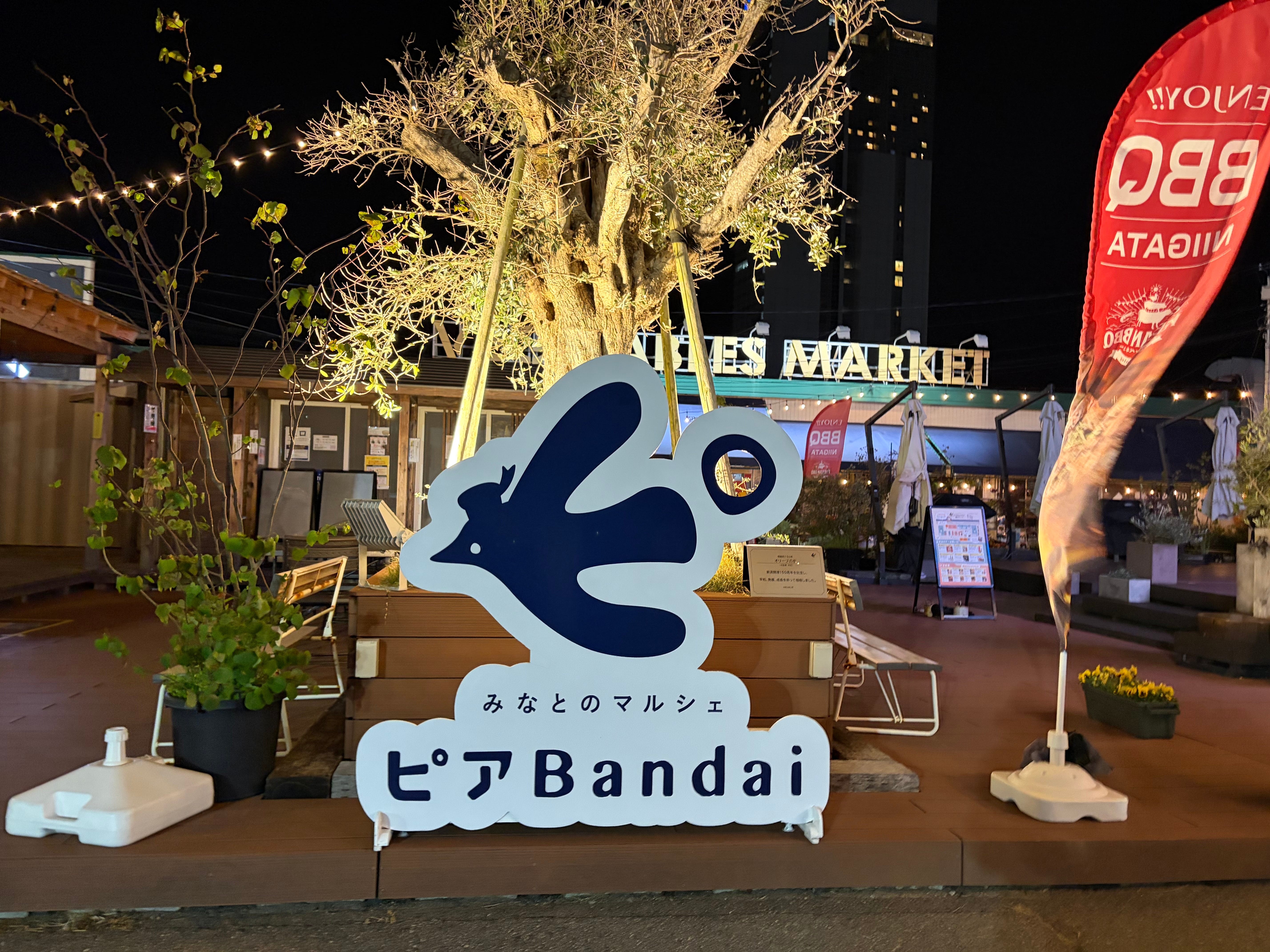
The catch is the wait. The conveyor belt’s reputation means lines that regularly stretch past an hour, especially on weekends, and I watched the estimated wait time climb the longer I stood there. Right next door, under the same roof, is a standing sushi counter run by the same group — same fish, same rice, prepared to order by a chef working right in front of you, with a much shorter line. That’s where I actually ate, and it turned out to be the better decision, not just the faster one.
The Standing Counter Itself
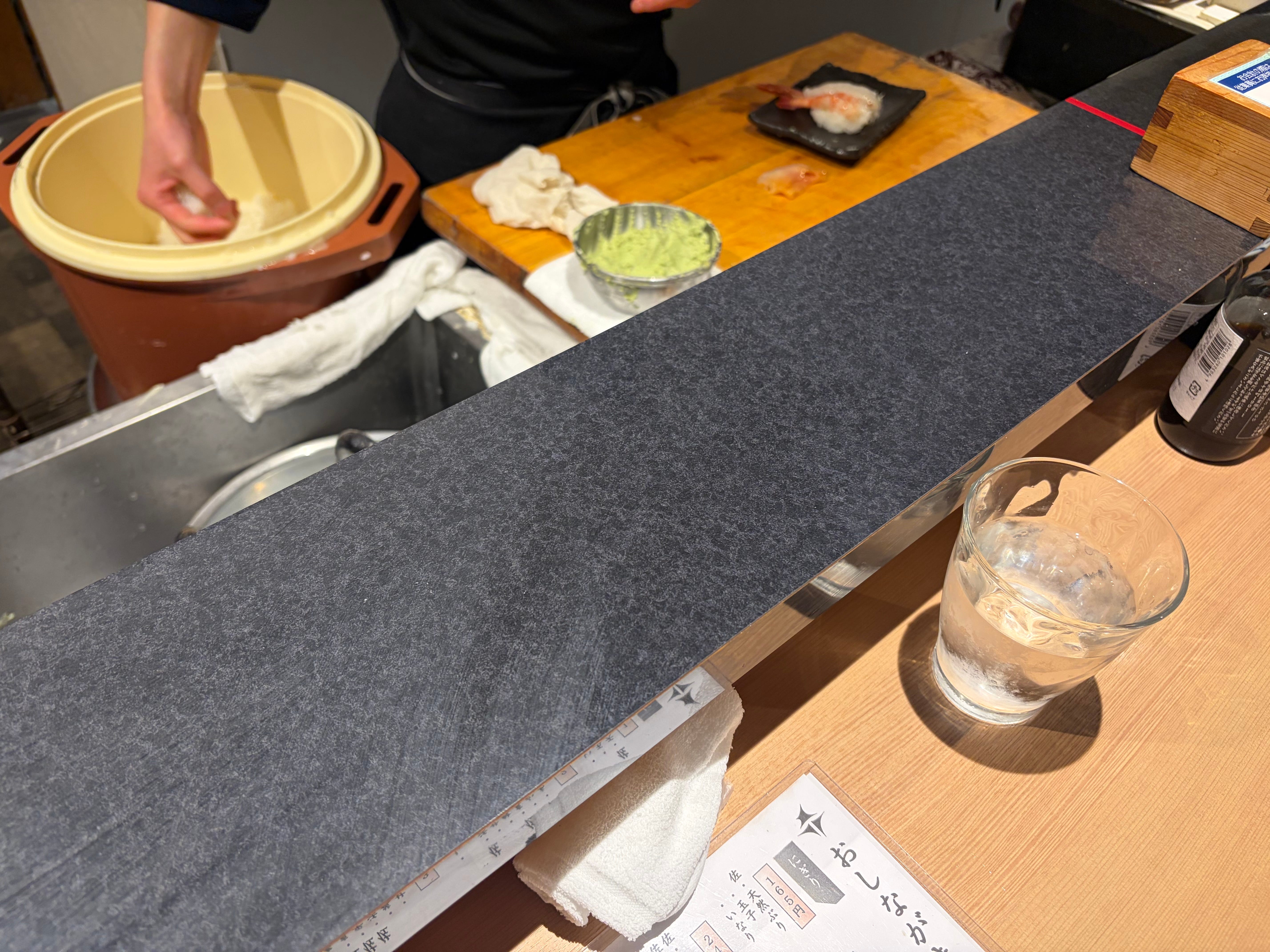
Tachigui (立ち食い) means exactly what it sounds like — no seats, a counter you eat standing at, and a noticeably faster rhythm than either the conveyor belt or a sit-down restaurant. It has none of the ceremony of a formal sushi counter and none of the wait of the belt next door. You order from a posted menu, the chef makes it in front of you, and you eat it standing, usually in less time than it takes to read this paragraph twice.
What surprised me was how little was actually sacrificed to get that speed. This isn’t a scaled-down, lower-quality version of the sit-down restaurant — it’s explicitly built to be “the same taste as the main restaurant, standing-style,” and that held up. The fish was the same quality I’d have gotten waiting an hour for a seat. The rice, seasoned with Sado’s own vinegar-forward style rather than anything sweet, was identical to what I’d read about the group’s main location. The only thing missing was the seat, and after a few minutes standing at the counter, I didn’t miss it.
Restaurant Info — Standing Sushi Counter, Pia Bandai (Niigata City)
Location: Inside Pia Bandai, Niigata City harborfront, directly adjacent to the group’s conveyor-belt restaurant
Nearest station: Niigata Station, about 15–20 minutes on foot, or a short taxi ride
Seating: None — standing counter only
Reservations: Not accepted; it’s specifically the fast-turnover alternative to the conveyor belt’s line
Price range: Comparable to the conveyor belt, roughly ¥150–¥800+ depending on the item; small sets run ¥2,000–¥2,500
English support: Limited; the posted menu is mostly Japanese, and some items sell out and get crossed off as the day goes on
Best for: Anyone who wants Benkei’s quality without Benkei’s line
Why Standing Sushi Can Actually Taste Better Than the Belt
This is the part I didn’t expect going in: skipping the conveyor belt wasn’t a compromise. In some real, physical ways, a good standing counter is the better version of the same meal.
On a conveyor belt, a piece of nigiri is made, then it travels — sometimes for a while — under a lid, at room temperature, before someone picks it up. At a standing counter, the chef makes it and hands it directly to you, seconds later. For anything served slightly warm, or anything where texture changes quickly once it’s cut, that gap matters more than people think. It’s the difference between “fresh that morning” and “fresh right now,” and once you’ve had the second version, the first one is hard to go back to.
There’s also the ordering itself. On the belt, you take what’s passing, or you flag someone down for something specific. At the standing counter, you’re talking directly to the person making your food, in real time, about what’s actually good that day — which tends to get you dishes you wouldn’t have picked yourself.
Frequently Asked Questions
What is tachigui sushi? A standing sushi bar — no seats, a fast-turnover counter, typically built as a quicker, more casual alternative to a sit-down or conveyor-belt restaurant, often from the same kitchen.
Is the standing sushi counter at Pia Bandai the same quality as the conveyor-belt Benkei next door? Yes, by design — same sourcing, same kitchen group, explicitly built to match the main restaurant’s quality in a faster format.
Do I need a reservation for the standing sushi counter? No. It doesn’t take reservations — that’s the point. It’s the fast alternative to the conveyor belt’s line.
How long is the wait at the conveyor-belt Benkei restaurant? It varies, but waits of an hour or more are common, especially on weekends. The standing counter next door is the practical workaround.
Does standing sushi actually taste different from conveyor-belt sushi? It can. Standing-counter sushi is made and handed to you seconds later rather than traveling under a lid on a belt, which matters most for anything served slightly warm or anything that changes texture quickly once cut.
