

In Japan, wellness is often linked with nature — from onsens and forest bathing to fermented foods like miso and natto. But there’s another, lesser-known ritual that has quietly existed for decades: Mokuyoku (発酵温熱木浴), or the fermented hot wood bath.
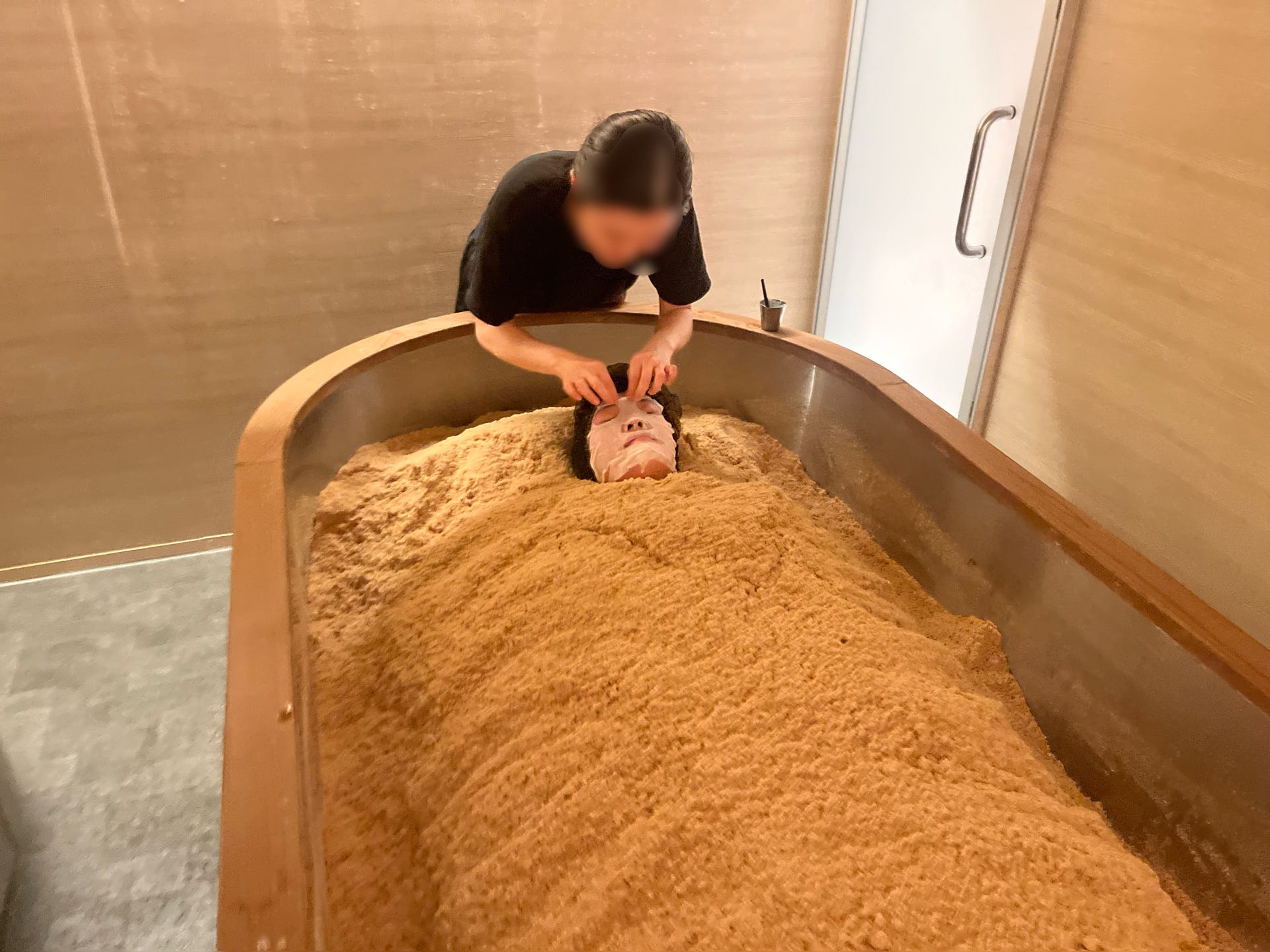
Unlike onsens, there’s no water involved. Instead, your body is gently covered with fine cypress wood powder, naturally warmed by microbial fermentation. No gas, no electricity — just the living heat created when microorganisms break down organic matter.
For centuries, the Japanese have harnessed the power of fermentation not just to preserve food but to nourish the body and restore balance. Mokuyoku is a beautiful extension of that philosophy.
How Fermented Heat Works
When microorganisms decompose organic materials, they generate natural heat — similar to composting, but much more refined. In a Mokuyoku bath, this process creates a steady warmth around 65–80°C, allowing your body temperature to rise deeply and gently.
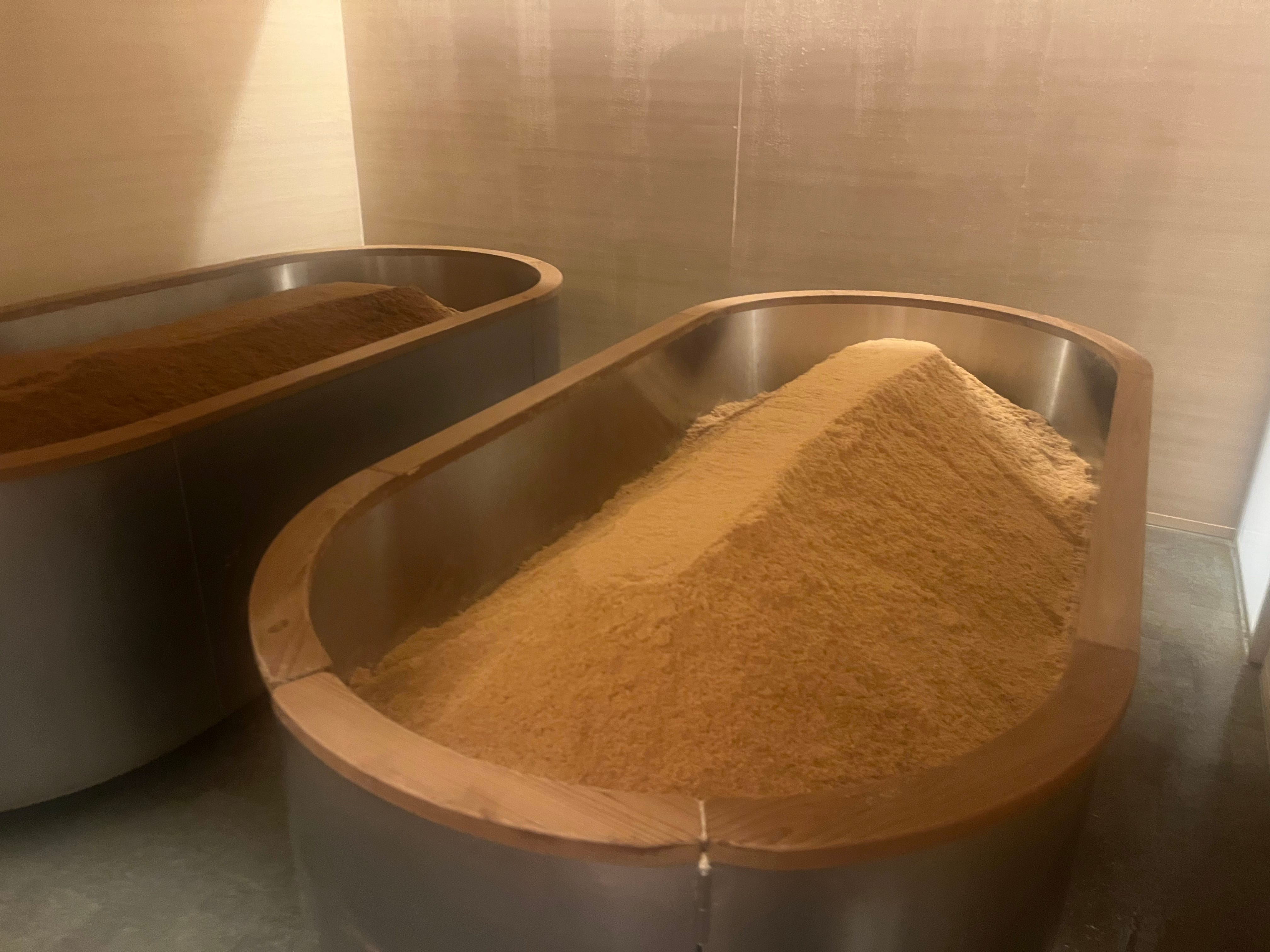
Unlike saunas, which heat the body from the outside, Mokuyoku warms you from the core. Within just 15 minutes, it can raise your internal body temperature by up to 2°C — promoting detoxification, circulation, and relaxation without feeling suffocating or overly hot.
This deep heating effect is believed to:
Strengthen the immune system
Support metabolism and fat burning
Relieve muscle and joint tension
Improve sleep quality
Promote clear, healthy skin
In short, it’s a natural reset for the body — using nothing but microbes, wood, and time.
Why It Feels Different from a Sauna or Onsen
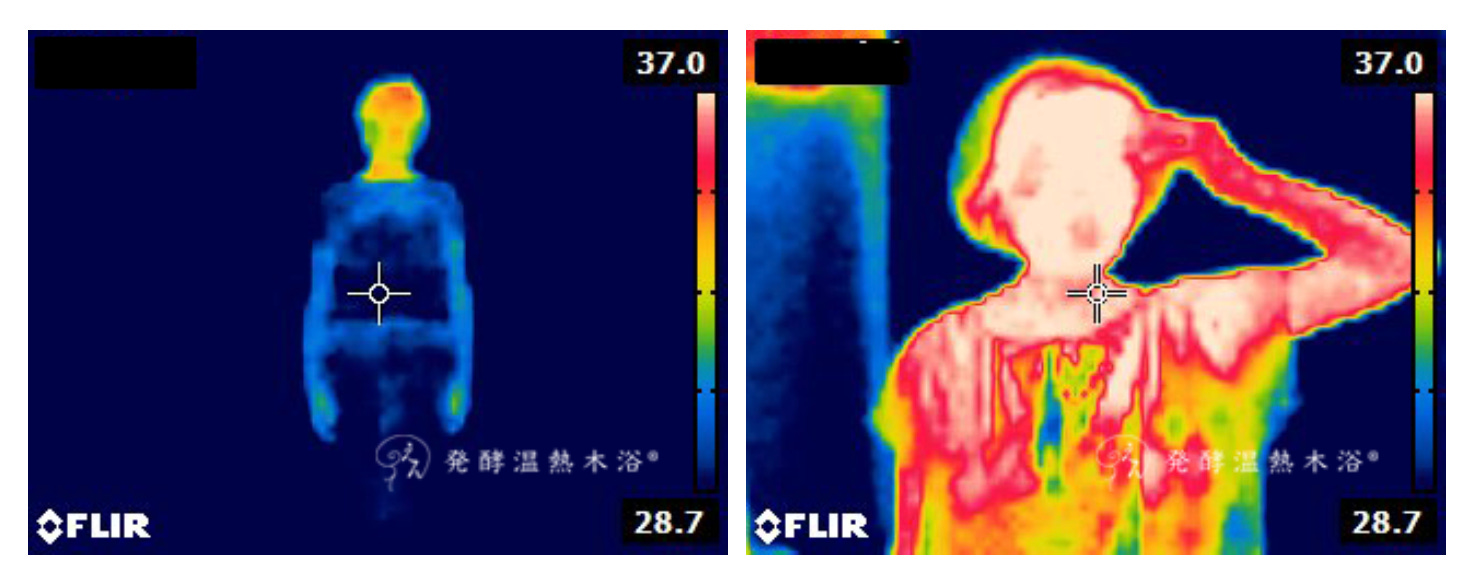
A typical sauna can raise your core temperature by about 0.5°C, while a hot bath raises it by around 1°C. In contrast, a 15-minute Mokuyoku session increases it by up to 2°C, based on research conducted together with Kansai Medical University.
That deeper warmth affects the autonomic nervous system, shifting your body into a relaxed, parasympathetic state. People often describe the experience as being hugged by nature.
It’s not only about sweating — it’s about restoring harmony between your body, microbes, and the earth.
The Modern Revival: En 発酵温熱木浴®
Among the few places that have revived this ancient practice in a modern, sustainable way is En 発酵温熱木浴 in Japan.
En uses 100% natural fermentation heat — no artificial sources or additives. Their process is certified by the Organic JAS Material Evaluation Council, ensuring both environmental and wellness integrity.
After the wood powder is used, it’s recycled as organic compost to nourish local soil — completing a full circular wellness cycle that supports Japanese forestry and agriculture.
Their signature treatment, the Fermented Hot Wood Bath®, pairs the Mokuyoku experience with a soothing enzyme drink made from fermented fruits and vegetables — helping digestion and recovery after the bath.
The Essence of Mokuyoku
In Japan, there’s a saying:
“When the body is warm, the heart opens.”
Mokuyoku embodies that philosophy perfectly.
It’s a deeply Japanese form of wellness — quiet, natural, and rooted in respect for life’s smallest organisms.
Next week, I’ll share my personal experience at En, including what it actually feels like to be surrounded by living warmth, what happens during the session, and how it compares to a traditional onsen.
Please Subscribe to the paid version to read the full experience and travel tips for visiting En!
You can read the full experience here!
My Mokuyoku Experience in Tokyo – A Deep Warmth You Can Only Feel in Japan

In my last newsletter, I shared about the culture and science behind mokuyoku — Japan’s unique fermented wood bath that uses the power of natural fermentation to warm your body from within.
I want to visit an En location so badly, but am worried because I unfortunately cannot speak Japanese. Do you think this would be a hard thing to navigate using just a translator app (like Google Translate)? Or do you think I might be turned away?
Thanks for sharing; that sounds so cool. I regularly use a beach sauna here in the UK - so this idea of heating from within is fascinating to me.