

Matcha has turned into a full wellness category. Cafes sell it as a “clean energy” alternative to coffee, supplement brands call it a superfood, and skincare lines put it in everything from cleansers to lip balm. Some of that is genuinely backed by research. A lot of it is a health halo that’s outrun the evidence.
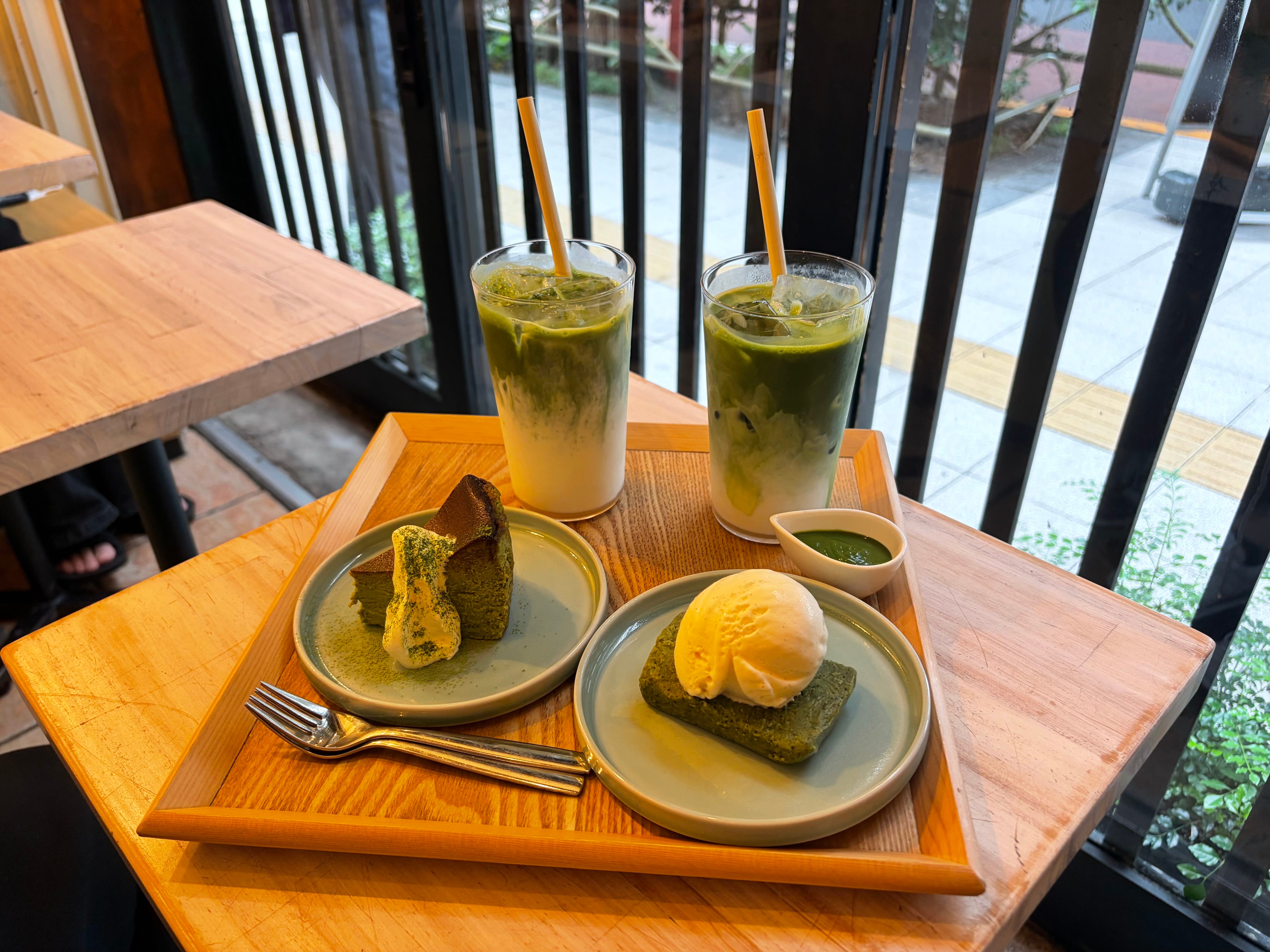
As a doctor practicing in Japan, where matcha isn’t a trend but a few-hundred-year-old part of daily life, I wanted to actually go through the claims people repeat most — the good and the exaggerated — and tell you honestly which ones hold up, with the actual research behind each one.
In this article:
What matcha actually is, and why it’s different from steeped green tea
✅ Four real, source-backed reasons matcha is worth drinking
❌ Three claims that are exaggerated or unsupported by human research
How to actually buy good matcha
(If you want the full rundown of Japanese tea types — sencha, hojicha, gyokuro, and where matcha fits among them — I covered that in detail here. This article focuses specifically on what matcha does for your body.)

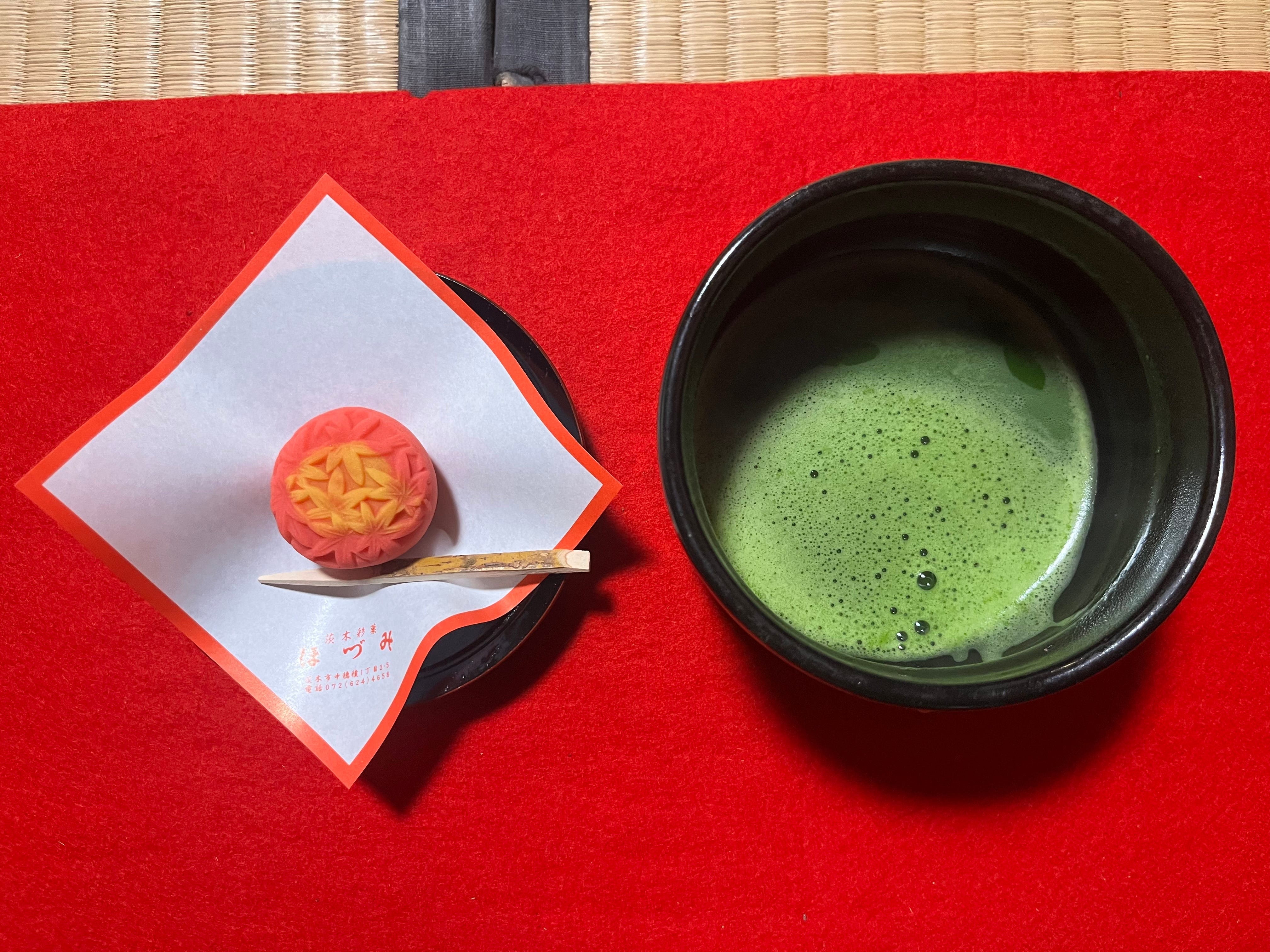
Full disclosure before we start: I’m not a neutral party here. I genuinely love matcha — I have it about once a week, usually on a slow weekend morning, whisked plain with no milk. So take my enthusiasm for what it is. That’s exactly why I wanted to actually check what I could defend as a doctor versus what I just like believing as a fan.
What matcha actually is, in one sentence
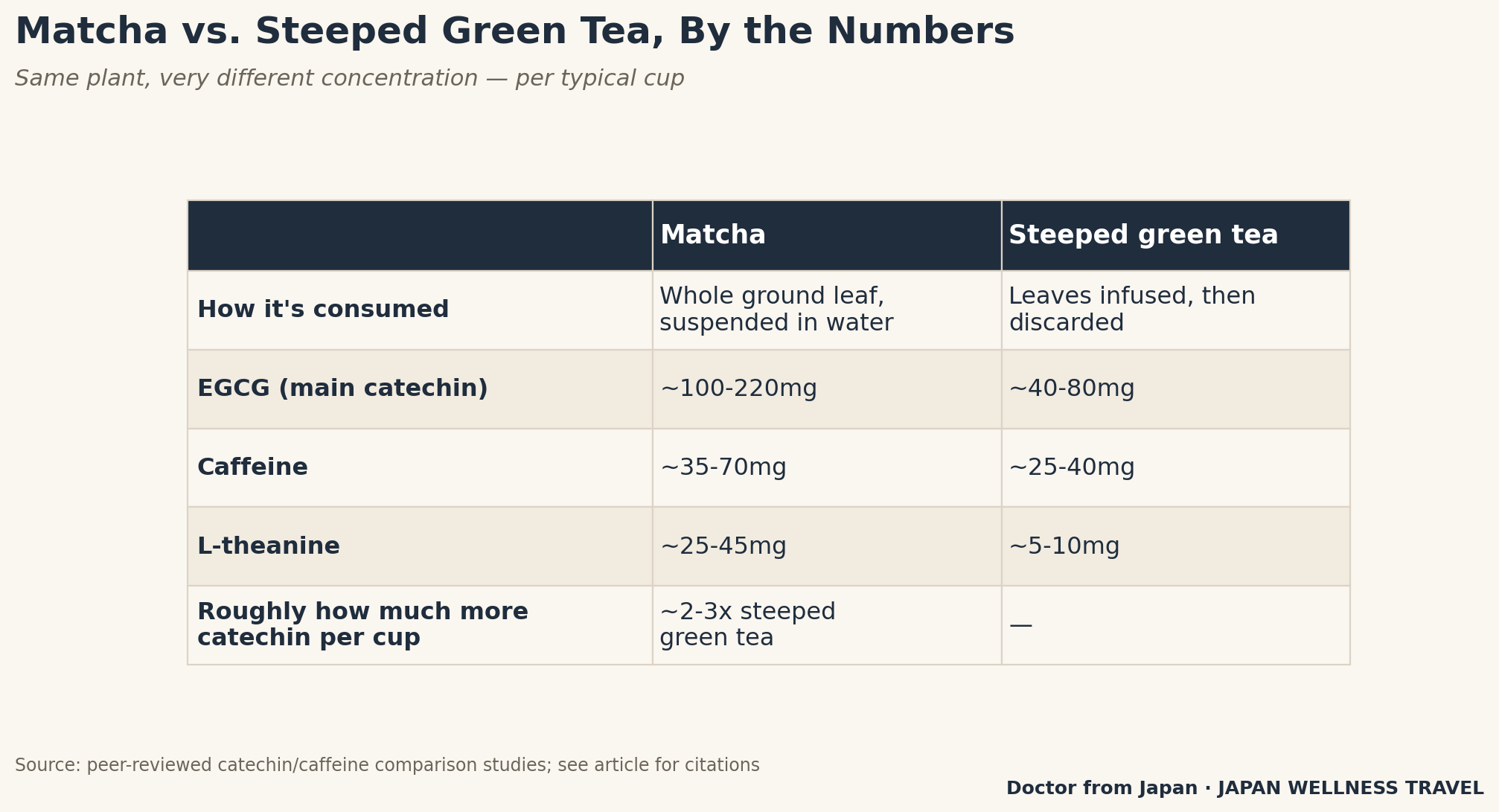
Matcha and steeped green tea come from the exact same plant, Camellia sinensis. The difference is entirely in how you consume it: with steeped tea, you infuse the leaves in hot water and drink the liquid, discarding the leaf. With matcha, the leaf is stone-ground into a fine powder and you drink the entire leaf, suspended in water. That one difference — whole leaf vs. infusion — is the reason for almost everything else in this article.
✅1–✅4: What’s actually true — four real reasons matcha is worth drinking
✅1. You get far more catechins than steeped tea — and there’s genuine human evidence behind them
Matcha is rich in catechins, a family of plant polyphenols, and the most researched of them is EGCG (epigallocatechin gallate). This comes down to the whole-leaf difference: when you steep green tea, only a portion of what’s inside the leaf actually makes it into your cup, and the rest stays behind in the leaf you throw away. Research on the powdering process of tea leaves found that grinding leaves into powder (the matcha method) more than tripled the extractable concentration of EGCG compared to steeping the same leaf whole, according to a peer-reviewed 2018 study published in Nutrients — meaning matcha delivers roughly 2–3 times the EGCG of a typical steeped green tea.
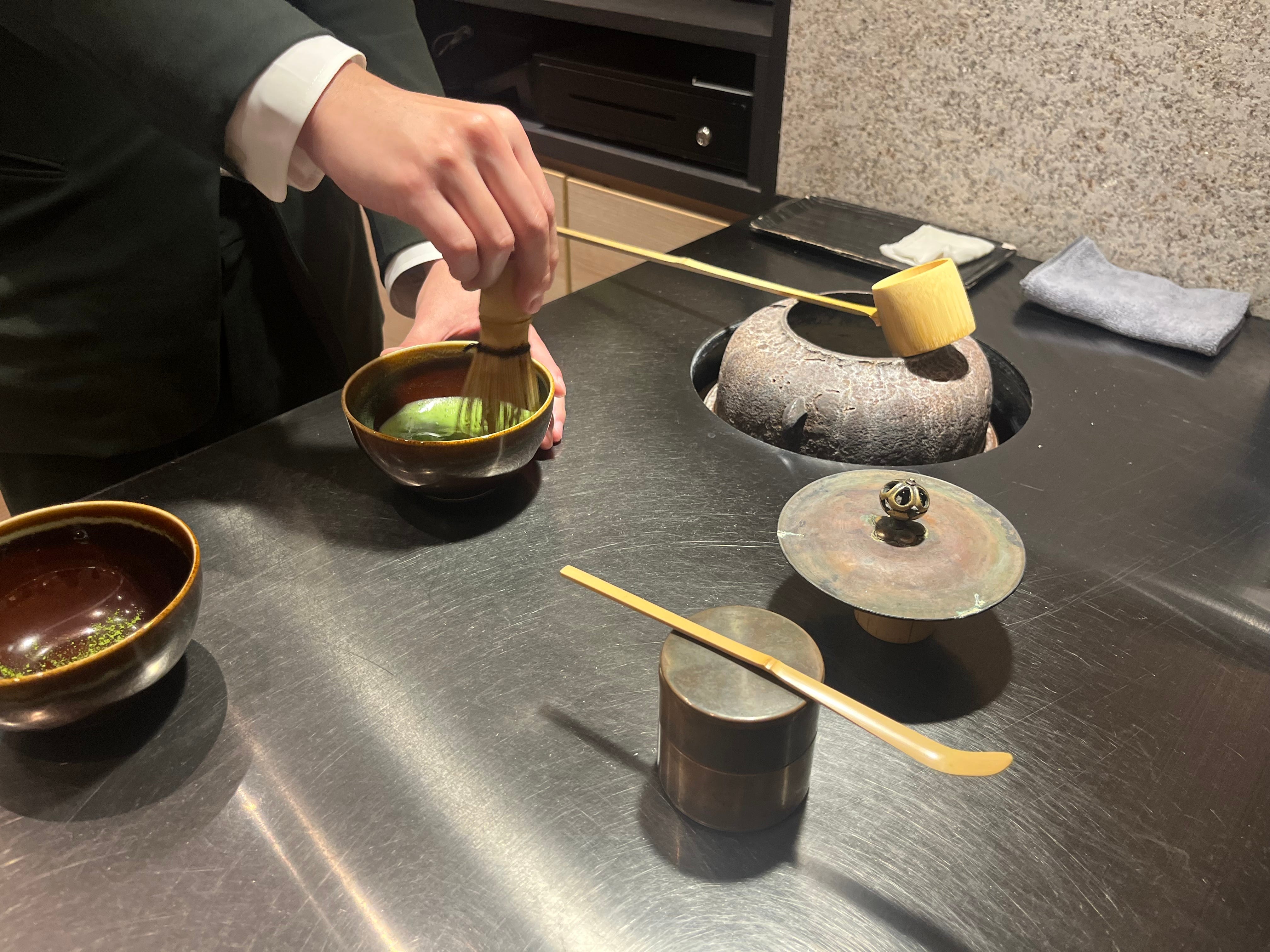
Catechins are genuine antioxidants — they help neutralize the reactive oxygen species (free radicals) involved in cellular aging — and this isn’t a fringe claim; EGCG is one of the most-studied plant compounds in nutrition science. Here’s the part I actually find most convincing, and it’s specifically human data: a 2014 meta-analysis in Scientific Reports (Nature) pooling 13 randomized controlled trials found that green tea catechins produced a small but statistically significant reduction in blood pressure — roughly 2 mmHg systolic and diastolic. That’s modest, not dramatic, and interestingly the effect was blunted in high-caffeine preparations. But it’s real human trial evidence, which is more than I can say for the weight-loss claim below (❌2) — that one is animal-only. This is the one claim in this whole section I’d call genuinely well-supported rather than just plausible.
✅2. L-theanine makes the caffeine feel different — and calmer
Matcha contains more caffeine than steeped green tea, but it also contains far more L-theanine, an amino acid that slows how quickly your body absorbs that caffeine and independently promotes a relaxed, alert mental state. This isn’t a wellness-industry invention: a double-blind, placebo-controlled study published in Biological Psychology found the L-theanine/caffeine combination measurably improved attention and reduced the “jittery” quality of caffeine alone, and the effect has been replicated in several follow-up trials. This is genuinely the claim I’d stand behind most confidently in this whole article.
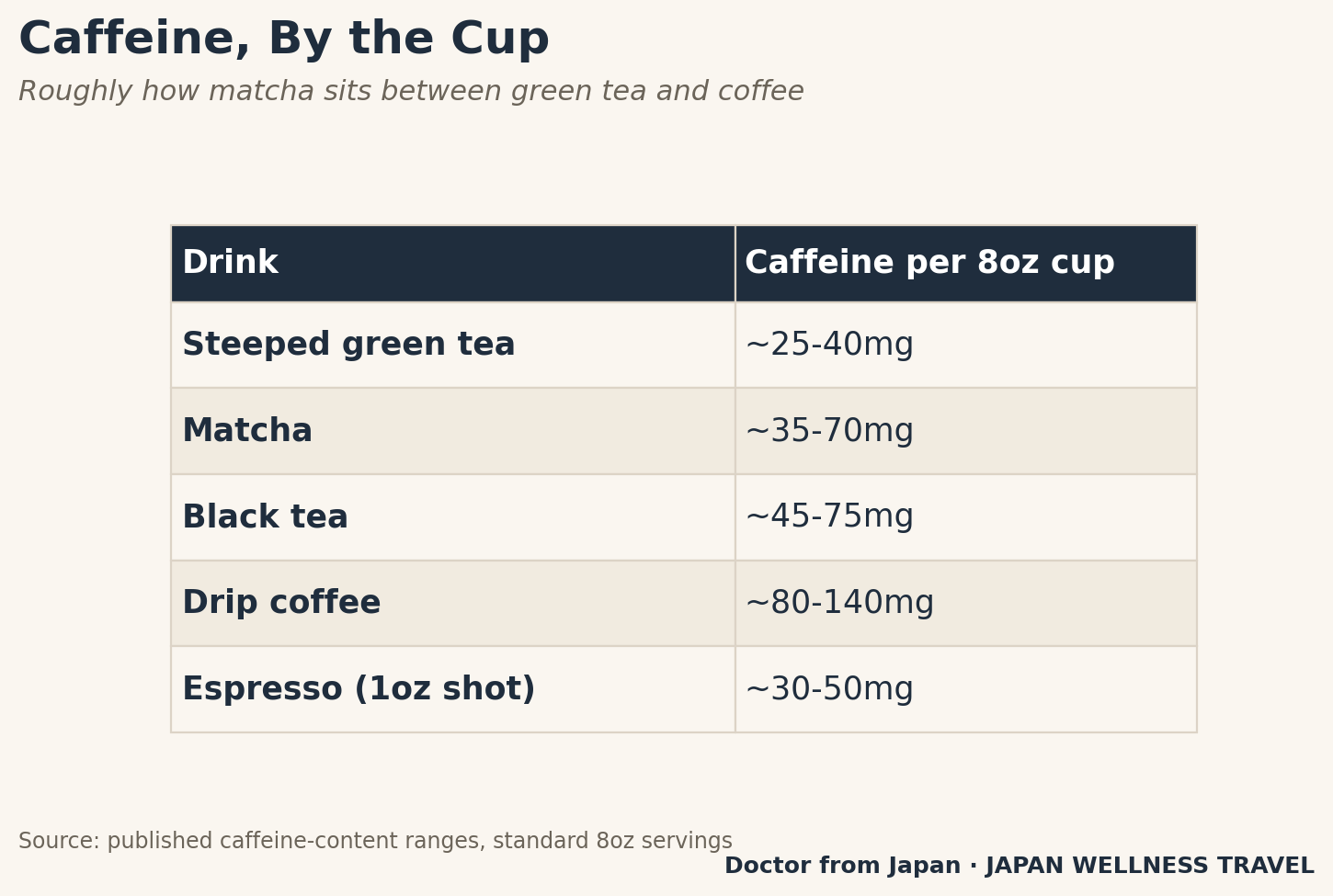
Practically, this means matcha sits in a useful middle zone: more sustained focus than a coffee crash, more of a lift than a regular cup of green tea.
✅3. Chlorophyll gives matcha a genuinely different antioxidant profile
Matcha’s vivid green color comes from chlorophyll, and it’s not just cosmetic. Matcha tea bushes are shade-grown for several weeks before harvest, which boosts chlorophyll production. Chlorophyll has antioxidant properties distinct from catechins, and because matcha is whole leaf rather than an infusion, you get far more of it than from steeped tea — which is largely why matcha is such a distinctly deep green compared to a cup of sencha. I’ll flag one thing honestly: chlorophyll’s other commonly claimed effects (deodorizing, detoxifying) rest mostly on old, thin evidence, so I’m keeping this one specifically to the antioxidant role, where the science is on firmer ground.
✅4. You get some genuine trace nutrients you’d otherwise throw away
Because you’re consuming the whole ground leaf, matcha also carries small amounts of vitamins and minerals that stay behind in a discarded tea bag — including vitamin C, vitamin E, and trace minerals like manganese and zinc. I want to be honest about scale here, though: these are trace amounts relative to your daily needs, not a meaningful source of any single nutrient on their own. Matcha is not a multivitamin. It’s a genuine (if small) nutritional bonus on top of the catechin and chlorophyll story — not a headline benefit in itself.
❌1: Myth — matcha “detoxes” your body
I see this word on packaging constantly, and it’s the one that bothers me most as a doctor, because it’s not describing anything real.
Your liver and kidneys detoxify your body, continuously, whether you drink matcha or not. No tea, juice, or supplement adds a meaningful “detox” function on top of organs that are already doing this job every hour of every day. Matcha does contain chlorophyll and catechins that support general cellular health — see the chlorophyll and catechin points above, that part is genuinely true — but “detox” as it’s used in marketing is a word chosen because it sounds like a mechanism, not because there is one.
❌2: Overstated — matcha “boosts your metabolism” enough to matter for weight loss
This is one of the most common matcha marketing claims, and the honest version is much smaller than the version on the label.
A 2022 review of matcha research published in Current Research in Food Science found that matcha’s effects on weight gain, cholesterol, and blood sugar have real support — but almost entirely from animal studies, not human trials. Mice given matcha alongside a high-fat diet gained weight more slowly and showed improved cholesterol and glucose markers. That’s a genuinely interesting signal. But the review’s authors were explicit that rodent metabolism doesn’t map cleanly onto human metabolism, and stated plainly that human randomized trials on matcha specifically — as opposed to green tea catechins generally — remain absent. The honest summary: modest fat-oxidation support around exercise in limited human data, not a metabolism-boosting weight-loss tool.
❌3: Overstated — matcha as a cancer-fighting superfood
This is the one I want to be most careful about, because the underlying science is real but the conclusion people draw from it usually isn’t.
EGCG has shown anti-inflammatory and antioxidant activity in lab and animal studies, and some of that research is genuinely promising. But “shows activity in a petri dish or a mouse” is a long way from “prevents cancer in a person drinking a cup a day,” and the human evidence is far more limited and mixed than the supplement industry implies. I’d file this under: worth continued research, not something to build health decisions around.
How to actually buy good matcha
You don’t need to become an expert, but a few things separate good matcha from marketing:
Look for ceremonial grade if you’re drinking it plain, culinary grade if it’s going into a latte or baking — the difference is bitterness and quality of the leaf, not a false hierarchy.
Japanese origin, ideally with the growing region named (Uji and Nishio are two well-known ones) — not just “product of Japan” on a bag sourced elsewhere.
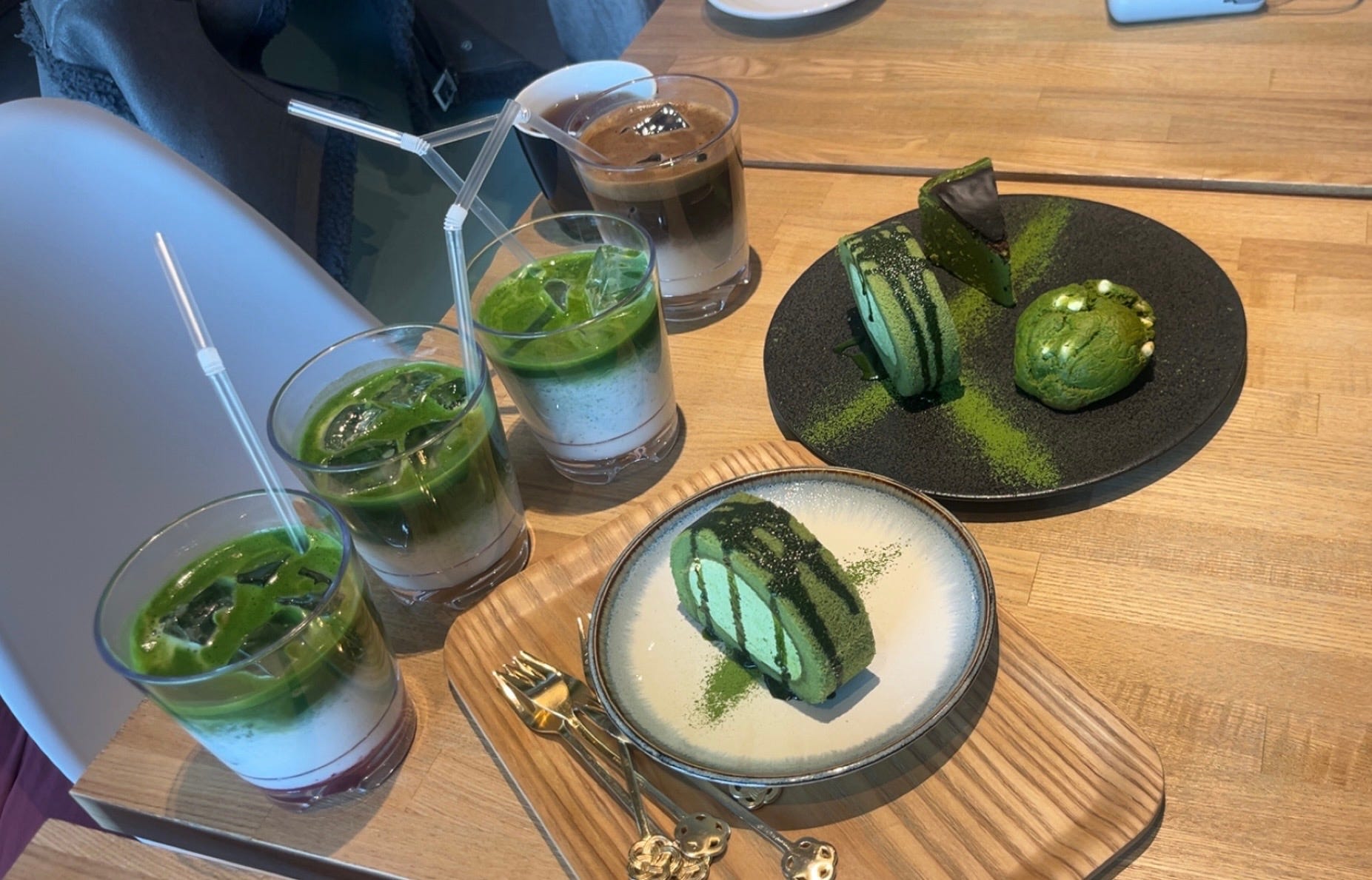
Beyond that, it's genuinely personal preference. Once you've got a Japanese-origin matcha at the right grade for how you're drinking it, brand, price point, and flavor come down to your own taste — there's no single "correct" answer, just what you actually enjoy drinking.
Frequently Asked Questions
Is matcha actually healthier than regular green tea? It offers more concentrated catechins, chlorophyll, and caffeine because you consume the whole leaf, but “healthier” depends on what you’re optimizing for. Neither is unhealthy; they’re different concentrations of the same base compounds.
How much matcha is safe to drink per day? Most healthy adults can comfortably have 1–2 cups a day within normal caffeine guidelines (under 400mg/day total from all sources). If you’re pregnant, sensitive to caffeine, or on certain medications, check with a doctor first.
Does matcha actually help with weight loss? The evidence for a meaningful metabolic boost is mostly from animal studies, not humans — see ❌2 above. There’s modest human evidence for increased fat oxidation around exercise specifically, but it’s not a substitute for diet and activity.
Is ceremonial-grade matcha worth the extra cost? For drinking it plain (whisked with hot water, no milk or sweetener), yes — the flavor difference is significant. For lattes or baking, culinary grade is genuinely fine and a better value.
Can I drink matcha on an empty stomach? Some people find the tannins and caffeine irritating on an empty stomach. If that’s you, have it after a small meal rather than first thing.
A final word, as a doctor (and as someone who just really likes matcha)
Matcha doesn’t need to be a superfood or a detox drink to be worth having in your routine. The real story — whole-leaf catechins and chlorophyll, a genuinely different caffeine experience thanks to L-theanine, and a quality question that has almost nothing to do with the health claims on the label — is more interesting than the marketing version, not less. My honest take: drink it because you like it and because the sourcing is good, not because of what the packaging promises it will do for you.
Now I want to hear from you. What’s your favorite matcha — a brand you trust, or a specific matcha cafe in Japan you still think about?
Drop your favorites in the comments below — I read every one, and I might feature a few readers’ picks in that next post.
And actually, this next part is already done. I've written up the real list of matcha cafés in Tokyo I go back to myself — not a "best of" roundup pulled from search results, but the actual shops I trust and keep returning to, and what separates them from the tourist-trap matcha you'll find near any major station. I'm publishing it for paid subscribers soon, so if you don't want to miss it, this is the moment to subscribe.
⚕️ This article is for education, not personal medical advice. I’m a doctor, but I’m not your doctor — for decisions about your own health, please see a physician who can examine you.