

Recently, I had the chance to join a tea ceremony. Every time I experience it, I feel like suddenly stepping out of the modern world and entering a pocket of time that hasn’t changed for centuries. The sound of the kettle, the quiet tatami room, and the earthy scent of matcha always bring me back to myself.
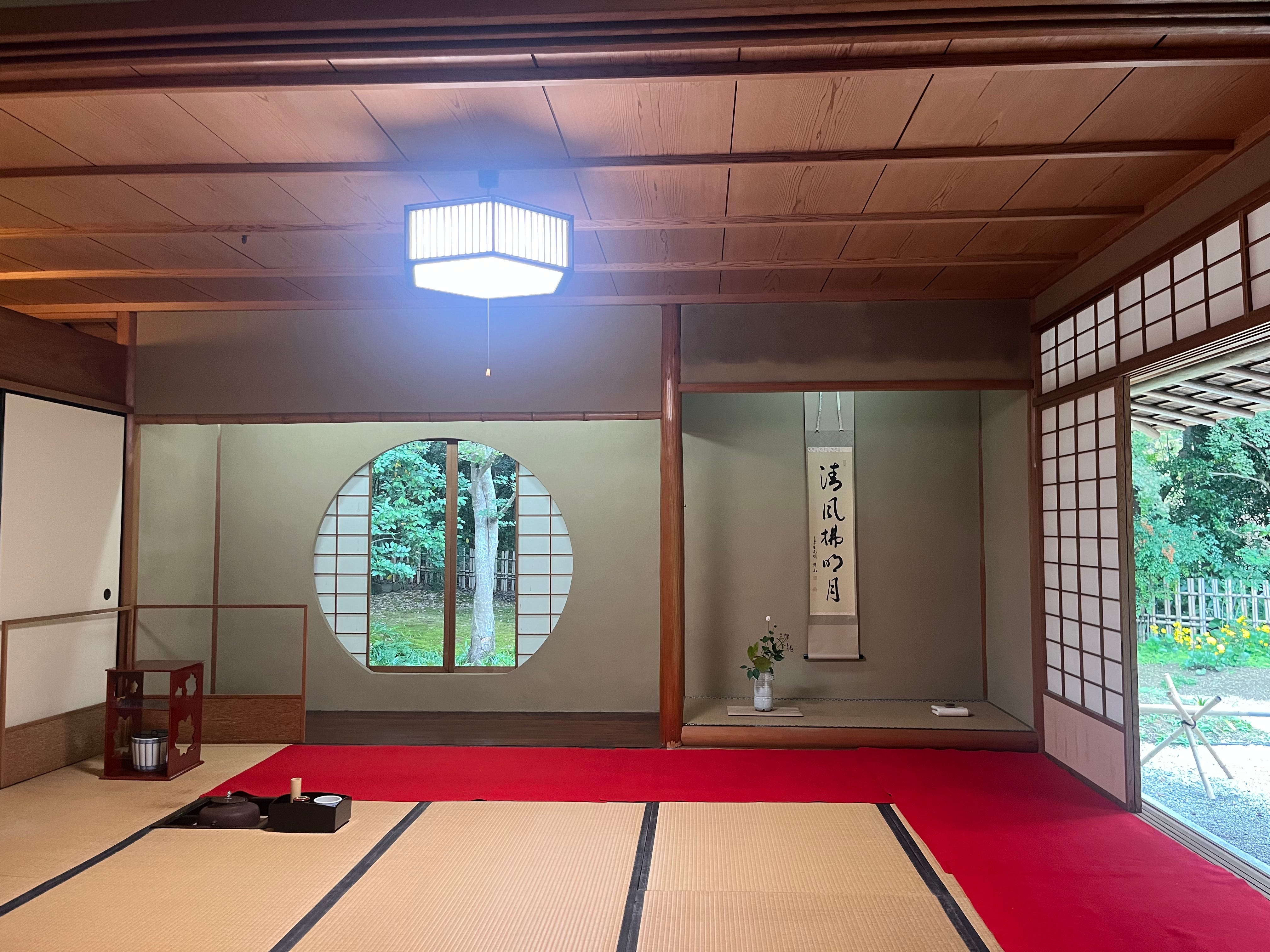
For anyone curious about wellness travel in Japan, or simply looking for a ritual that slows your mind, the Japanese tea ceremony is one of the best introductions. Today’s post is a beginner-friendly guide to what the tea ceremony actually is, why Japanese people (including me) love it, and a short history to understand the spirit behind it.
What Is the Tea Ceremony?
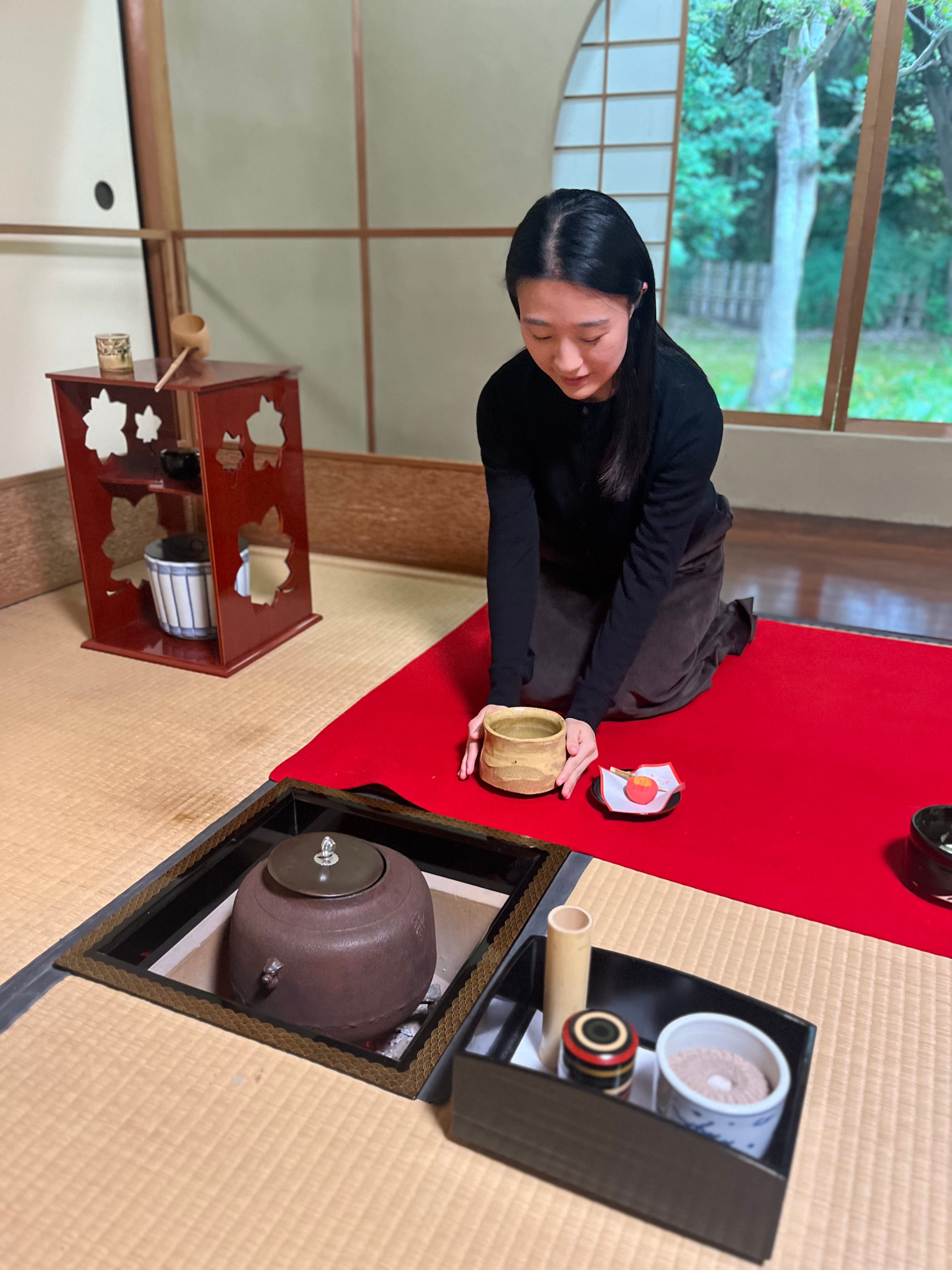
The Japanese tea ceremony—called chanoyu, chado, or sado—is a ritualized way of preparing and sharing matcha. But if you ask any tea practitioner, they’ll tell you it’s not really about “tea.” It’s about the atmosphere, the intention, and the appreciation of tiny details.
It’s slow.
It’s precise.
It’s surprisingly emotional.
The key values are:
Wa (harmony)
Kei (respect)
Sei (purity)
Jaku (tranquility)
Even the way you walk into the tea room or look at a tea bowl is part of the experience. Everything points you back to the present moment.
A Brief History of Tea Ceremony
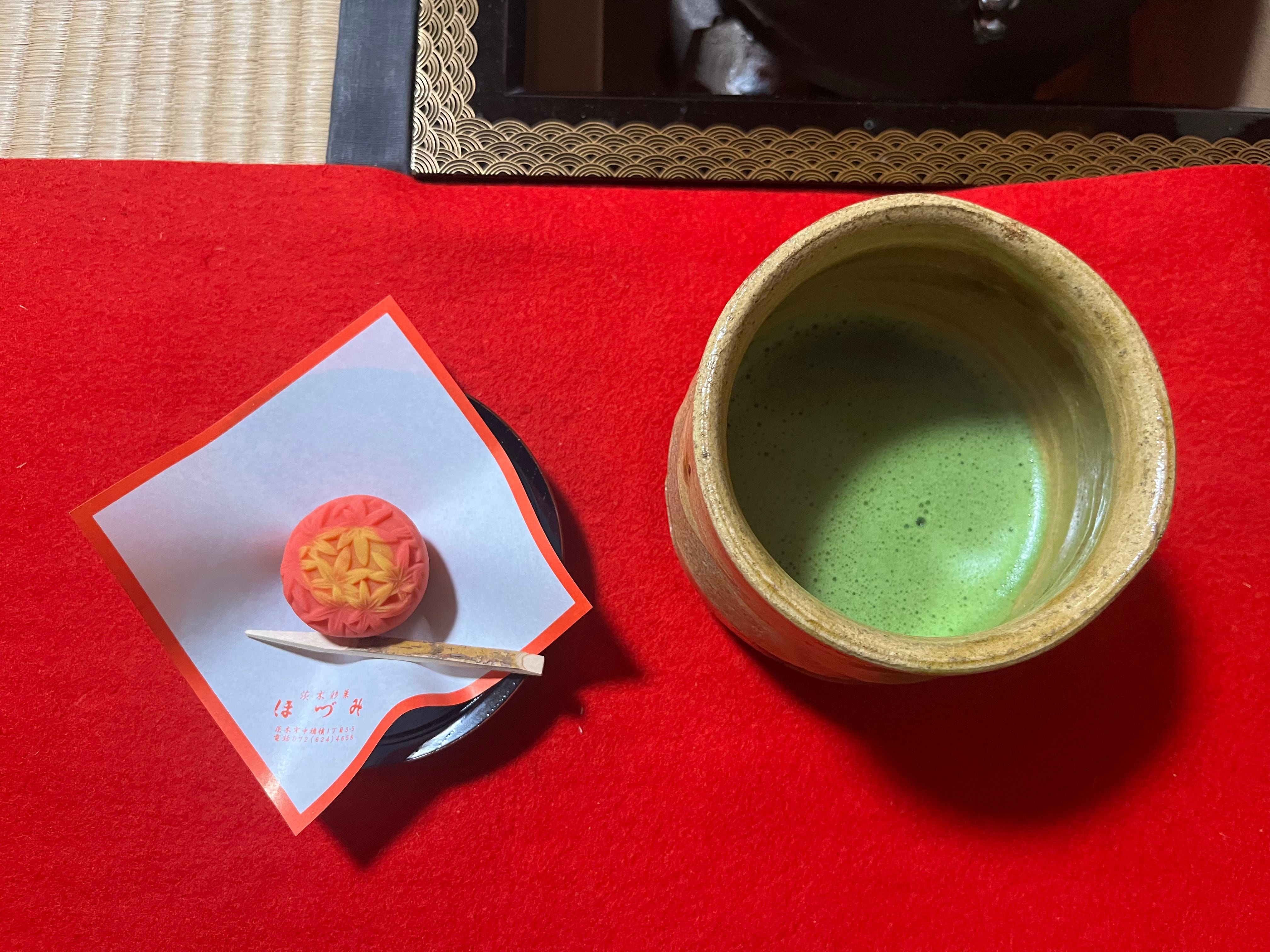
Tea came to Japan from China in the 1100s, first as medicine for monks to stay awake during meditation. Eventually, by the 1500s, tea gatherings evolved into a formal cultural practice. The most influential figure was Sen no Rikyu, who shaped the ceremony into what it is today: quiet, minimal, and deeply spiritual.
He believed that beauty exists in simplicity.
A rough tea bowl, a single seasonal flower, a small room with soft light—these weren’t accidents. They were choices meant to help people breathe, notice, and let go.
So even though the ceremony looks very delicate and refined today, its origins are surprisingly humble and grounded.
Why I Love Tea Ceremony
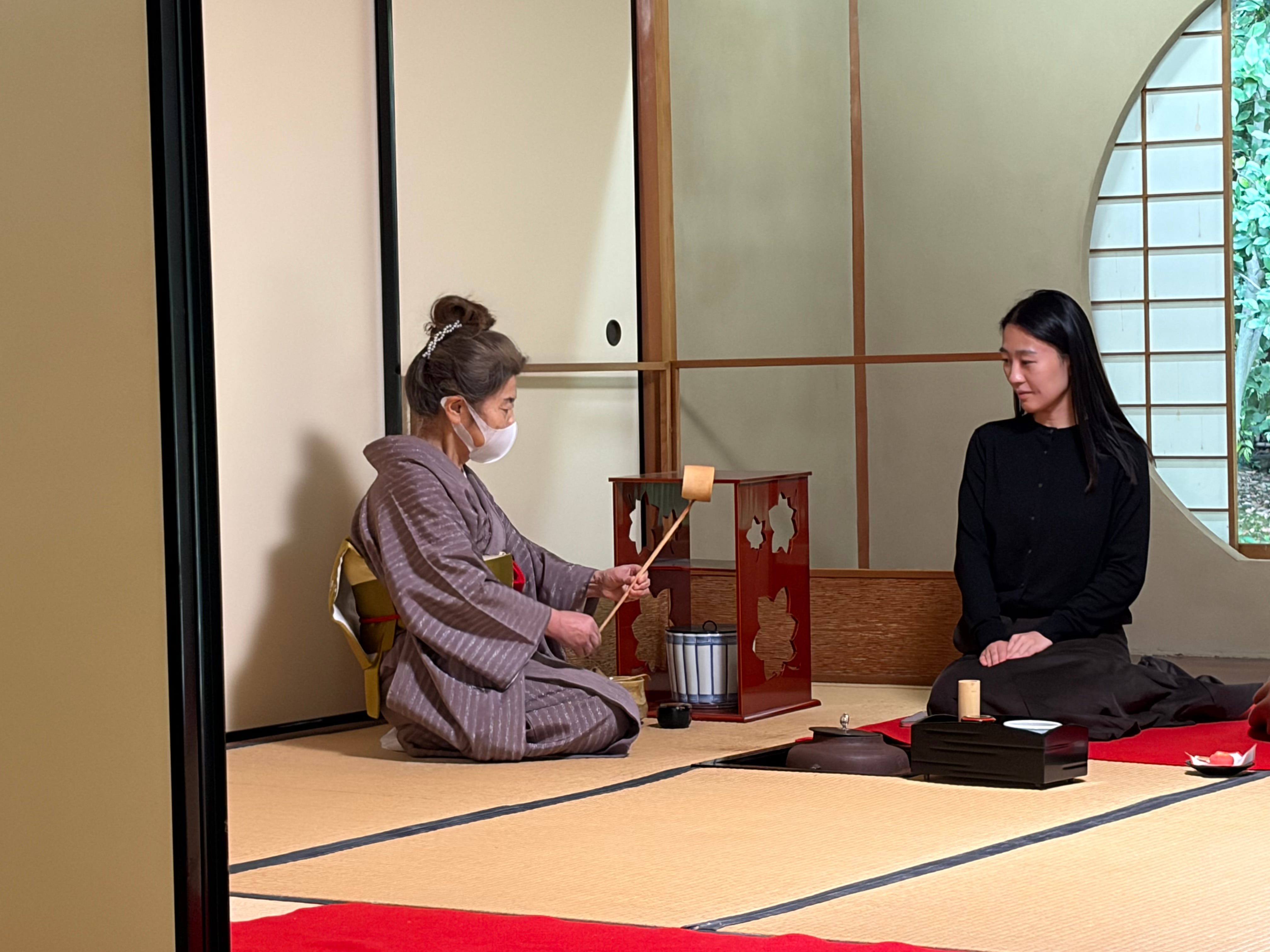
As someone who grew up in Osaka and has lived in big cities most of my life, I’m very used to noise. But the tea ceremony is quiet in a way that feels different from “silence.”
It’s a quietness that puts your body back into alignment.
Like washing your mind.
Like you’ve removed five layers of unnecessary thoughts without trying.
When I take foreign friends, they always say:
“I didn’t know silence could be this comfortable.”
That’s the feeling I want more people to experience—especially travelers who may only have a few days in Japan but want something meaningful.
Have you ever tried a Japanese tea ceremony, or is it still on your wishlist? I’d love to hear what it was like for you—or what you imagine it might be like.
What You Can Expect as a First-Timer
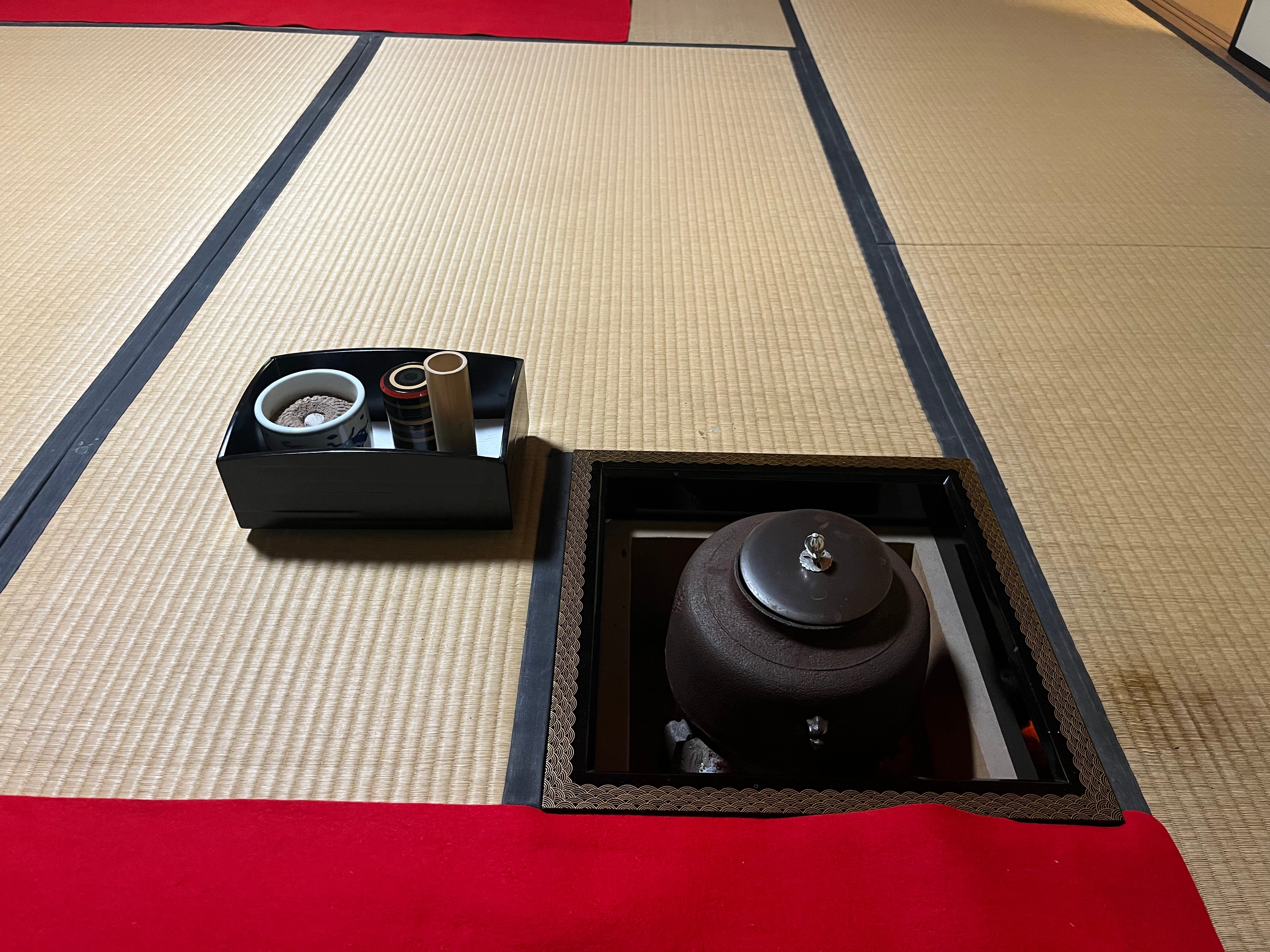
Here’s the beginner-friendly overview (don’t worry—this is not the step-by-step part yet):
You remove your shoes and enter quietly.
You sit on tatami (cross-legged is okay).
You admire the scroll and seasonal flower arrangement.
You eat a small sweet.
You watch the host prepare matcha very slowly.
You drink a bowl of tea, turning it politely before sipping.
It sounds simple, but it’s surprisingly moving.
Like stepping into a softer part of Japan you didn’t know existed.
What’s Coming Next
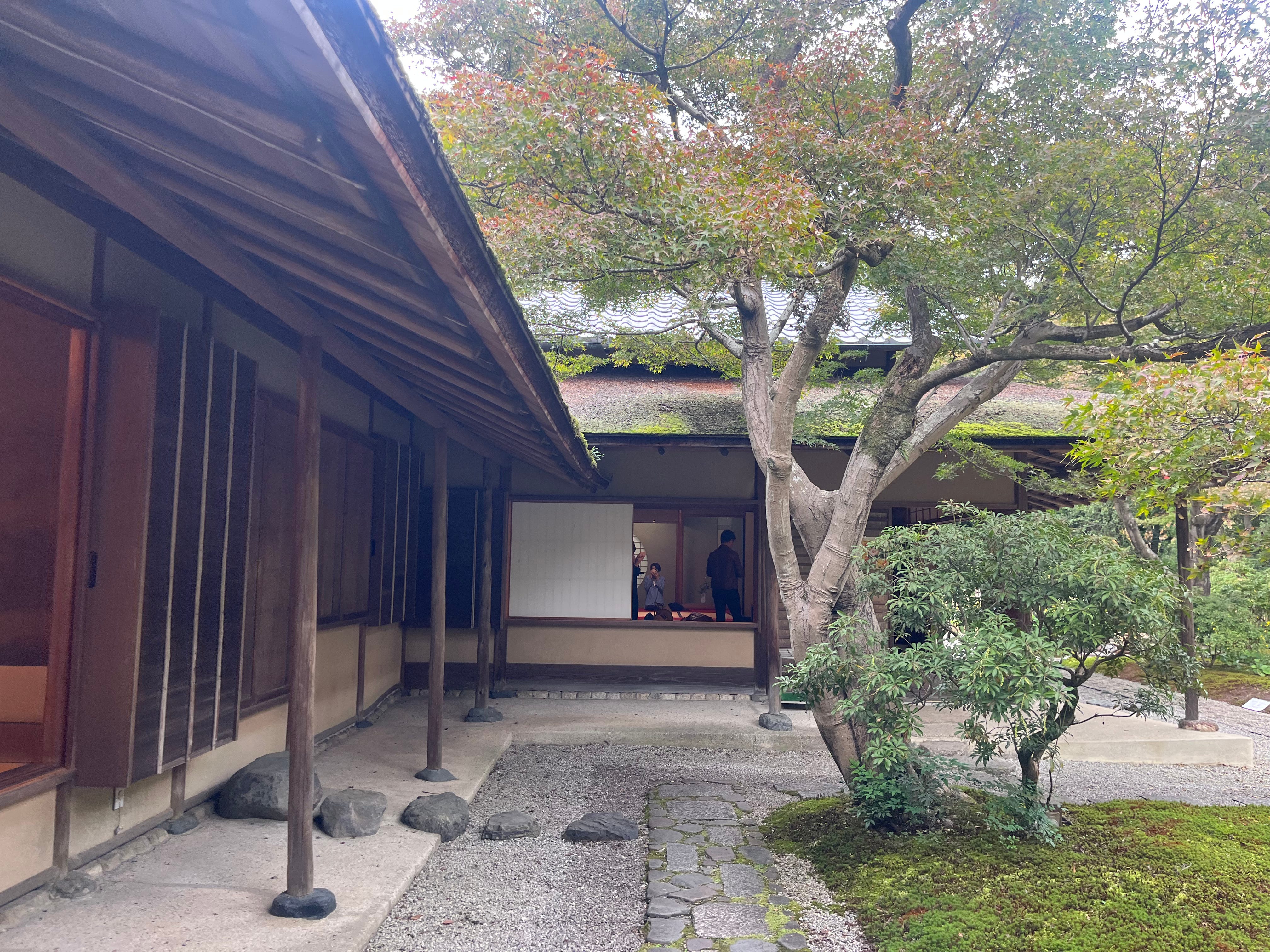
This article is Part 1, covering the “what” and “why.”
In the next article (will be posted tomorrow!), I’ll go into the actual steps of how tea ceremony works, so that even complete beginners can understand:
How to sit
How to receive the bowl
How to turn it
How to eat the sweet
What NOT to do
Secret tips your host won’t tell you
And a simple “mini-tea-ceremony” you can try at home
It is a paid post from a certain point but I’m doing a big campaign for paid subscribers soon: I’ll write your personal kanji for 2026, with a short explanation in Japanese of the meaning behind it, so now is a good time to become a paid subscriber!
Thank you so very much with speaking to the beauty and simplicity of the Japanese tea ceremony, Dr. Miki! I learned about it when I watched The Karate Kid 2, based in Okinawa, Japan. Daniel aka Ralph Macchio and Kumiko aka Tamlyn Tomita experienced a wonderful Japanese Tea ceremony. I personally love the undying spirituality and sweetness of heart that is inherent of being there in Japan. Oh how I wish I could travel there, Dr. Miki!
Thank you for this beautiful description of tea ceremony. I hope to experience this elegant ritual when we visit next year 🍵