

Recently, I had the chance to talk with Kana — actually, my first real face-to-face conversation online after connecting on Substack (thank you, Substack!).
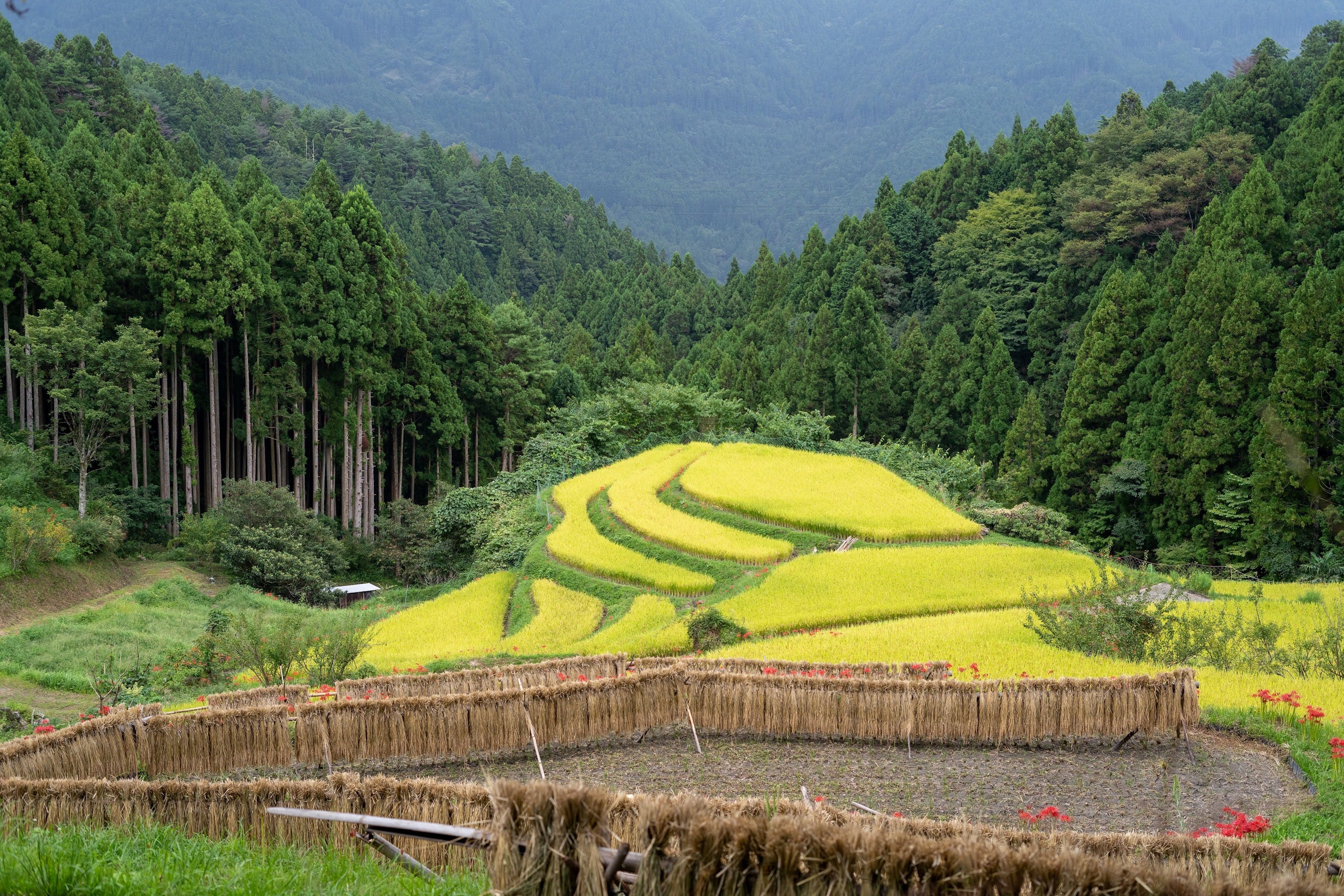
I had followed her writing for a while and knew she was living in a rural area surrounded by mountains and forests. She writes about making Awa Bancha tea in Kamikatsu, and Kancha tea in a neighbouring village.
But during our conversation, I realized she’s part of something even more special.
She helps run INOW, an impact-driven social travel program based in Zero Waste Kamikatsu, Japan’s first zero-waste village.
And I couldn’t help but share.
This Might Be For You If…
You’re traveling to Japan (or dreaming about it)
You love Japanese countryside landscapes
You’re interested in sustainability or climate issues
Zero Waste Kamikatsu — 45 Categories?!
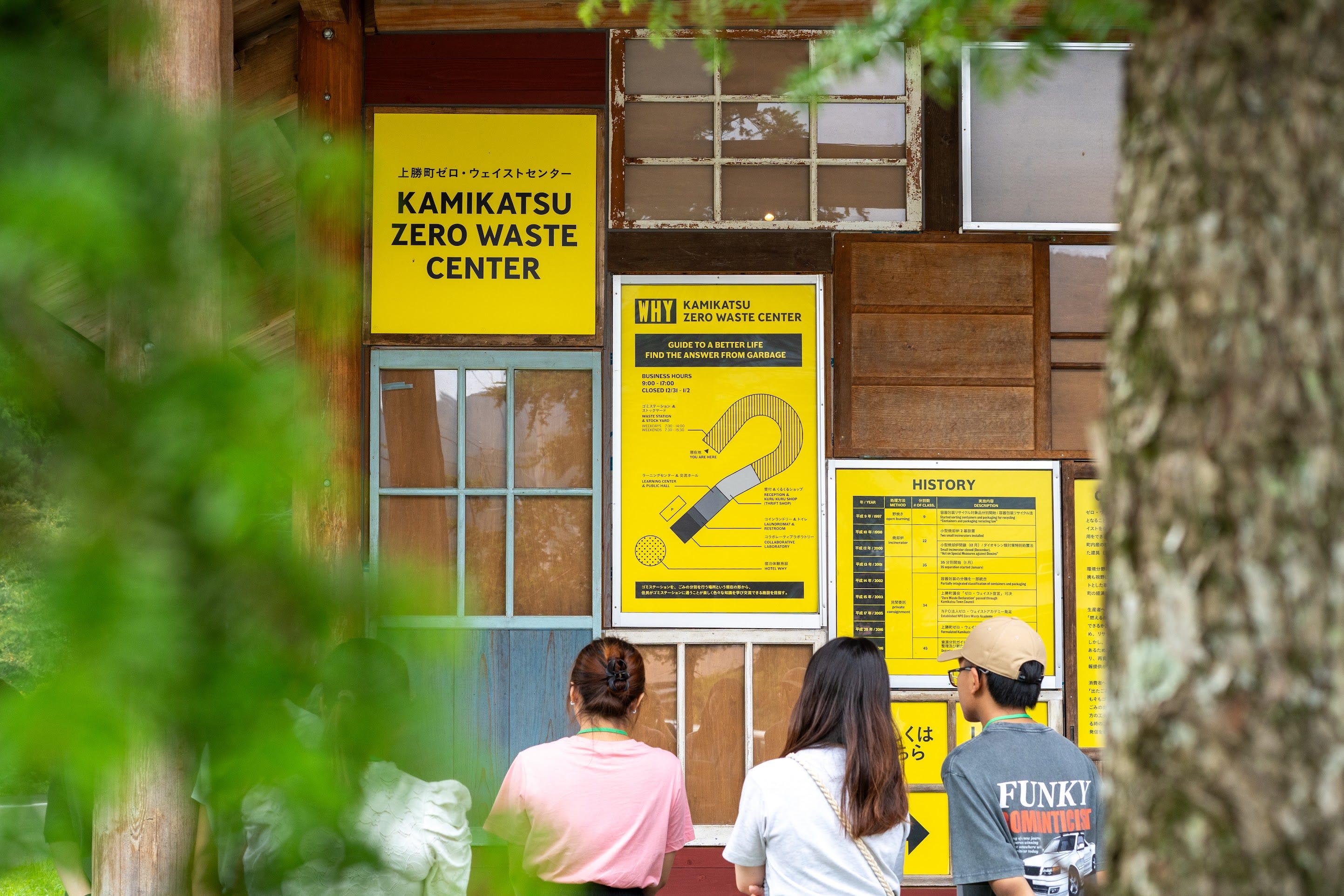
If you search “Zero Waste Kamikatsu,” you’ll quickly see that this small mountain village in Tokushima declared itself Japan’s first zero-waste town over 20 years ago.
But here’s the part that shocked me.
Residents sort their waste into 45 different categories.
Forty-five.
When I first saw this, I honestly couldn’t believe it. You can actually watch videos of the Zero Waste Center and see how detailed the sorting system is — it’s almost overwhelming at first glance. I was so surprised.
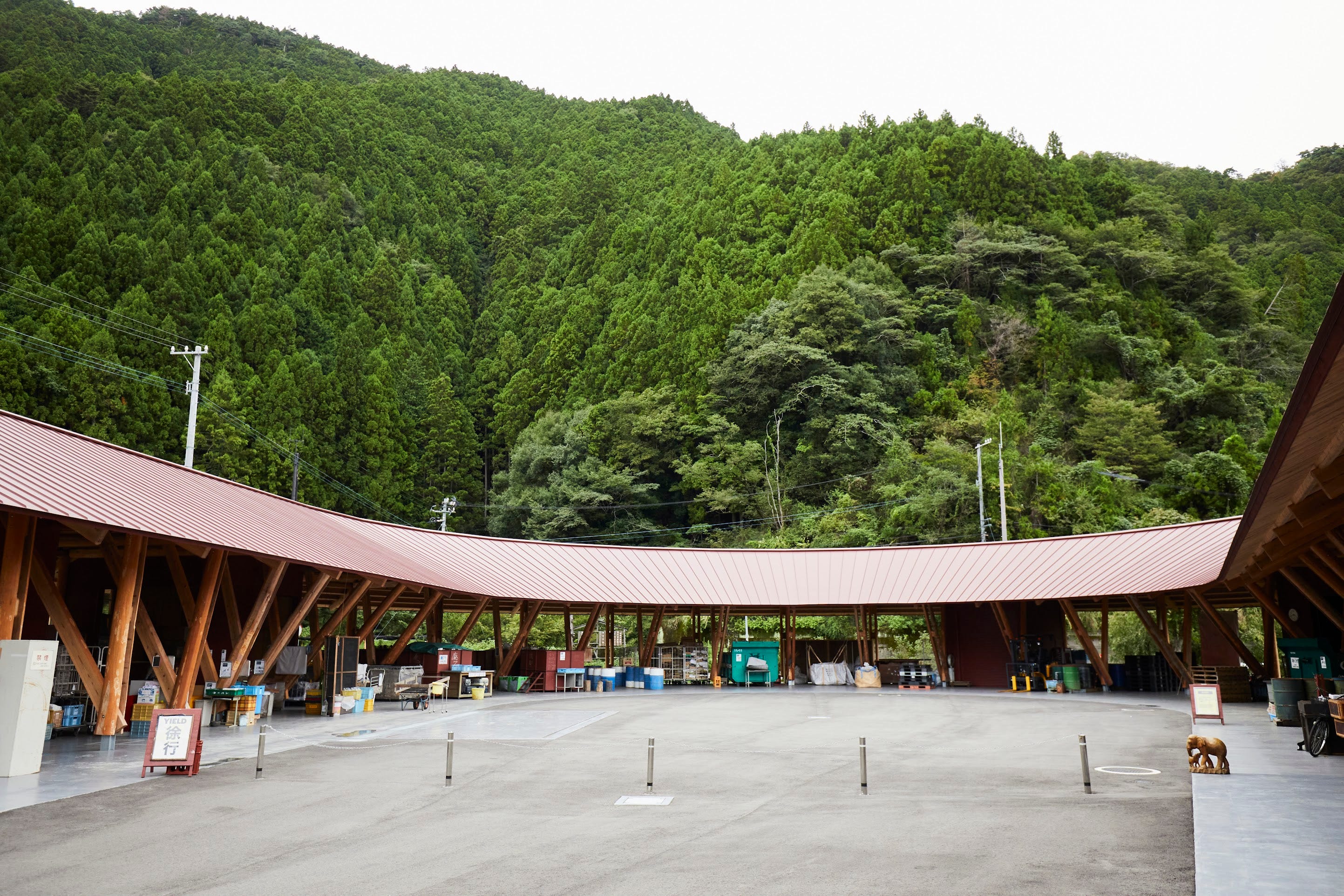
The main place is called the WHY Zero Waste Center, where villagers bring their own trash, wash it, sort it carefully, and take responsibility for it.
Zero waste here doesn’t just mean “good recycling.”
It means aiming to divert 100% of waste from incineration and landfill.
But what’s even more interesting is that for residents, this isn’t a tourist attraction. It’s normal life.
Zero Waste Kamikatsu is deeply connected to the countryside resourcefulness, strong community ties, respect for shared land and water, cultural traditions and intergenerational cooperation.
It’s not a performance. It’s a lifestyle.
How INOW Started in Kamikatsu
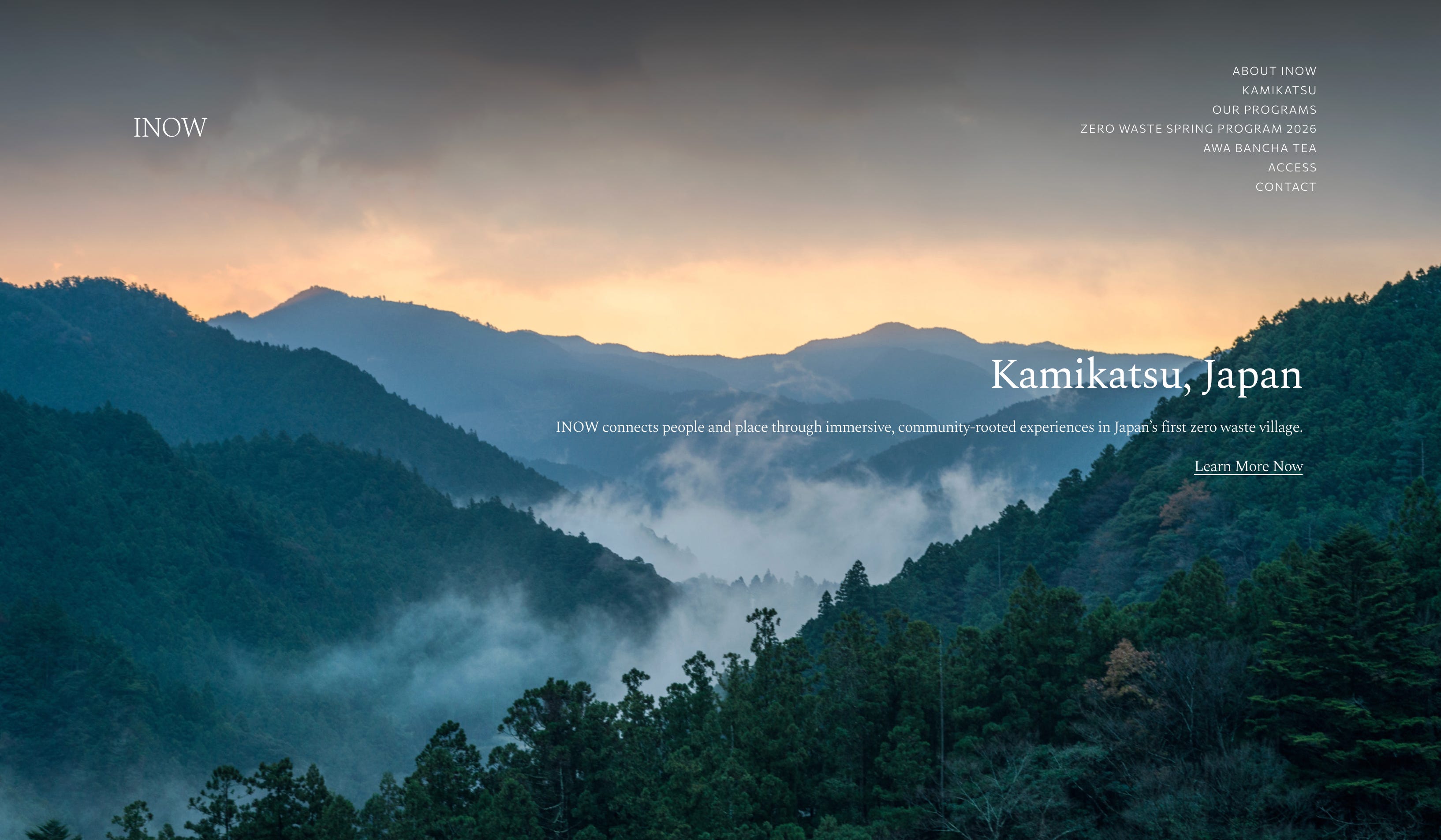
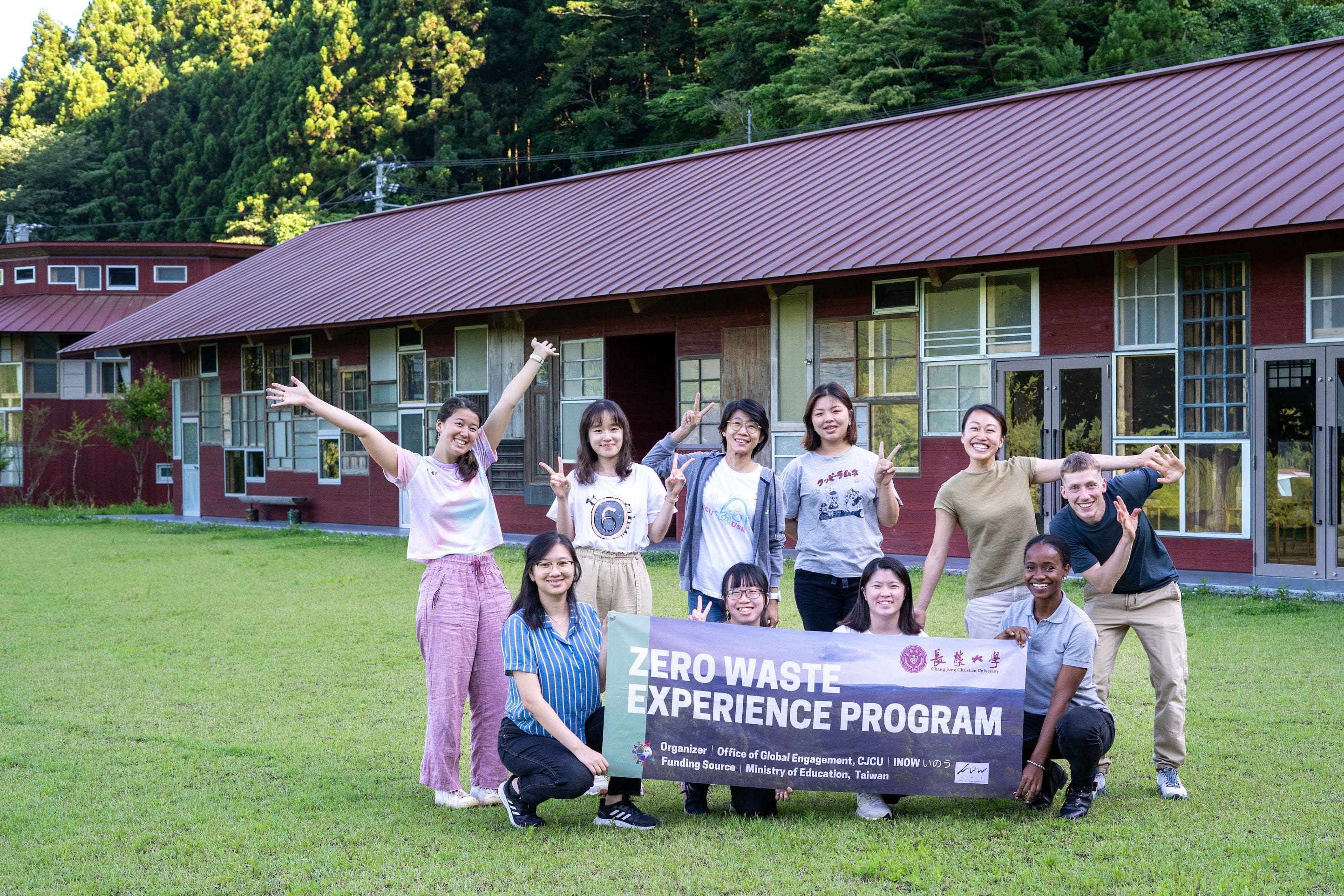
Kana’s program, INOW, started in 2020.
INOW was created as an educational social travel program — a bridge between Kamikatsu and the wider world.
Instead of just observing recycling systems, participants:
Spend time with locals
Learn about rural life beyond waste
Reflect on consumption and climate
Experience community-based learning
See how sustainability connects to culture
It’s not eco-tourism in a superficial way. It’s slower. More relational.
Forests, Community, and Health
You know how much I love talking about forests.

When I wrote about shinrin-yoku, I shared research showing that simply looking at forests can lower stress hormones by over 13%, and walking in forests can reduce cortisol even more. It also activates the parasympathetic nervous system — our “rest and digest” mode.
Kamikatsu is surrounded by mountains and forests.
But what makes it special is that nature isn’t separate from daily life.
People:
Clean shared forest water sources
Farm together
Plant flowers along the roads
Gather across generations
And something I’ve personally noticed in rural Japan — the elderly often seem more lively, engaged, and expressive than in urban settings. There’s a kind of spark in them. They are active participants in their community, not isolated.
That kind of social engagement is incredibly important for long-term health and emotional well-being.
Kana’s Story — From City to Village
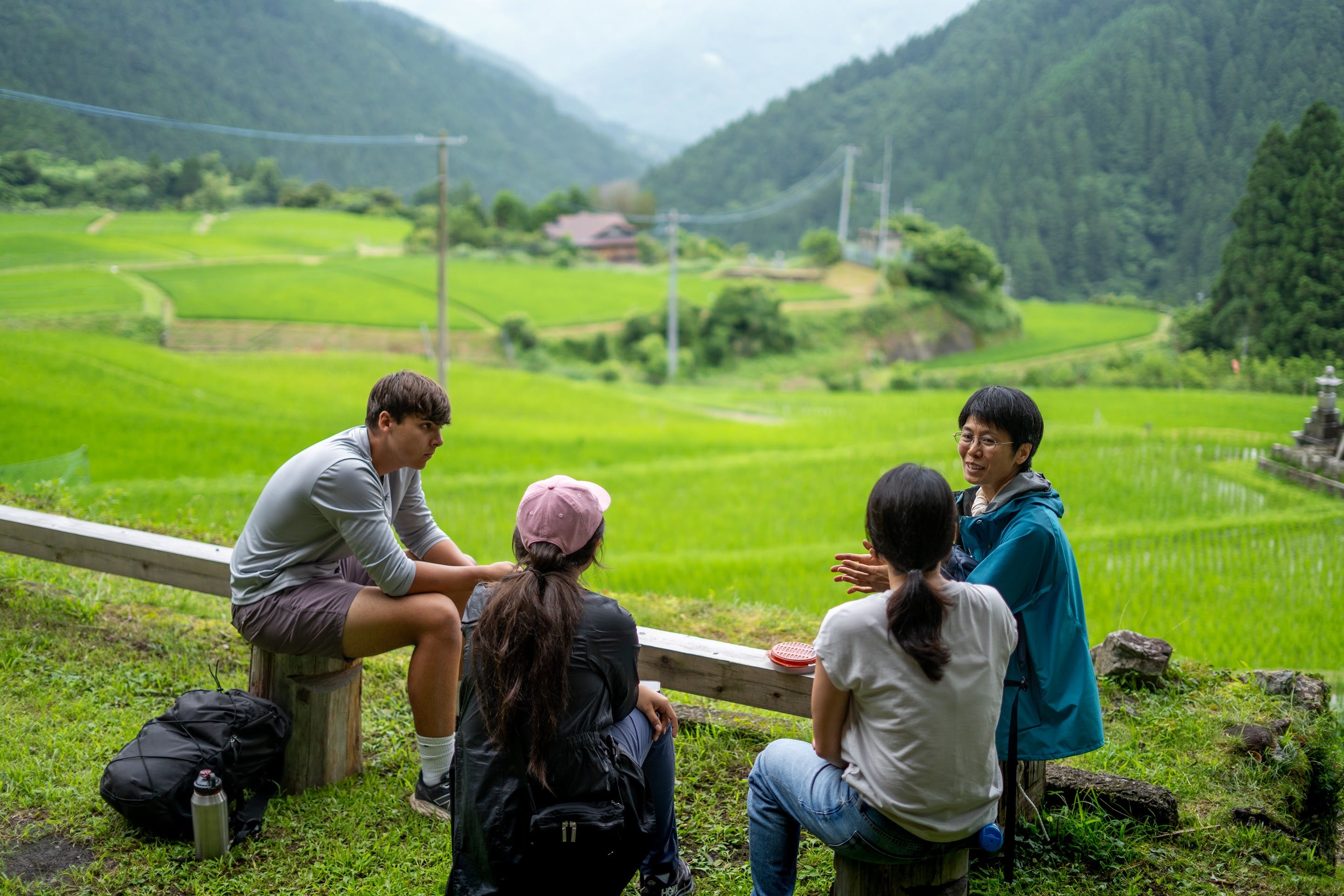
Kana originally came to Kamikatsu curious about Japan’s first zero-waste village.
She planned to stay a couple of months.
She stayed for years.
What struck me most when we talked wasn’t just sustainability — it was friendship.
She started a business with her partner.
In cities, it’s easy to float anonymously. In villages, relationships are unavoidable. You interact with people in their 60s, 70s, 80s. You see them at community cleanups. You share vegetables. You talk even when your worldviews differ.
Kana wrote that being in Kamikatsu taught her that belonging requires sacrifice, negotiation, and openness to being changed by others.
I found that incredibly honest.
And honestly, I think it’s amazing.
You can read more about her story here.

I haven’t visited Kamikatsu yet.
But after speaking with Kana, I really want to.
If you’re already interested in nature in Japan, or if reading about shinrin-yoku made you want to breathe forest air, maybe Zero Waste Kamikatsu will speak to you too.
And if any of you ever join the INOW program, please tell me how it was. I genuinely want to know.
You can learn more about INOW here:
https://inowkamikatsu.com/about/
Sometimes the most meaningful travel experiences aren’t about seeing more.
They’re about belonging somewhere, even briefly.
"Sometimes the most meaningful travel experiences aren’t about seeing more. They’re about belonging somewhere, even briefly." Your words hit home (and heart!) directly. Thank you for sharing Kana's story and the INOW program in Kamikatsu. Truly inspiring.
Thank you so, so much for sharing Kana Chan's story and this truely special program! Of course, I've come across Chana's work at Substack but I didn't know the extent of it, so intersting!