

I was born and raised in Japan, but my first formal experience with Zen meditation took place at a temple in Hiroshima when I was an elementary school kid. Sitting quietly at dawn, surrounded by incense and the rhythmic sound of wooden clappers, I realized that Zen in Japan isn’t simply about calm or awareness — it’s a way of living.
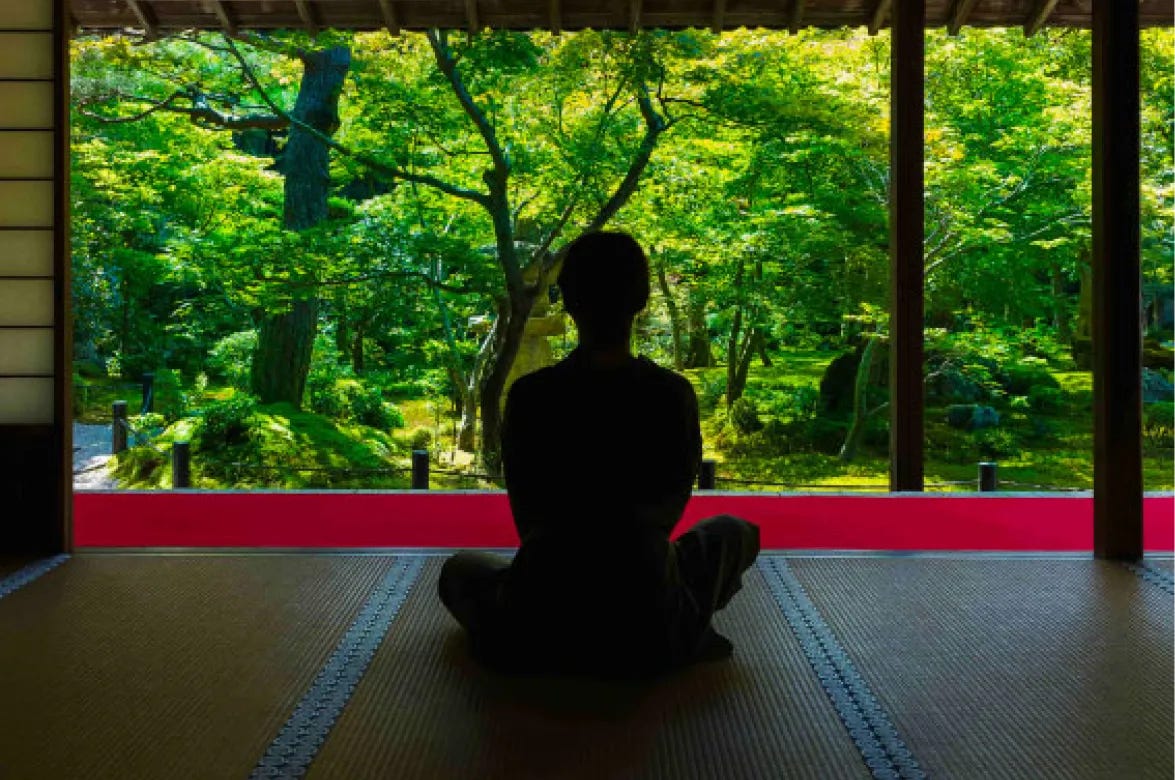
How Zen Meditation Is Misunderstood Outside Japan
Outside Japan, Zen is often seen as a form of mindfulness, stress relief, or self-awareness. In many Western countries, it’s practiced to boost focus, reduce anxiety, or improve productivity — sometimes even marketed as a wellness trend.
But in Japan, Zen isn’t about self-improvement or self-transcendence. It’s more natural than that. Zen is about returning to a quiet, balanced way of living — doing things with presence but without striving. You can see it in how monks sweep temple grounds at sunrise, how tea masters move in calm rhythm, or how architects design spaces that invite stillness rather than demand attention.
For Japanese practitioners, Zen isn’t something you do for an hour a day. It’s something you become through repetition, simplicity, and restraint.
The Science-Backed Health Benefits of Zen Meditation
As a medical doctor, I’ve always been fascinated by how Zen meditation — a practice that began centuries ago — is now supported by modern neuroscience and medical research. Scientific studies have shown that Zen not only enhances mental well-being but also supports physical health and longevity.
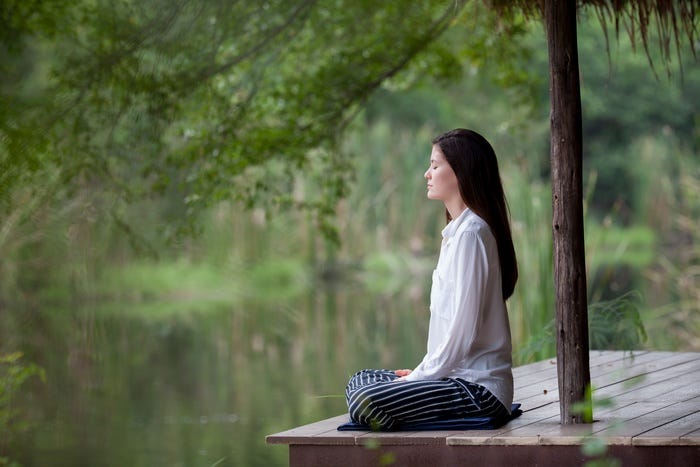
Here are four evidence-based health benefits of Zen meditation, backed by peer-reviewed studies:
1. Reduces Stress and Anxiety Naturally
Zen meditation activates the body’s parasympathetic nervous system — the “rest and relax” mode — which slows your heart rate and eases muscle tension. Brain imaging studies show it quiets the amygdala, the area linked to fear and anxiety, helping you stay calm even under stress.
(Source: Meditation Programs for Psychological Stress and Well-being, PMC)
2. Improves Focus, Memory, and Cognitive Function
Regular Zen meditation trains your attention like a muscle. Research shows it strengthens areas of the brain involved in focus, memory, and emotional regulation. Over time, practitioners report better concentration, sharper decision-making, and less mental fatigue.
(Source: Neurobiological Changes Induced by Mindfulness and Meditation, PMC)
3. Strengthens the Immune System and Lowers Inflammation
Meditation helps regulate stress hormones and reduce inflammation — a key factor behind chronic diseases. Studies show Zen practitioners often have stronger immune responses and more balanced blood pressure, making their bodies more resilient to illness.
(Source: Mindfulness Meditation and the Immune System: A Systematic Review of Randomized Controlled Trials, PMC)
4. Slows Aging and Promotes Longevity
Long-term meditators show signs of slower biological aging. Research indicates meditation may increase telomerase activity — an enzyme that protects DNA and maintains cellular health. Zen may not only help you feel younger but also help your body age more gracefully.
(Source: Meditation and Its Mental and Physical Health Benefits in 2023, PMC)
Zen in Japan vs. the West: A Cultural Perspective
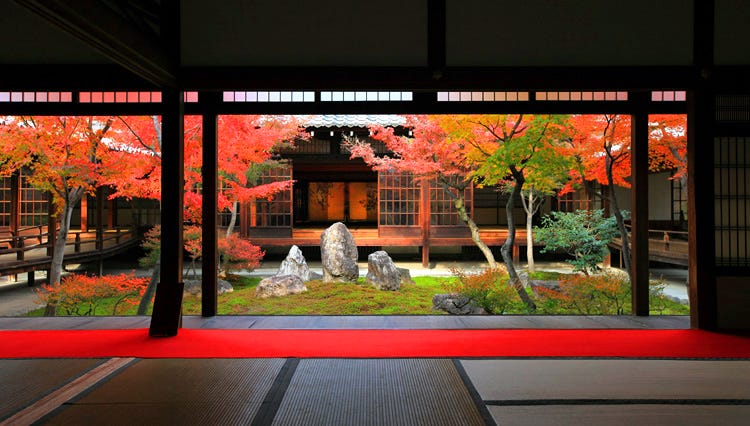
For many visitors, Zen is seen as a way to “find peace.” But in Japan, peace isn’t the goal — it’s the result of disciplined living.
Japanese Zen emphasizes mindfulness through humble daily actions: bowing before entering a room, eating slowly, or sweeping without distraction. It’s not a weekend retreat or a mental detox — it’s a lifelong practice of emptiness (無 / mu) and balance.
Here’s the core difference:
In the West: Zen meditation is often used to enhance mental clarity, happiness, or performance.
In Japan: Zen is a way to dissolve the ego — to act without attachment, effort, or reward.
Ironically, it’s through this quiet surrender that true inner peace, balance, and physical health emerge.
A Path Toward Balance and Longevity
The connection between Zen and longevity has drawn global attention. Studies suggest that mindfulness-based practices inspired by Zen may support heart health, regulate metabolism, and slow cellular aging.
Japan’s long life expectancy may not come from diet alone — it may also be rooted in this deeper philosophy of living simply, humbly, and in tune with impermanence.
Coming Next: Where to Experience Authentic Zen in Japan
In my next post for paid subscribers, I’ll introduce authentic Zen experiences across Japan, including:
Beginner-friendly temples for first-time meditators
Hidden Zen retreats guided by real monks
Temple stays that blend zazen (seated meditation) with daily rituals
If you’ve ever wanted to experience true Zen in Japan — beyond the tourist version — now’s the perfect time to become a paid subscriber.
I'm so excited to read the paid subscriber post. Reading your reflections on Zen, as understood in Japan and how it has been embraced in west, was illuminating. I admit to having based my (limited) personal understanding of it on the more western interpretations and points of emphasis. I was most struck by your phrase "a way of doing things with presence, but not striving"... will try and keep this front of mind and see where I can start to re-frame how I make my way through each day.
An interesting piece, thank you very much!
I used to go and meditate at a Zen temple with my Japanese mother-in-law, near Okayama. She always seemed to be perfectly (and enviably!) still - but then afterwards she would confess that she had spent the time planning her shopping list!
To be fair to western practitioners of Zen, while there certainly are the more commercialised and instrumentalised versions that you allude to, there are still plenty of people in the West practicing for the reasons that you list under 'In Japan.'