

Welcome back.
In today’s paid post, I want to go deeper — beyond the buildings and gardens of Kōseiji — and talk about the people and the living Zen I encountered there.
This article is based on my direct conversation with Miyazaki-san, the vice priest of Kōseiji, and what he shared with me about his life, his doubts, and his understanding of Zen today.
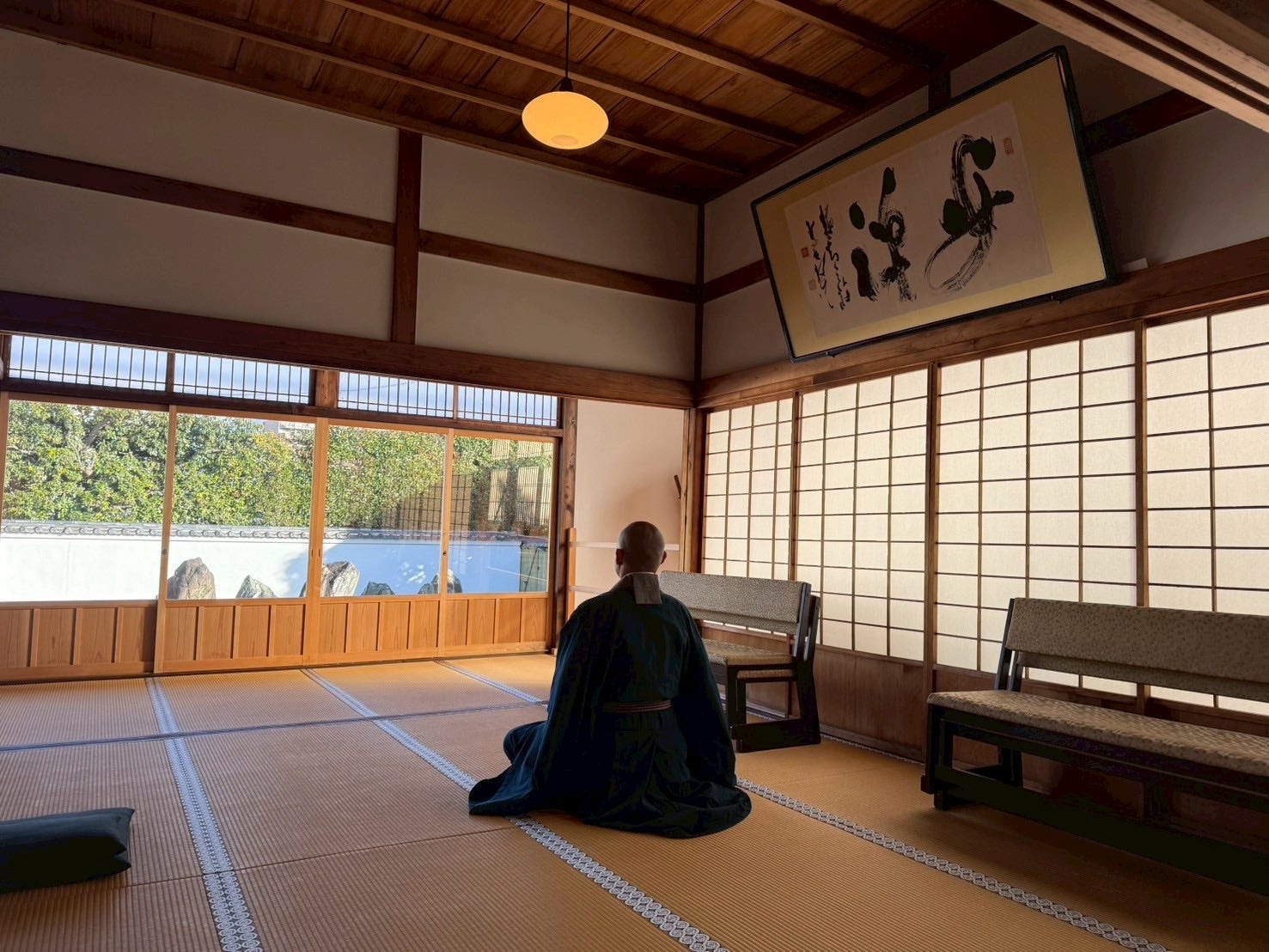
In This Article, You Can Read:
Why he became a monk
Why Zen felt difficult for him at the beginning
What helped Zen become more natural and accessible over time
What Zen means to him now, in his daily life
Why He Became a Monk
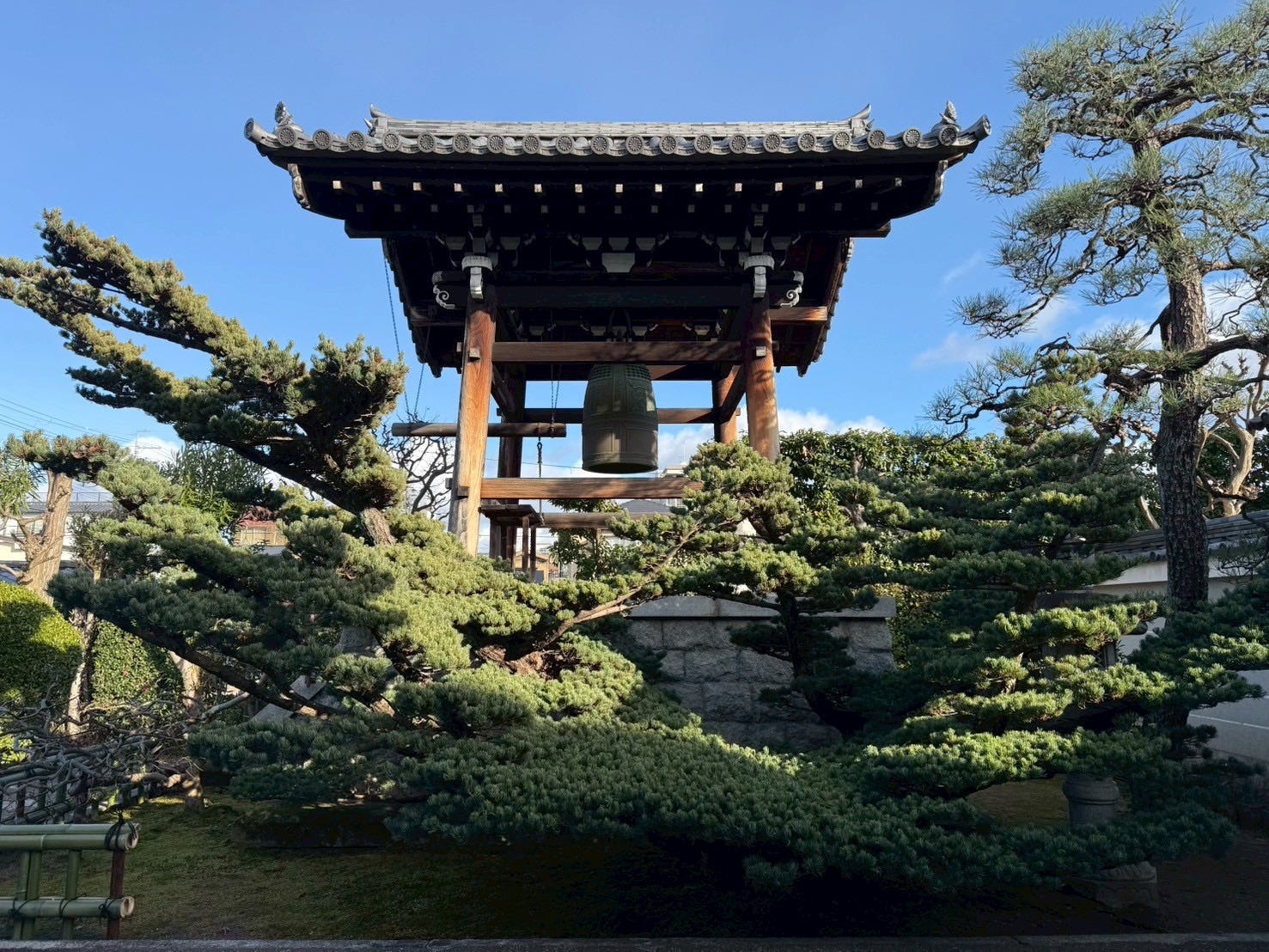
Miyazaki-san decided to become a monk during his third year of high school.
His mother was born into a temple family, but the decision was his own. After entering university, he formally joined the Rinzai Zen tradition, where he underwent more than seven years of strict training.
During that time, his days were filled with:
Long hours of seated meditation
Cleaning in silence
Chanting sutras
Koan practice
As he spoke, I realized how far this world is from how Zen is often presented outside Japan.
“Do You Like Zen?” — His Honest Answer
I asked him directly:
“Do you like Zen?”
He smiled and said no.
At the beginning, he felt difficult sitting for long periods. His legs hurt. He was sleepy sometimes. His body wanted to escape.
