

Happy New Year!
May your 2026 be a good one.
Before we begin, thank you so much to everyone who subscribed last year. I’m truly happy to see this community growing, and I hope this newsletter continues to be something you enjoy opening.
Recently, when I shared a post about Hatsumōde (初詣), Japan’s first shrine visit of the year, I received a very common question:
“What yen should I put in when I pray in Japan?”
This is a great question — not only for January, but any time you visit a shrine or temple in Japan.
What This Post Covers
Free section:
What osaisen is
Where the custom comes from
Which coins are generally appropriate
Paid section (from midway):
Lucky and unlucky amounts (with reasons)
Differences between shrine and temple offerings
Proper etiquette most visitors don’t know
If you’re planning a trip to Japan, the paid section will be especially useful!
What Is お賽銭 (Osaisen)?
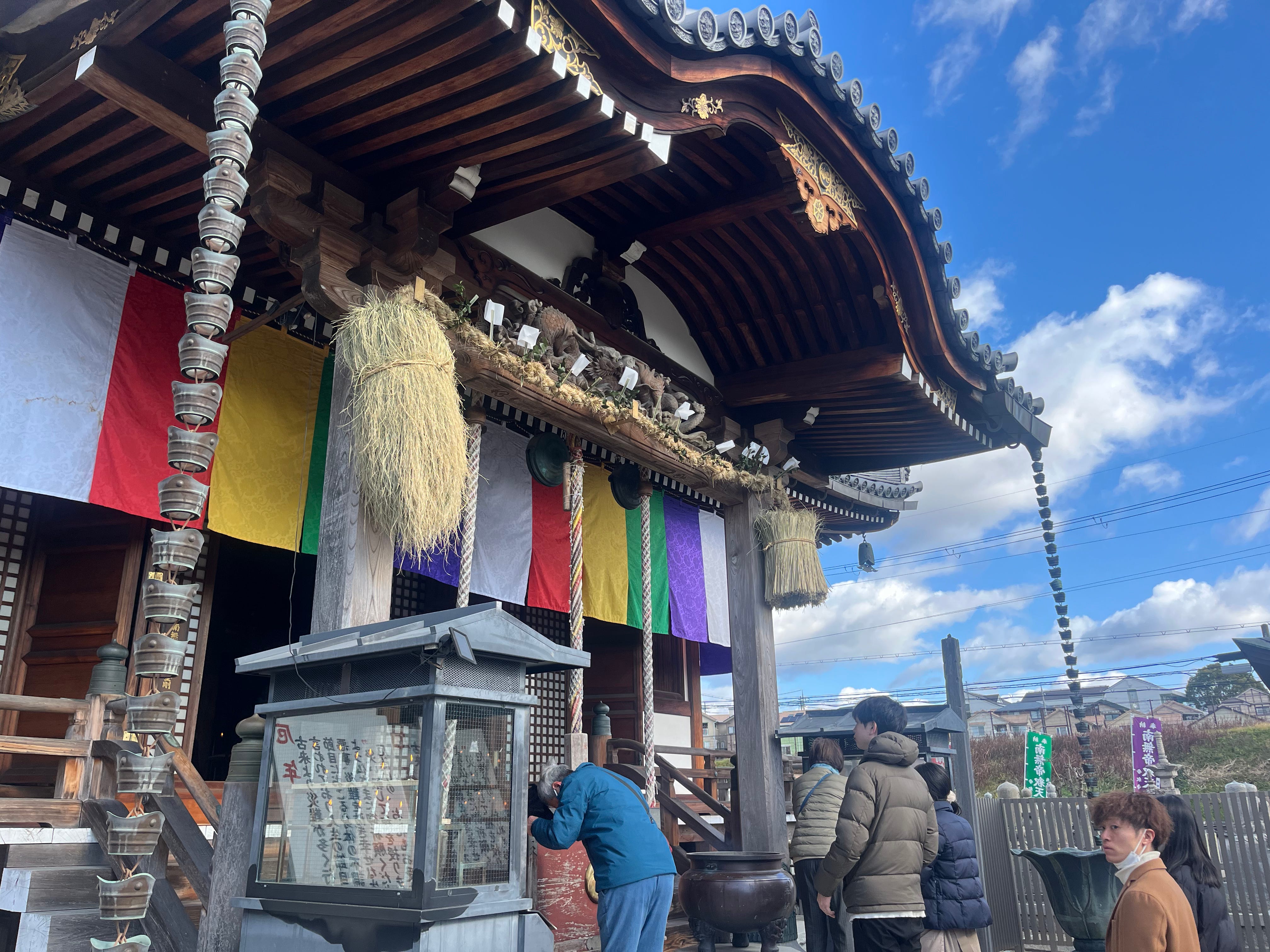
Osaisen is the money offered when you pray at a shrine or temple.
Many people think it’s money to “make a wish,” but in Japan, it’s closer to:
A thank-you offering
An expression of daily gratitude
The word 「賽」 in お賽銭 means to repay blessings received.
So traditionally, osaisen is not about asking — it’s about appreciation.
The Origin of Osaisen
Originally, people did not offer money.
Instead, they offered:
Rice
Fish
Vegetables
Cloth
Among these, rice was especially important. It was considered sacred and was sometimes wrapped in white paper as おひねり.
As coins became common, money gradually replaced rice.
But whether rice or coins, the meaning has never changed.
Osaisen is an offering of gratitude.
What Yen Should You Put In?
Coins Considered Appropriate in Japan
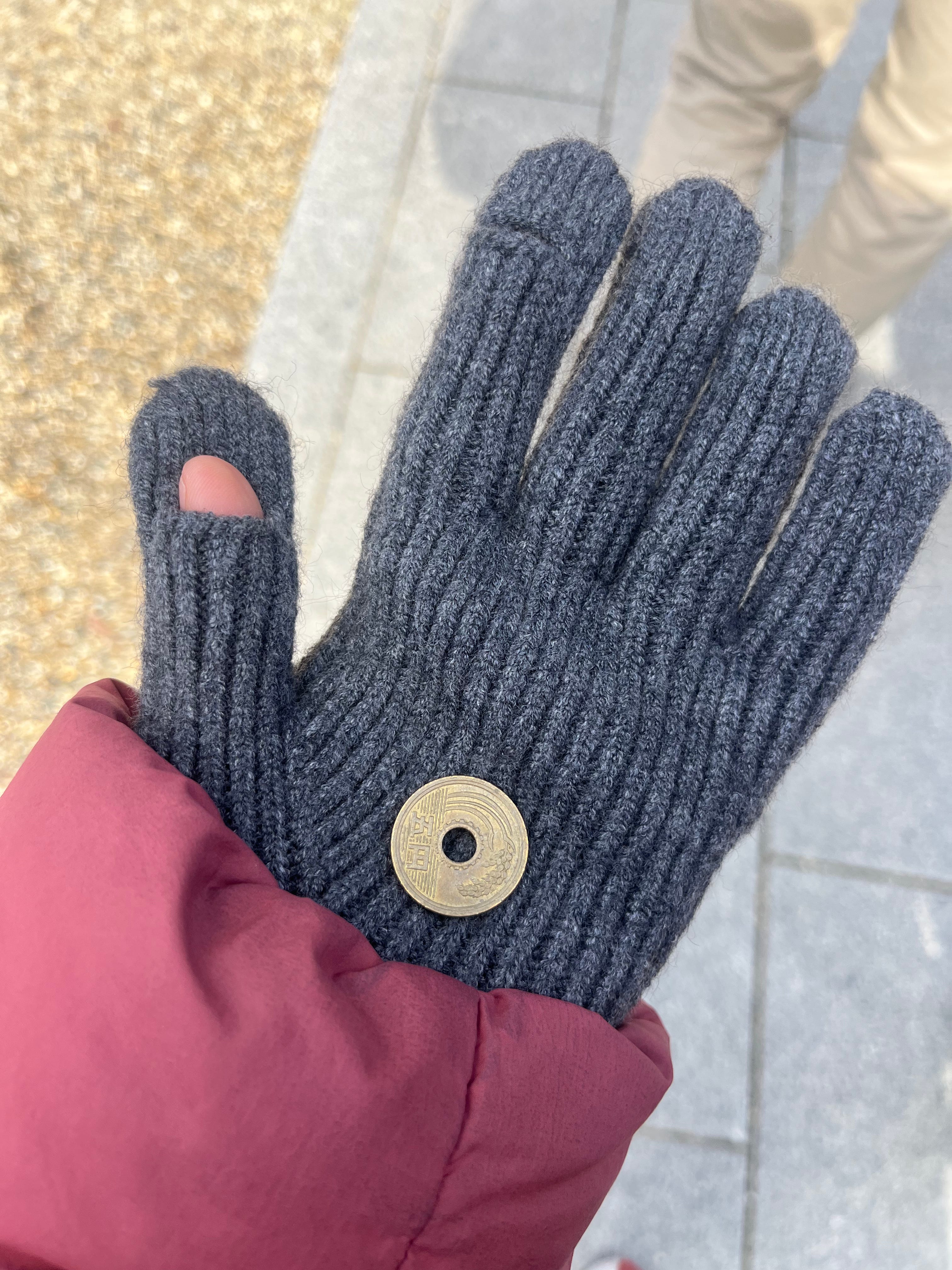
The most commonly recommended coins are:
5-yen coin (五円玉)
50-yen coin (五十円玉)
These coins are special because:
They have holes
Holes symbolize good flow and clear paths
Go-en (五円) sounds like ご縁, meaning “good connection”
Many Japanese people choose these coins when praying.
You may also see people combining them:
Multiple 5-yen coins
A mix of 5-yen and 50-yen coins
This is where things start to get more detailed.
Many Japanese people choose amounts based on 語呂合わせ (number wordplay) — matching numbers with positive meanings.
Common examples include:
5 yen – ご縁 (good connection)
11 yen – いい縁 (good relationship)
