

I’m Japanese, I live in Japan, and I am a total yakiniku lover.
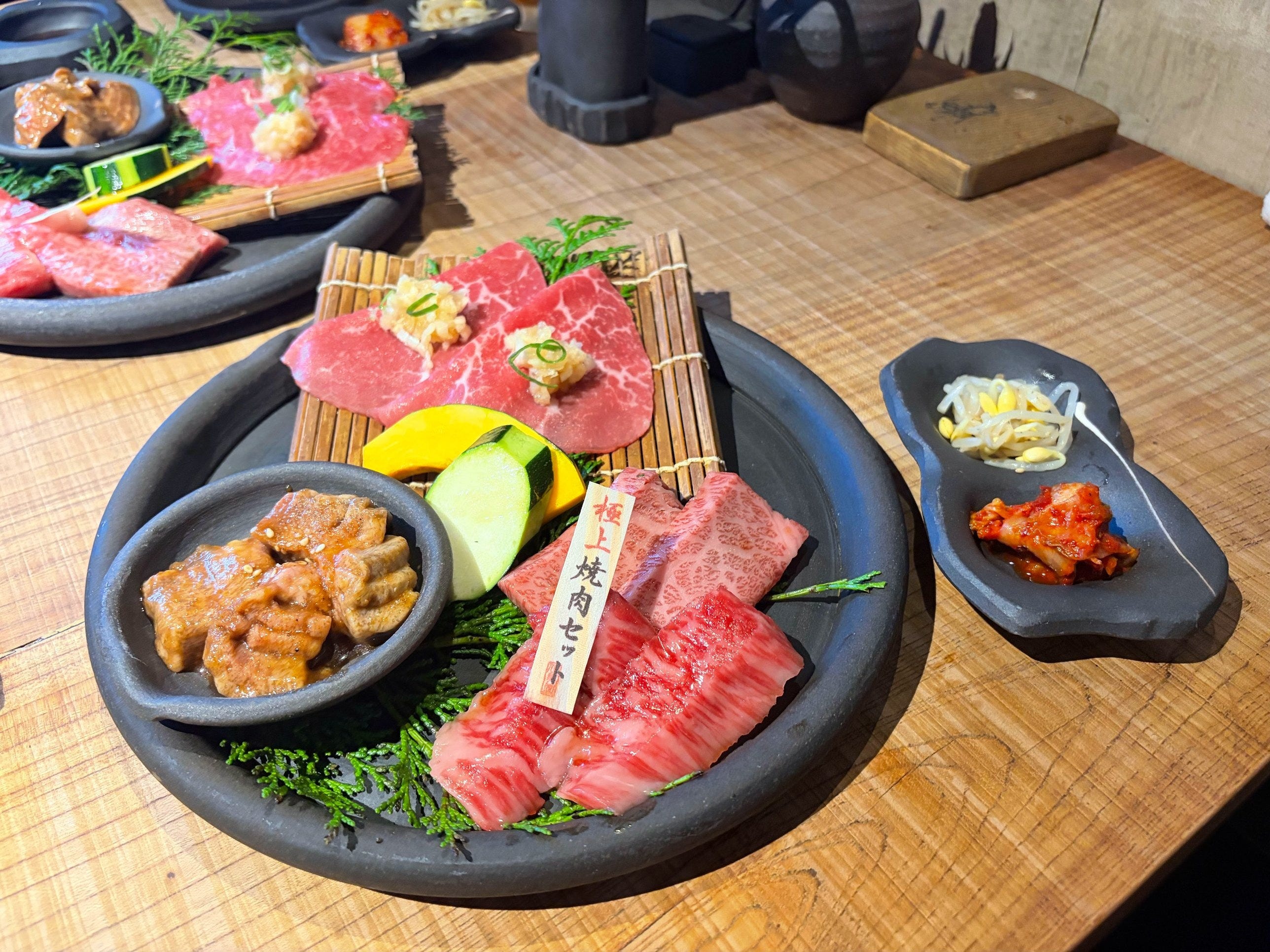
This is the ultimate yakiniku guide for foreigners. It explains every cut on a Japanese BBQ menu, where it comes from on the cow, how to order it, and what to get if you cannot decide.
Read it once, and yakiniku in Japan will finally make sense.
What’s inside:
What is yakiniku?
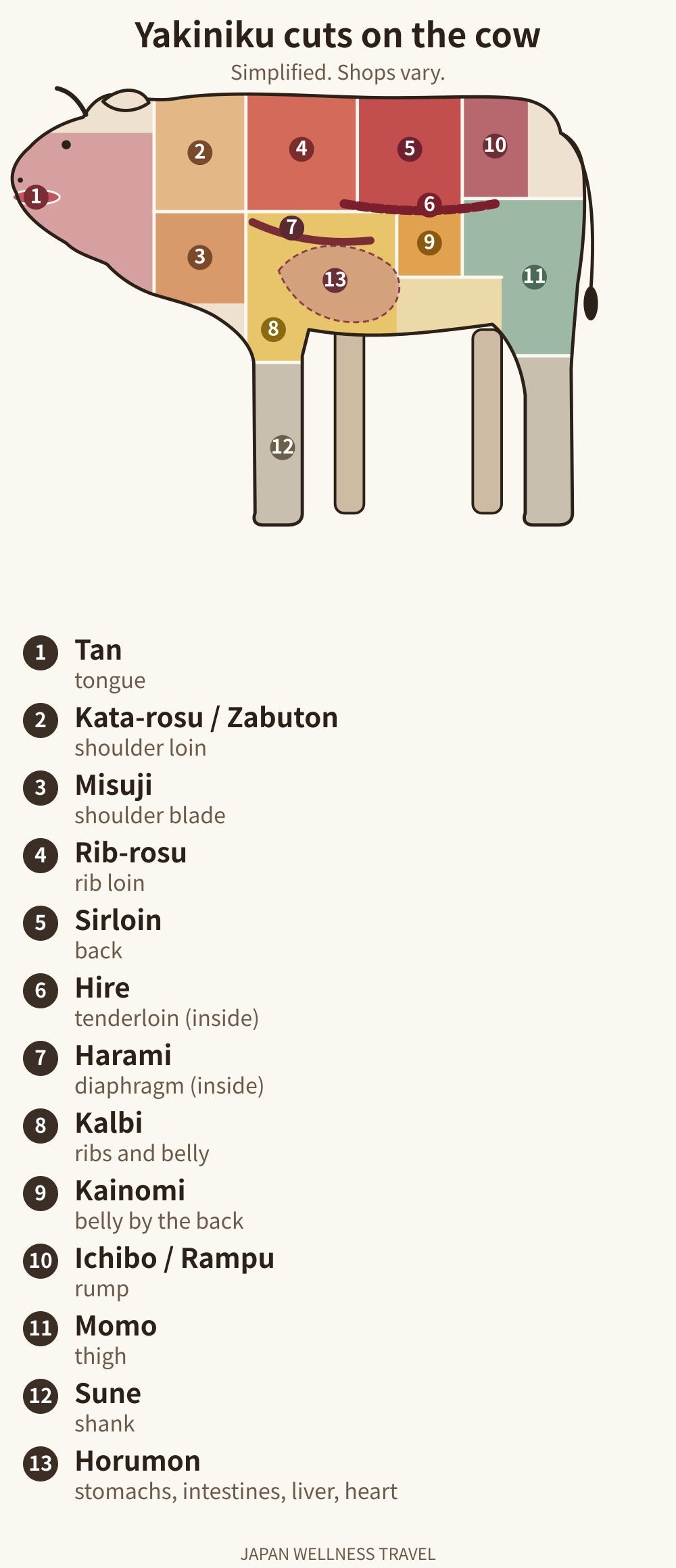
Where each cut sits on the cow
Beef cuts explained
Horumon: the offal cuts
How to read a yakiniku menu
What to order, in what order
Cannot decide? Order this
Is yakiniku healthy?
My 5 favorite yakiniku restaurants (paid)
Yakiniku FAQ
What is Yakiniku?
Yakiniku (焼肉) means “grilled meat.” You cook bite-sized pieces on a grill at your table, dip them in salt or sauce, and eat them with rice.
The style has roots in Korean food culture, but Japanese yakiniku is its own thing. Every cut has its own name, and you order each one separately. Beef is the star, and most shops also serve pork, chicken and offal.
Where each cut sits on the cow
Most yakiniku menus are built around five ideas: tan (tongue), rosu (the back), kalbi (the belly and ribs), momo (the thigh) and horumon (the organs). Remember those five and you can place almost anything on the menu.
The illustration below shows the main cuts. It is simplified, and every shop draws its lines a little differently.
Beef cuts explained
Learn these ten cuts and most menus stop being scary. Here is the cheat sheet, and the details follow.
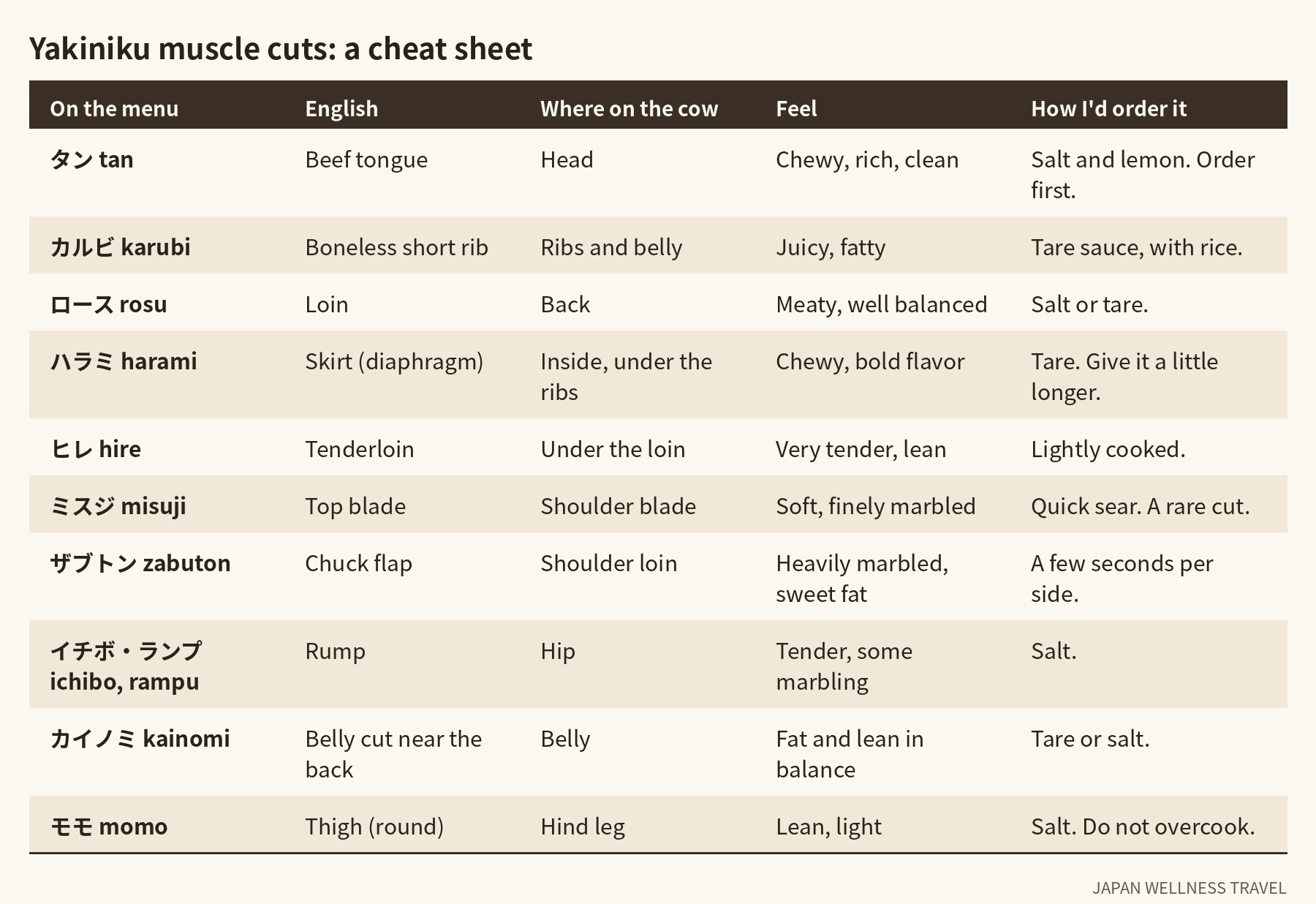
Tan (タン): beef tongue. Chewy, rich, clean. Salt and lemon. Order first.
Kalbi (カルビ): boneless short rib from the belly. Juicy and fatty. Tare sauce, with rice.
Rosu (ロース): loin from the back. Meaty and balanced. Salt or tare.
Harami (ハラミ): skirt (the diaphragm). Chewy, bold flavor. Tare, a little longer on the grill.
Hire (ヒレ): tenderloin. Very tender and lean. Lightly cooked.
Misuji (ミスジ): top blade. Soft and finely marbled. A quick sear. A rare cut.
Zabuton (ザブトン): chuck flap. Heavily marbled, sweet fat. A few seconds per side.
Ichibo and rampu (イチボ・ランプ): rump. Tender, some marbling. Salt.
Kainomi (カイノミ): belly cut near the back. Fat and lean in balance. Tare or salt.
Momo (モモ): thigh. Lean and light. Salt, and do not overcook.
Tan (タン): order this first
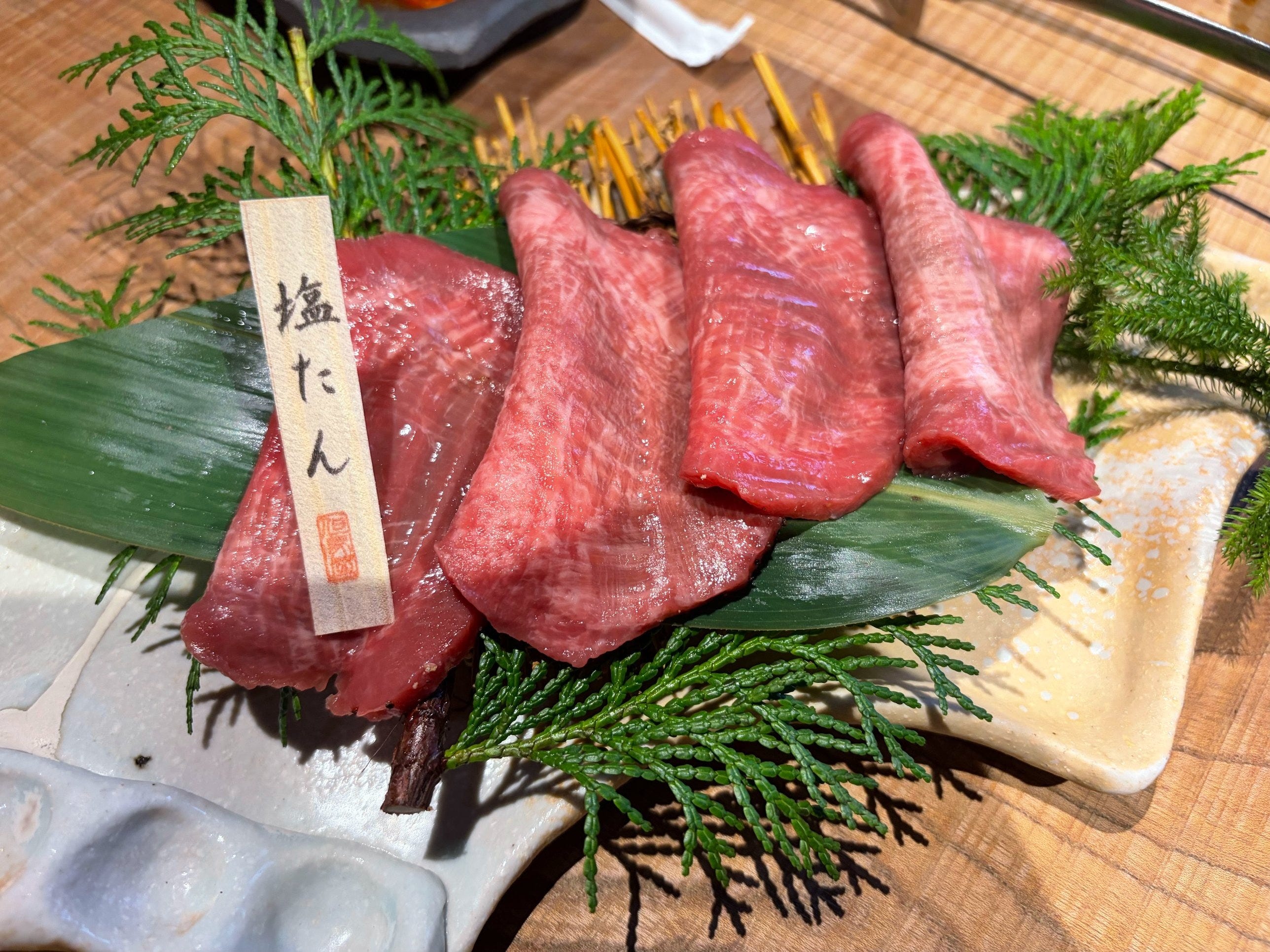
Tan is beef tongue, and it is the traditional first order in Japan. It comes in thin slices with salt, lemon and chopped green onion.
Grill it first, so its clean flavor is not buried under smoke from heavier meats, and flip it as soon as the edges curl. Some menus split tongue into the tip (tan-saki), middle (tan-naka), base (tan-moto) and underside (tan-shita). My rule: I judge a shop by its salted tan.
Kalbi (カルビ): the crowd-pleaser
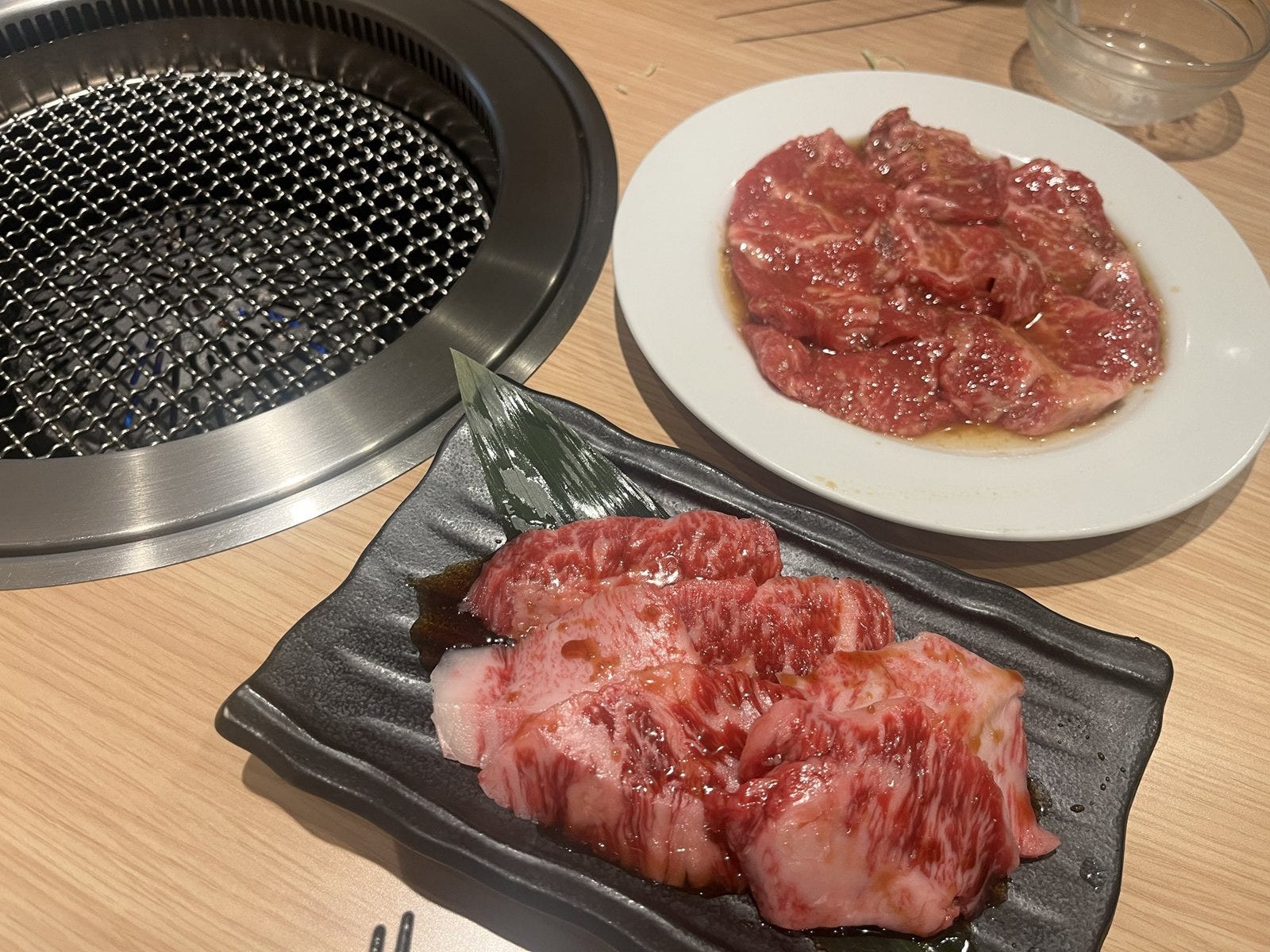
Kalbi is the cut most people picture when they hear “yakiniku.” It is boneless short rib or belly meat, fatty and juicy, and the best partner for a bowl of rice.
If you see jō-karubi or tokusen-karubi, that is the shop’s nicer version. There is no official definition, so each shop decides.
Harami (ハラミ): the red meat that isn’t
Harami is the diaphragm, the muscle between the chest and the belly. Japanese food circles classify it as offal, but it eats like rich red meat.
It is chewier than kalbi and needs a little longer on the grill. You may also see sagari (サガリ), a related cut from the same area.
Rosu (ロース): the back
Rosu means loin, the meat along the back. The word comes from the English “roast.” Menus often specify kata-rosu (shoulder loin), rib-rosu (the back of the ribs) or sāroin (sirloin).
Rosu is lighter than kalbi, so it takes salt well.
Hire (ヒレ): the tender one
Hire is tenderloin. That area barely gets exercised, so the meat is very tender and lean, and most people like it lightly cooked. It is usually cut thick and is one of the pricier items.
The shoulder and hip specialists
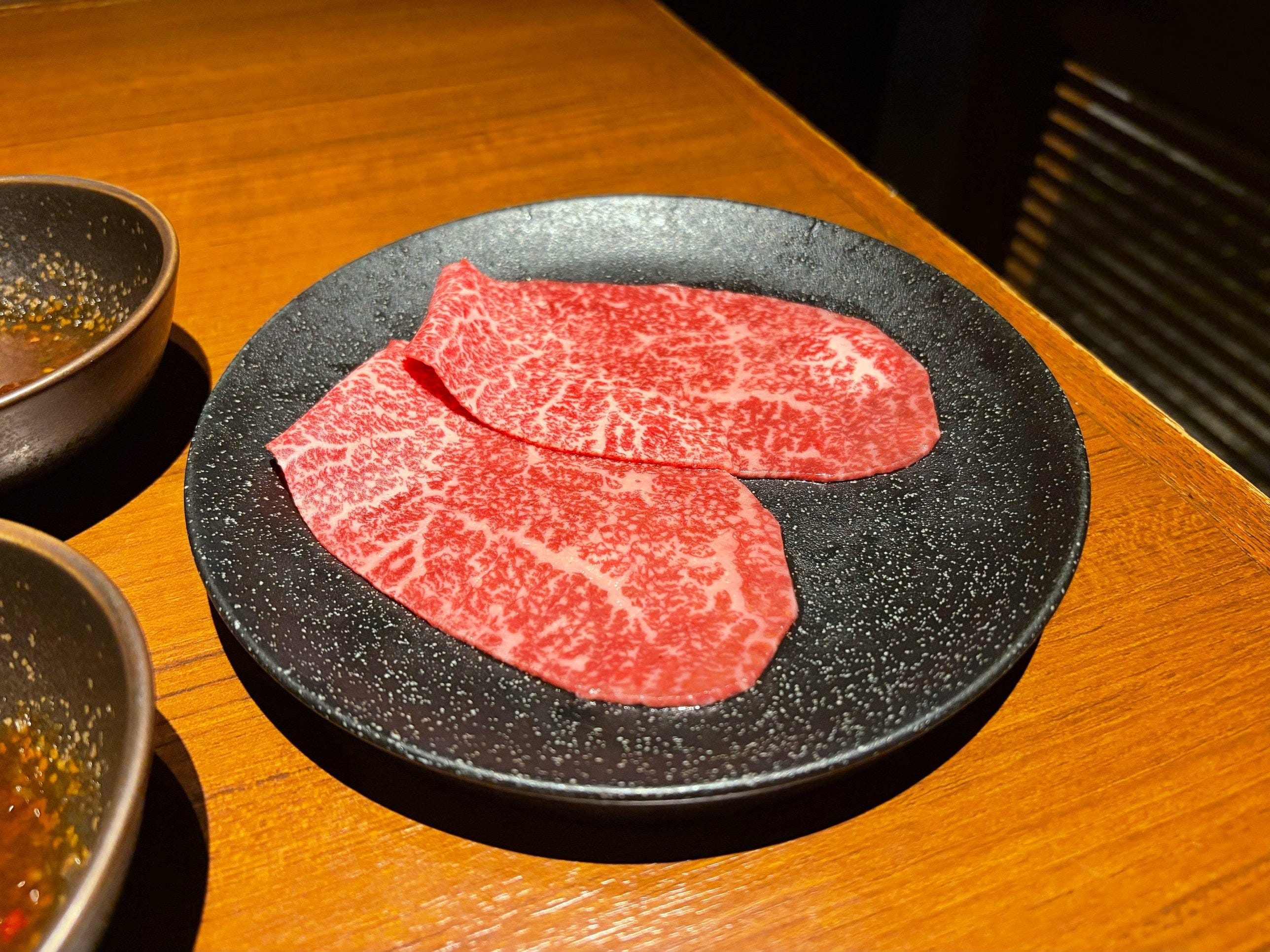
Four more names are worth knowing:
Misuji (ミスジ): from behind the shoulder blade. Rare, finely marbled and soft. It dries out if you overcook it.
Zabuton (ザブトン): the core of the shoulder loin, heavily marbled and sweet with fat. The name means “floor cushion.”
Ichibo (イチボ) and rampu (ランプ): hip and rump. Ichibo is tender and well marbled, and rampu is leaner.
Kainomi (カイノミ): a belly cut near the back with a good balance of fat and lean.
Horumon: the offal cuts
Horumon (ホルモン) is the catch-all word for organs and innards. Some of the best textures on a yakiniku menu live here, and Japanese diners order them without a second thought.
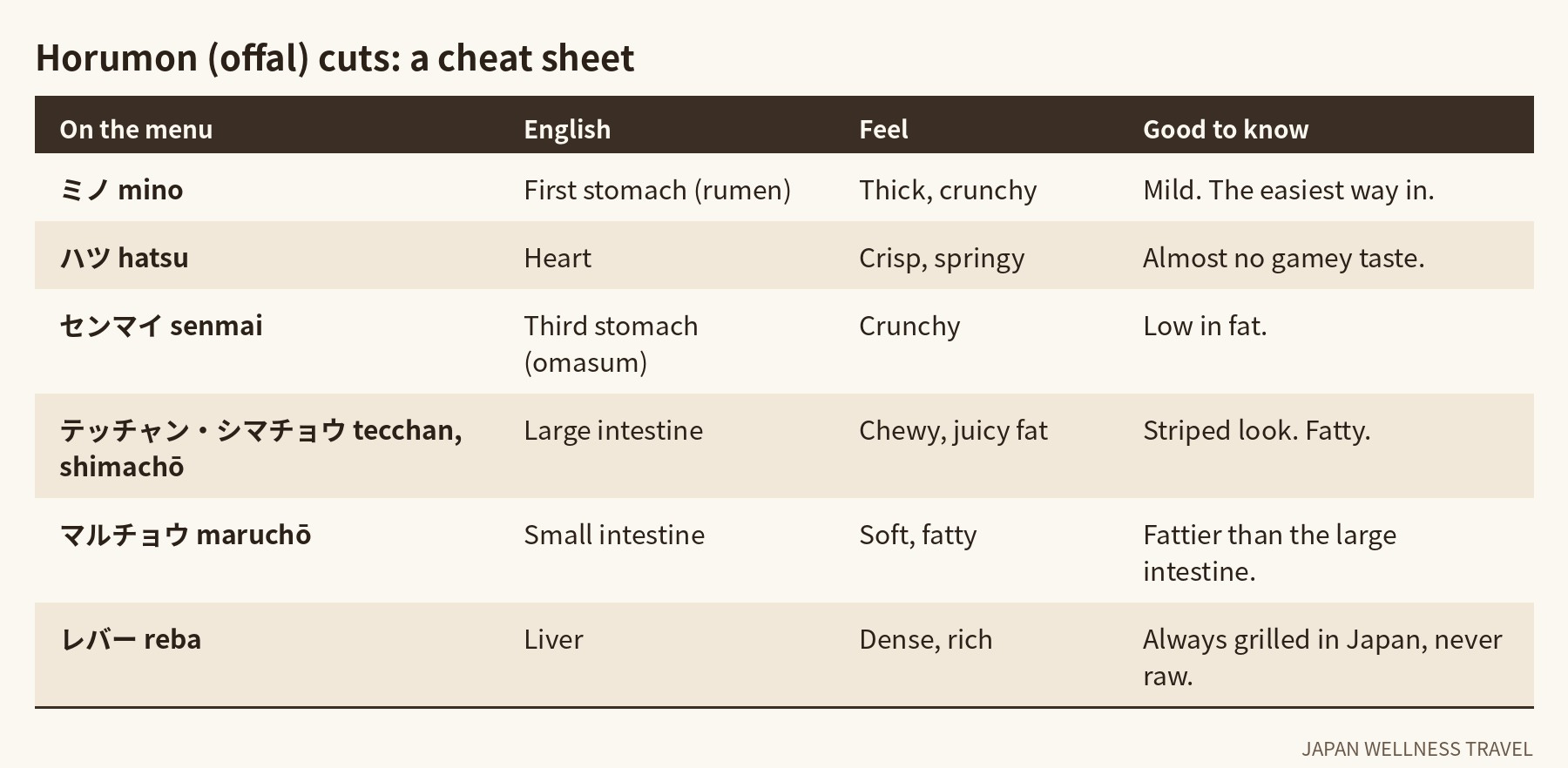
If you are nervous, start with the mildest ones:
Mino (ミノ): the first stomach. Thick, crunchy and very mild. The easiest way in.
Hatsu (ハツ): the heart. Almost no gamey taste, with a crisp, springy bite.
Senmai (センマイ): the third of the cow’s four stomachs. Crunchy and low in fat.
Tecchan or shimachō (テッチャン / シマチョウ): the large intestine, named for its striped look. Chewy, with a lot of juicy fat.
Maruchō (マルチョウ): the small intestine, which is the fattier of the two.
Reba (レバー): liver. Strong flavor, great with sweet sauce, and always cooked through in Japan.
My suggestion: order one horumon plate for the table and treat it as a texture experiment. If you hate it, you lose a few hundred yen. If you love it, you have found the part of the menu most tourists never touch.
How to read a yakiniku menu
Three small decisions shape your meal: which cut, salt or sauce, and thin or thick. As a rule of thumb, lighter cuts like tan, rosu and hire suit salt, and richer cuts like kalbi and harami suit tare and a mouthful of rice.
Here are the words you will see:
Shio (塩): seasoned with salt.
Tare (タレ): marinated in a sweet and savory soy sauce.
Negi-shio (ネギ塩): salt with chopped green onion. Common on tongue.
Mizore-yaki (みぞれ焼): topped with grated daikon radish.
Atsugiri / usugiri (厚切り / 薄切り): thick-cut / thin-sliced.
Jō, tokusen, gokujō (上・特選・極上): “better” labels. The shop decides what they mean.
Setto (セット): a set meal, usually with rice, soup and a small side dish.
Moriawase (盛り合わせ): an assorted platter of several cuts.
Gohan okawari jiyū (ご飯おかわり自由): free rice refills.
Yukke (ユッケ): seasoned raw beef with egg yolk.
A set or a platter puts several cuts on one plate, so it is the easiest first order.
What to order, in what order
The usual rhythm goes from light to heavy. Here is the order I follow:
Salted tan (タン塩). Grill it first, with lemon.
Rosu or hire. Clean, meaty and good with a pinch of salt.
Harami and kalbi in tare. Now bring out the rice.
One horumon plate, if you are curious. Mino or hatsu are the gentlest.
Cold noodles or a small bibimbap to finish, if you still have room.
Order in rounds instead of all at once. A grill crowded with six cuts is how good meat turns to leather.
Cook thin slices for only a few seconds per side, and do not pile meat on top of itself. Use the tongs for raw meat and your chopsticks for eating.
Cannot decide? Order this
If the menu is too much, point and order these, in this order:
Tan-shio (タン塩): salted tongue. Start here.
Kalbi (カルビ): with tare, and a bowl of rice.
Harami (ハラミ): for the chewy, meaty bite.
Rosu (ロース) or hire (ヒレ): with salt, for something cleaner.
A set (セット) or platter (盛り合わせ): several cuts on one plate.
Mino (ミノ) or hatsu (ハツ): if you feel brave.
Cold noodles (冷麺) or small bibimbap: to finish.
Is yakiniku healthy?
A small thing as a doctor: yes, yakiniku can be a healthy meal, if you eat it the Japanese way.
Beef gives you protein, iron, zinc and vitamin B12. You grill it yourself, so you control the fat, and a good yakiniku meal comes with kimchi, namul and salad to go with the meat.
Three small tricks I like:
Mix lean cuts (hire, momo, hatsu, senmai) with the fatty ones.
Eat some salad or vegetables before your second plate of kalbi.
Dip lightly in the tare and go easy on the soup if you watch your salt.
Yakiniku is a happy meal, not a daily one. Enjoy it, and balance the rest of your week.
Tell me your favorite yakiniku
Now I want to hear from you. What is your favorite yakiniku cut, and where did you eat it?
Leave a comment with three things:
Your favorite cut (tan, kalbi, harami, anything).
How you like it: salt or tare, rare or well done.
Your favorite yakiniku place, in Japan or anywhere in the world.
I read every comment, and the most-loved places may end up in my next post.
My 5 favorite yakiniku restaurants (paid)
This guide tells you what to order. It cannot tell you where to go, and that is the harder question.
In my next post, I introduce my 5 favorite yakiniku restaurants in Japan, the places I actually go back to as a yakiniku lover. I do not want every place to be crowded with everyone, so that post is for paid subscribers only.
Number one is honestly the place I would prefer to keep secret. It is that good. Subscribe now, and upgrade to read it when it lands.
Yakiniku FAQ
What is the best yakiniku cut for beginners?
Start with tan (tongue), rosu (loin), kalbi (short rib) and harami (skirt). Together they cover clean, meaty, juicy and chewy, and every yakiniku shop has them.
What is the difference between kalbi and harami?
Kalbi comes from the ribs and belly, and it is fatty, tender and juicy. Harami is the diaphragm, and it is lighter and chewier with a bolder meaty flavor. Order both and compare.
Is harami beef or offal?
Both, in a way. It is beef, and it is muscle, but Japanese food circles classify it as offal because of where it sits in the body. It tastes like red meat.
What is tan in yakiniku?
Tan (タン) is beef tongue, usually sliced thin and served with salt and lemon. It is the traditional first order, and it needs only a short time on the grill.
What is rosu in yakiniku?
Rosu (ロース) means loin, the meat along the back. It is lighter than kalbi and works well with a pinch of salt.
What does horumon mean?
Horumon is the Japanese word for organ meats and innards, such as stomach, intestine, liver and heart. It is a normal part of every yakiniku menu.
Is yakiniku the same as Korean BBQ?
Not quite. The style has Korean roots, but Japanese yakiniku focuses on named cuts that you order one by one, and rice is part of the meal.
Can you eat raw beef (yukke) in Japan?
Yes, but only at shops that meet national standards for raw beef, which is why it is rare. Raw beef liver and raw pork cannot be served at all.