

The Return of Oden Season in Tokyo
These days in Tokyo, the air has turned crisp, and daylight fades earlier every evening. Whenever the weather gets cold like this, my favorite thing to eat is oden — a dish that feels like wrapping yourself in warmth from the inside out.
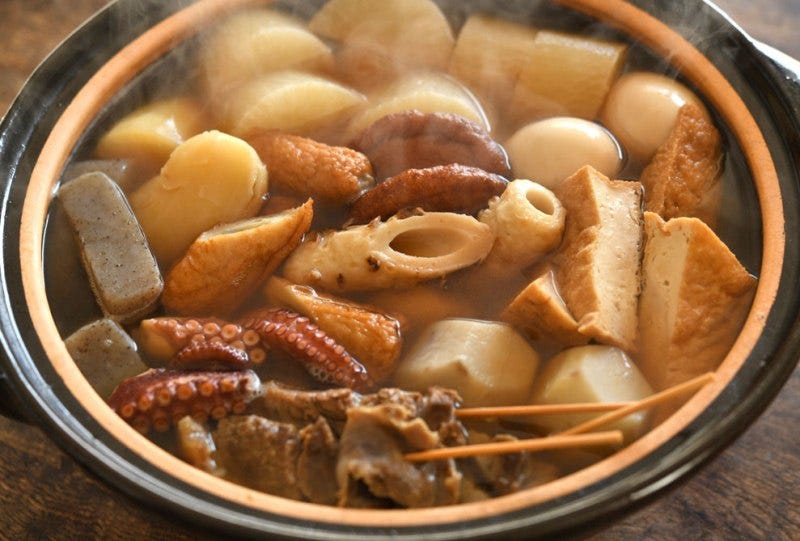
I visited one of my favorite oden restaurants in Tokyo last week, and it reminded me again why this dish is so loved by people across Japan. If you’re visiting during the winter season, oden is one of those must-try experiences that tells you a lot about how Japanese people approach comfort, health, and community through food.
What Is Oden? Japan’s Soul-Warming Winter Dish
Oden (おでん) is a Japanese one-pot dish made by simmering ingredients slowly in a seasoned broth called dashi. At first glance, it looks simple — daikon radish, tofu, fish cakes, and eggs floating gently in a light soup — but the magic lies in its depth of flavor and its quiet connection to Japanese wellness culture.
Traditionally, oden is prepared using kombu (kelp) and katsuobushi (bonito flakes) to make the base dashi. Over time, as ingredients simmer for hours, the broth develops layers of umami, and each item absorbs that essence.
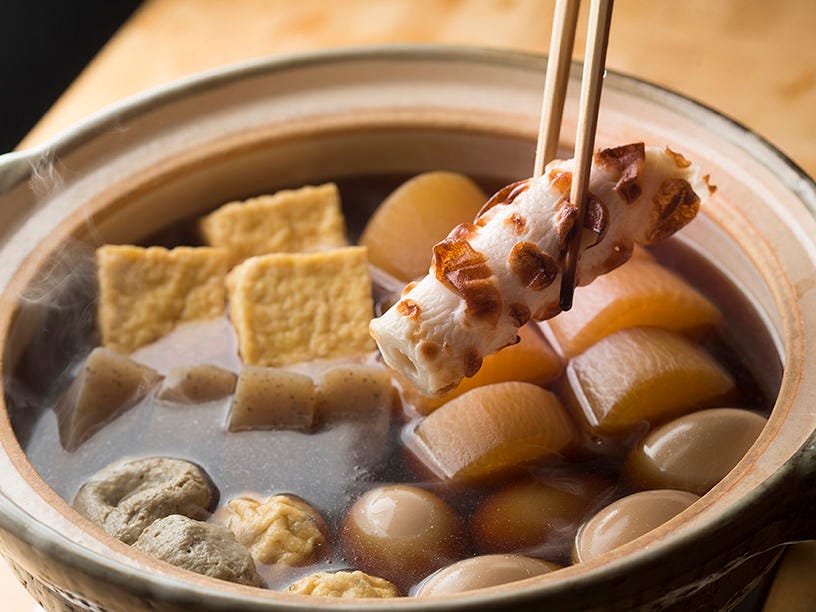
Beyond taste, oden represents the idea of nourishing warmth. It supports digestion, improves circulation, and provides gentle comfort during the cold months. Many of the ingredients — like daikon, known for aiding metabolism, or konnyaku, valued for its fiber — also reflect Japan’s approach to preventive health through food.
That’s why oden has long been seen not only as a comfort dish but as a part of seasonal wellness — a way to eat in harmony with the colder climate while staying balanced and healthy.
A Beloved Tokyo Spot for Oden and Izakaya Culture
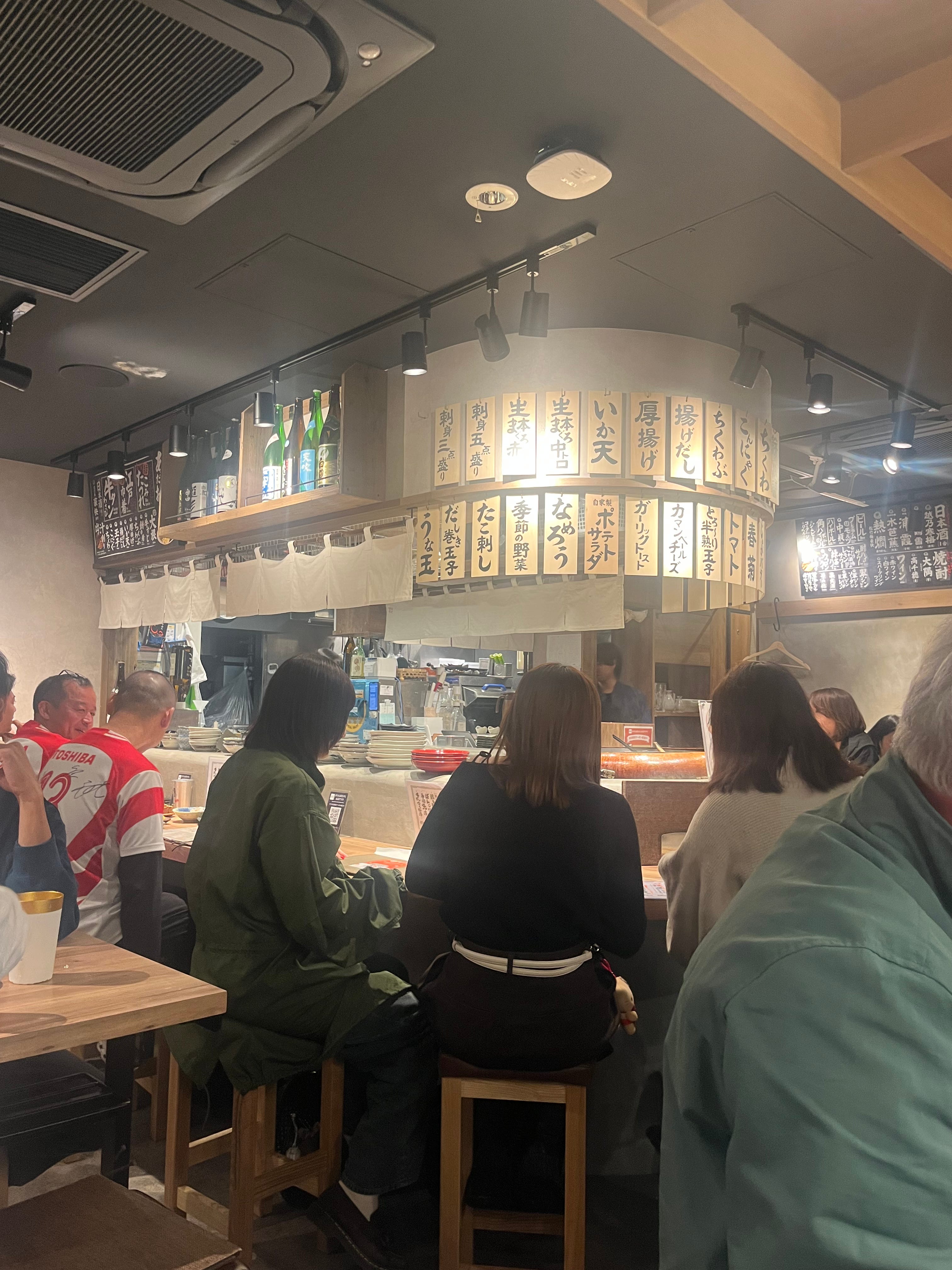
The place I visited last week is one of those restaurants that Tokyo locals love for its warmth and authenticity. It’s not hidden or exclusive — it’s popular among Japanese people for good reason.
Here’s what makes it special:
A cozy, traditionally Japanese atmosphere with handwritten menus on wooden kanban boards.
Two kinds of dashi: agodashi (flying fish) and toridashi (chicken), each highlighting natural umami.
A surprisingly fresh selection of sashimi, uncommon for an oden restaurant.
To see where this restaurant is and how to get there, please become a paid subscriber to unlock the full details, including my Tokyo winter dining map and curated recommendations for healthy Japanese comfort food this season.
