

The first thing you notice is the heat. A steady glow from behind the counter, where a cook turns whole fish over charcoal and nobody is in a hurry.
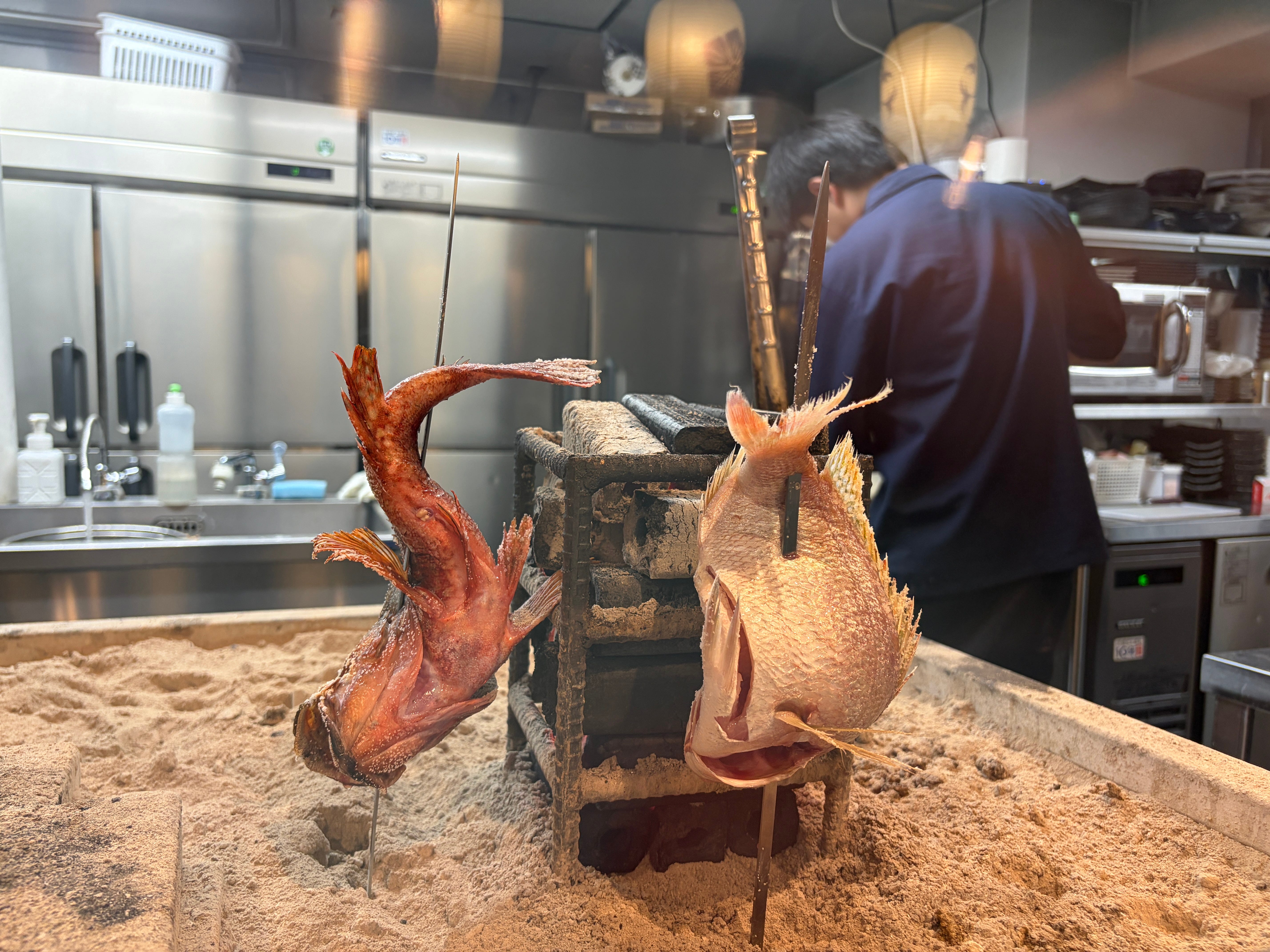
That is robatayaki, and it’s the Tokyo dinner most visitors skip.
In this guide, you’ll learn:
What robatayaki is and how it differs from yakitori
Whether it’s healthy, from a doctor’s point of view
Who it’s perfect for
Where to try it in Tokyo, with exactly what I ordered
What Is Robatayaki?
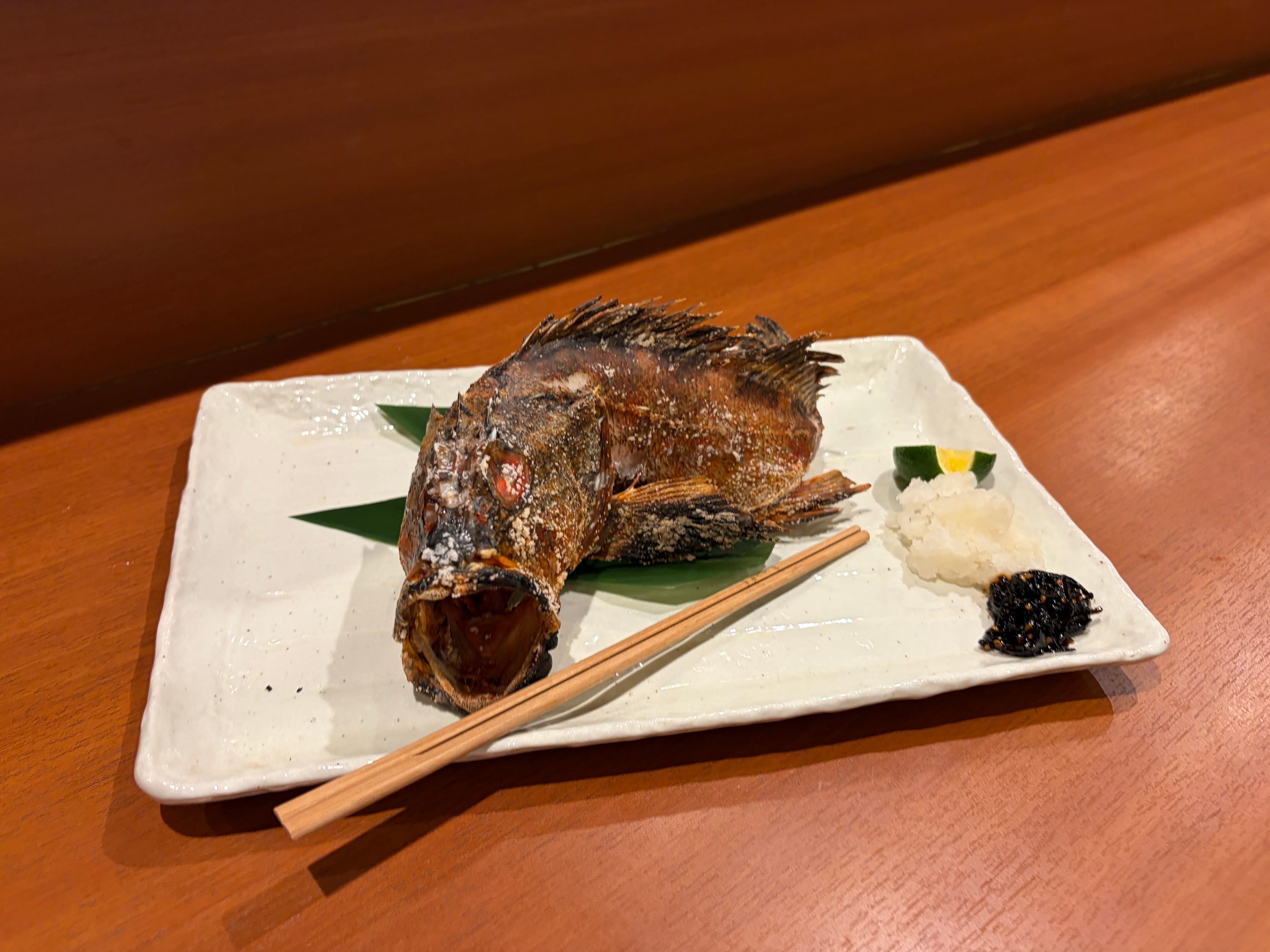
Robatayaki (炉端焼き) means “fireside cooking.” Seafood, vegetables and sometimes meat are grilled slowly over charcoal, then handed over straight from the heat.
It began with fishermen in northern Japan cooking their catch around an open hearth.
How it differs from yakitori:
Yakitori is mostly chicken on skewers
Robatayaki leans toward seafood and vegetables, in big pieces
You sit at a counter and watch it being cooked
Is Robatayaki Healthy? A Doctor’s View
Yes, it’s generally a healthy way to eat — if you follow two simple rules:
Don’t eat the burnt parts
Go easy on the salt
Why I like it:
Fish. The American Heart Association recommends two servings of non-fried fish a week, about 100 g each. One robata dinner can cover one of them
Simple cooking. Salt and fire, with no batter or heavy sauce
Vegetables you can taste. They arrive nearly whole
Who Should Try Robatayaki?
Robatayaki is still much less known among overseas visitors than sushi, ramen or yakiniku. That’s my impression, not a statistic. I’d send these three kinds of people:
1. You want to eat more fish but never cook it at home. Whole fish can feel like homework. At a good robata, the staff handle that part.
2. You like dinner with a bit of theatre. A counter seat in front of the grill gives you something to watch between bites. It works well for two, or for one.
3. You want vegetables to be the star. If yakiniku leaves you feeling heavy, grilled vegetables over charcoal feel completely different.
Where to Eat Robatayaki in Tokyo: Sumika in Nakano
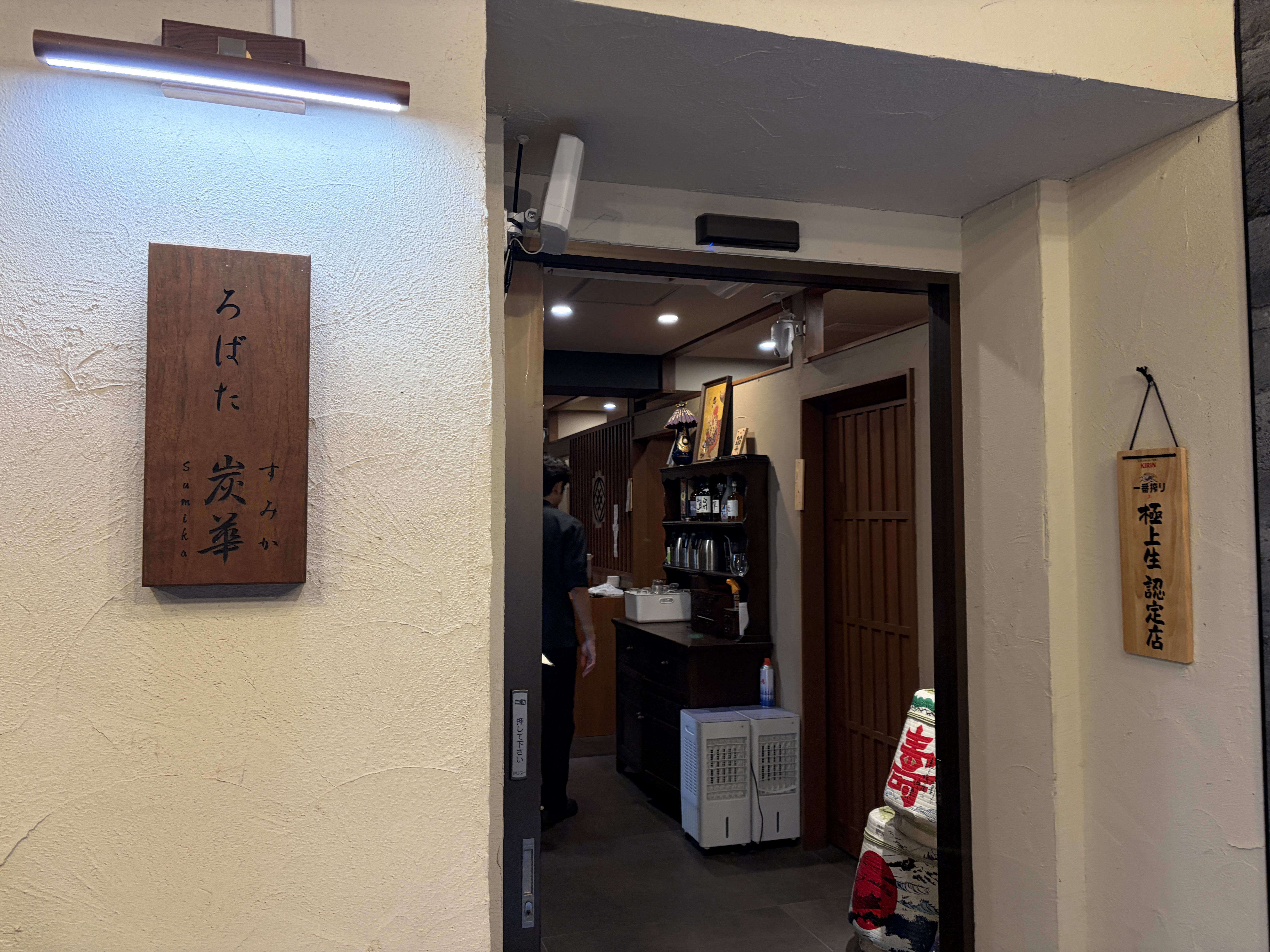
My recommendation is Nakano Robata Sumika (中野炉端 炭華), a 4-minute walk from JR Nakano Station.
Why I Recommend Sumika
It’s very close to Shinjuku. An easy side trip, even on a short stay
Nakano has real subculture. Nakano Broadway, known for anime and manga, is right nearby
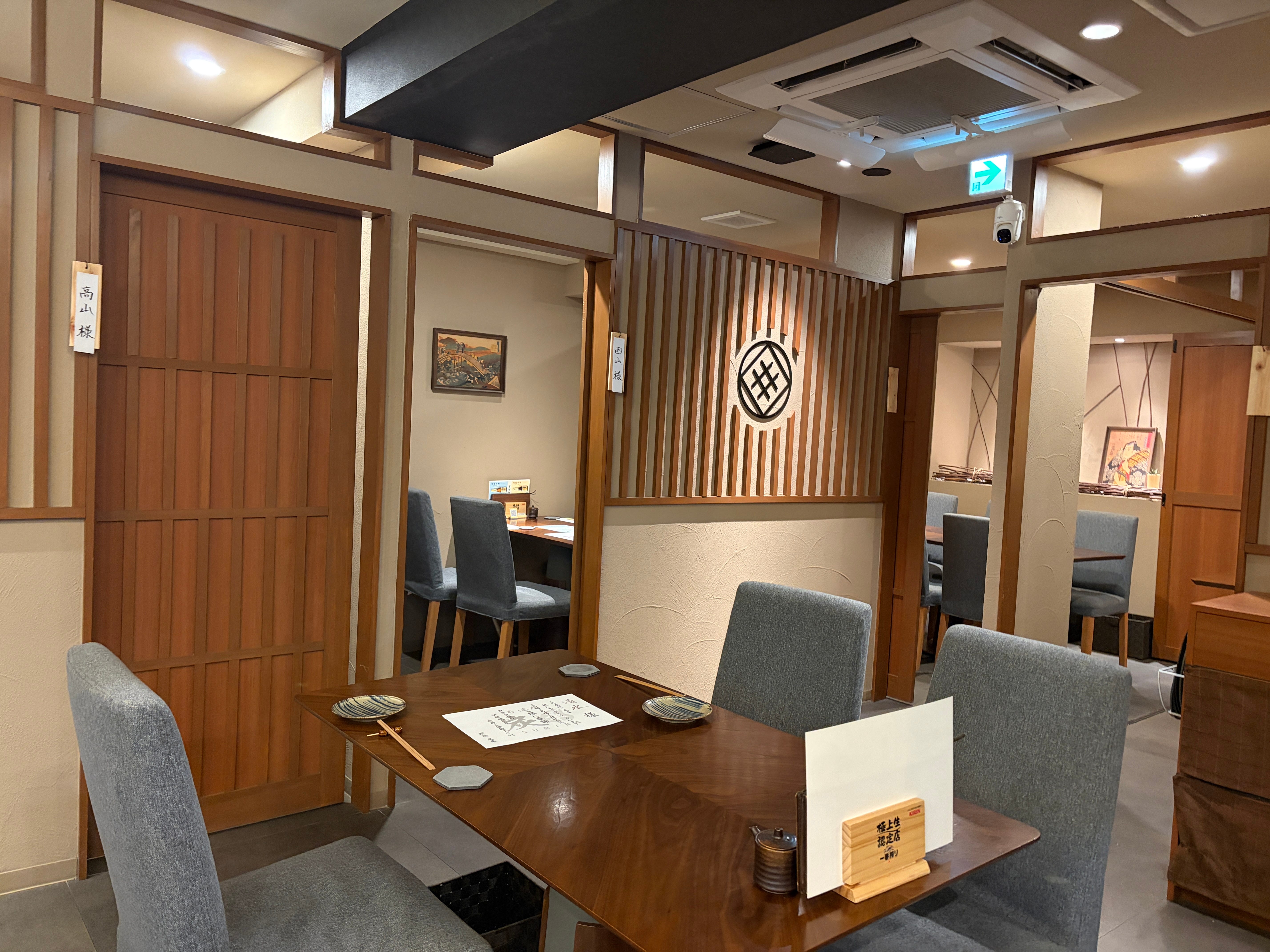
It’s cleaner than most izakaya. Bright and calm, not smoky and chaotic
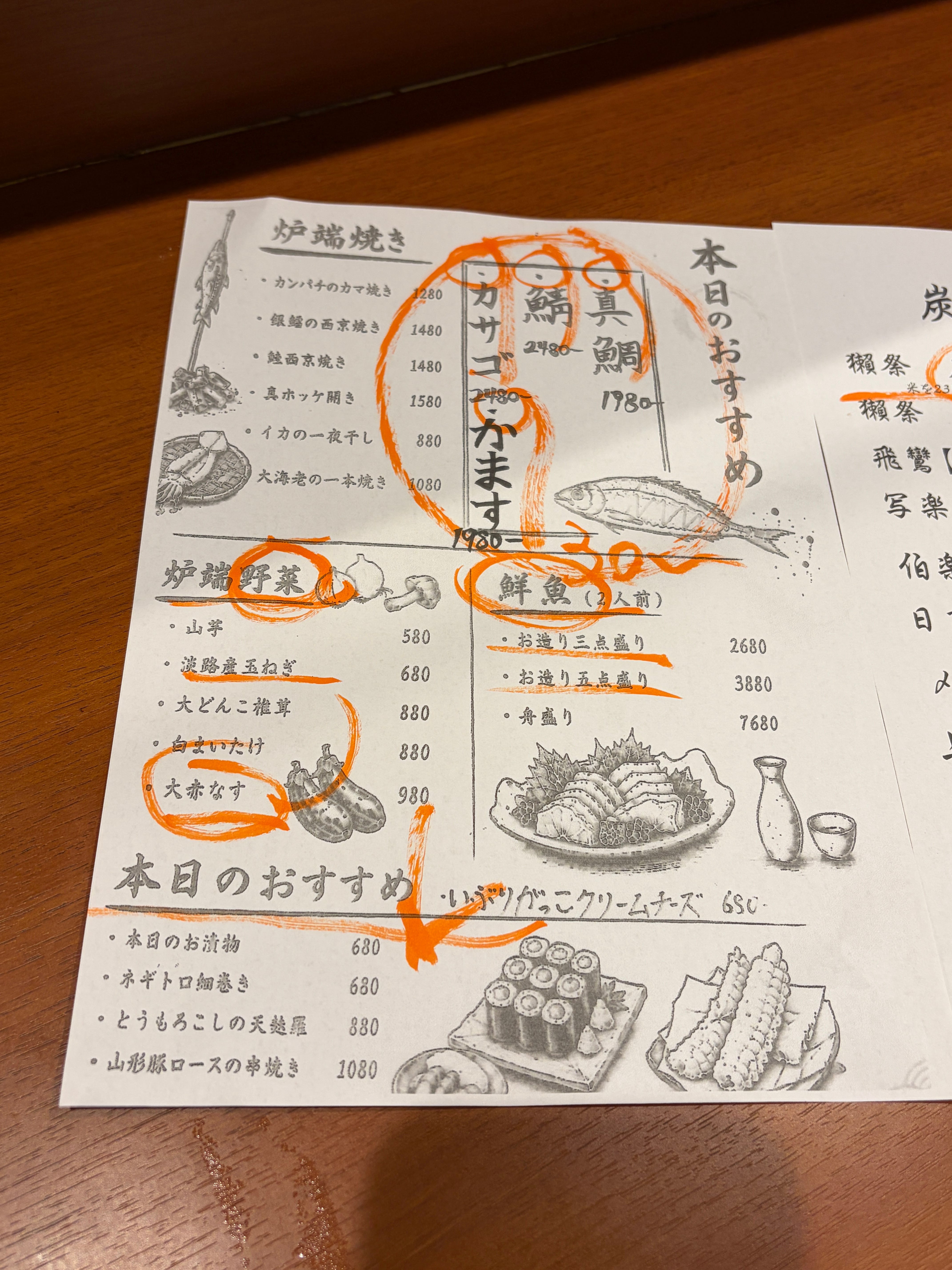
The staff are kind. They explain the day’s recommendations the moment you sit down
You can watch the grill. Sit at the counter and see your fish being cooked
English is covered. English and other-language menus, and English-speaking staff, are listed
So it works equally well for a first-time visitor, a date, or a quiet dinner after a day at Nakano Broadway.
We ordered exactly what the staff suggested, and I’d do the same.
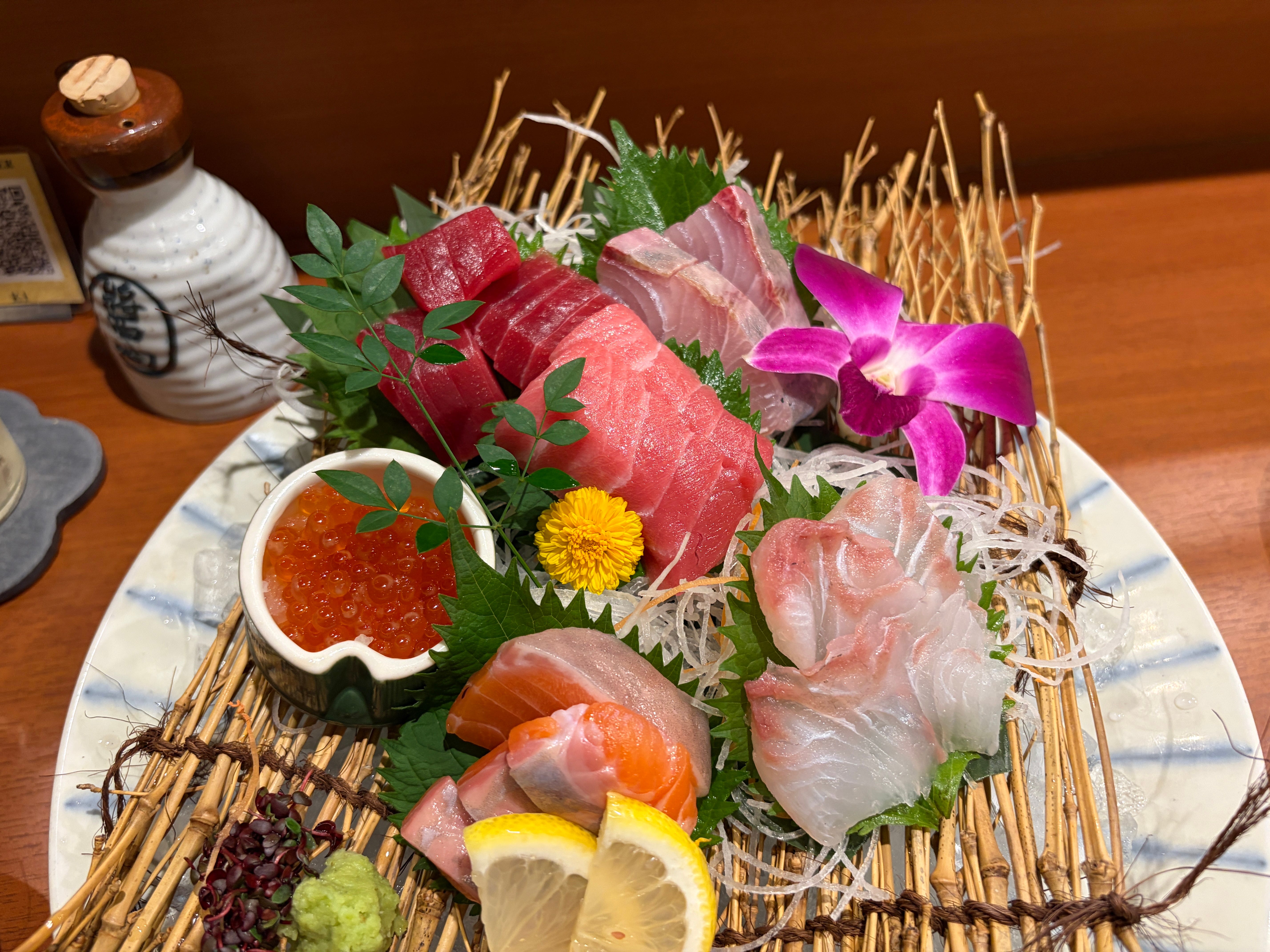
1. The sashimi
We ordered the five-kind assortment. The cuts were much thicker than I expected, and the fish tasted clean.
2. The grilled vegetables
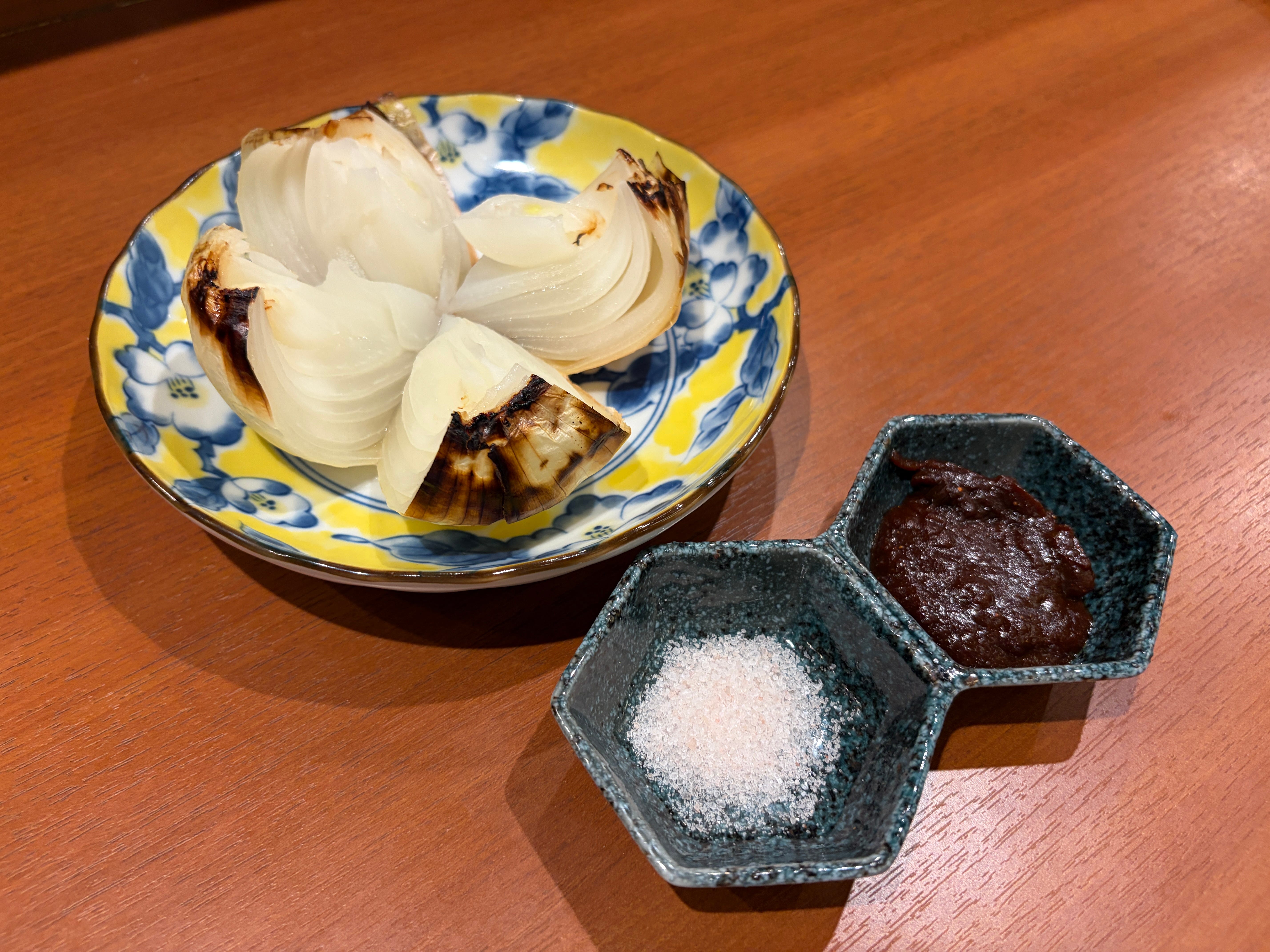
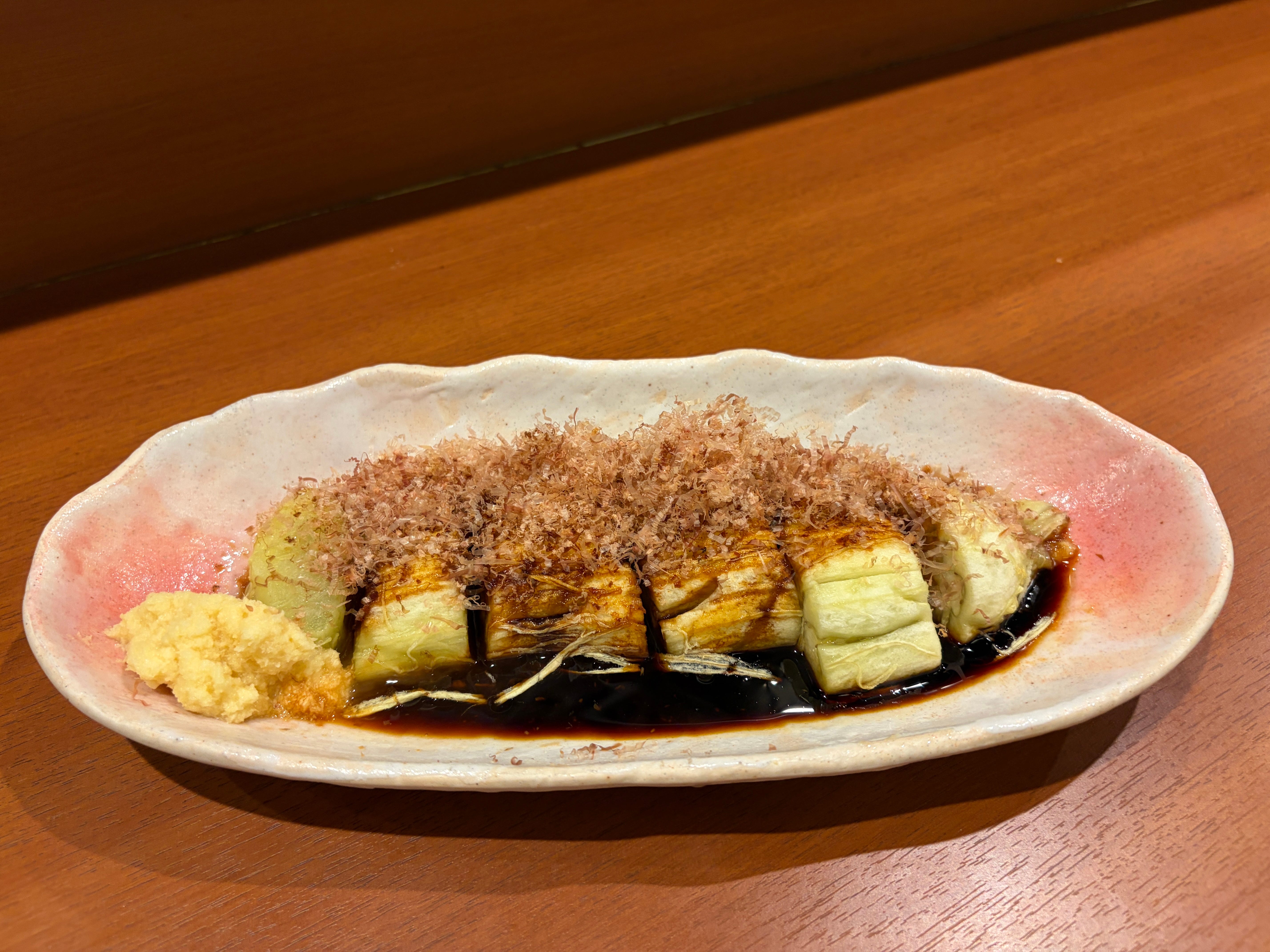
This is the part people skip, and the part I’d tell you not to. The staff recommended two vegetables, and both turned out to be stars.
Awaji onion
Grown on Awaji Island, and known for its sweetness
It arrived big and impressive, and grilling brought out even more of that sweetness
It was very sweet, close to a dessert vegetable, with no sharpness at all
Very large red eggplant
Honestly, I’ve never been a big eggplant fan
This one was huge, and I expected to struggle with it
Instead it was sweet, and I finished it faster than I expected
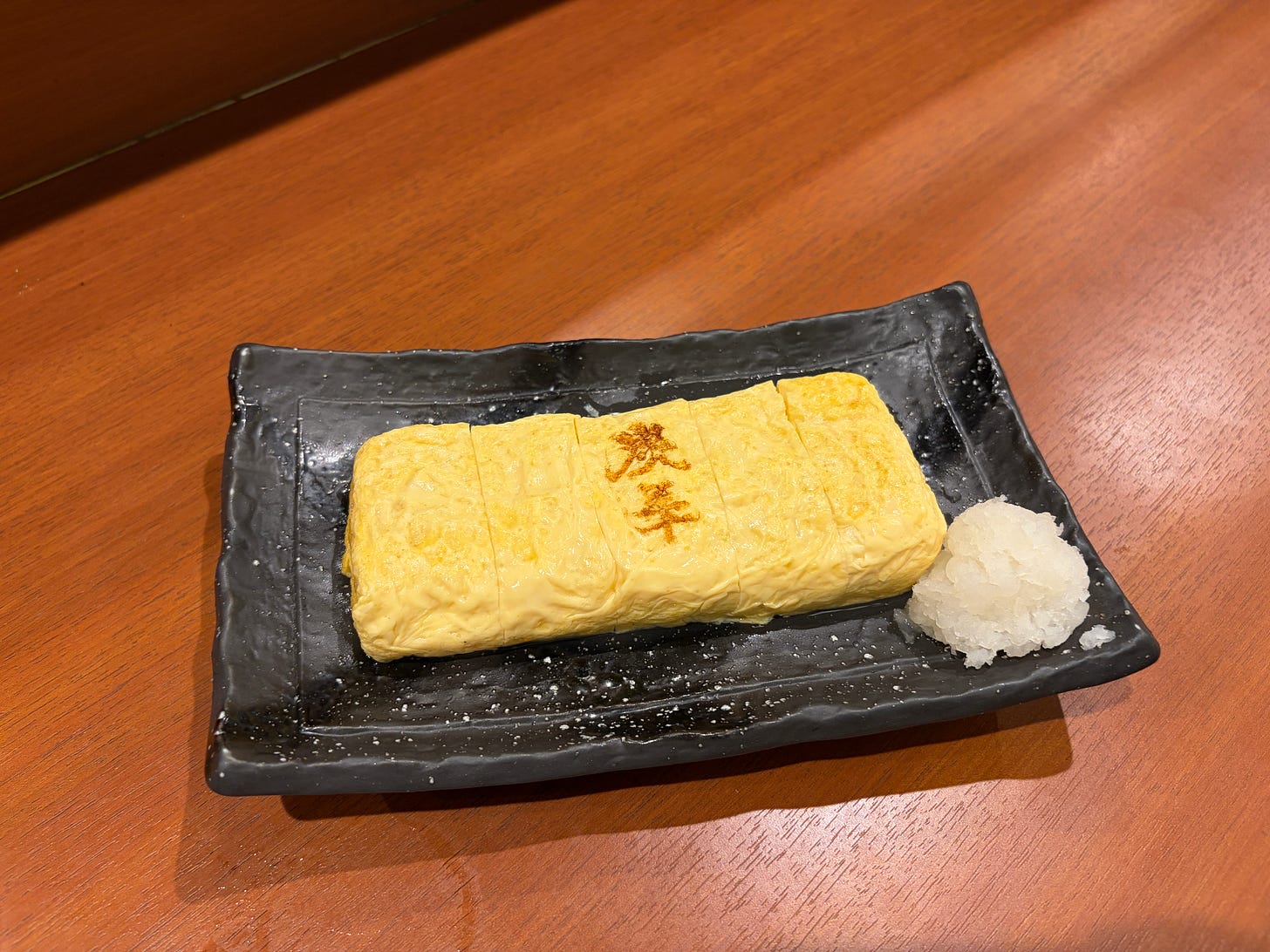
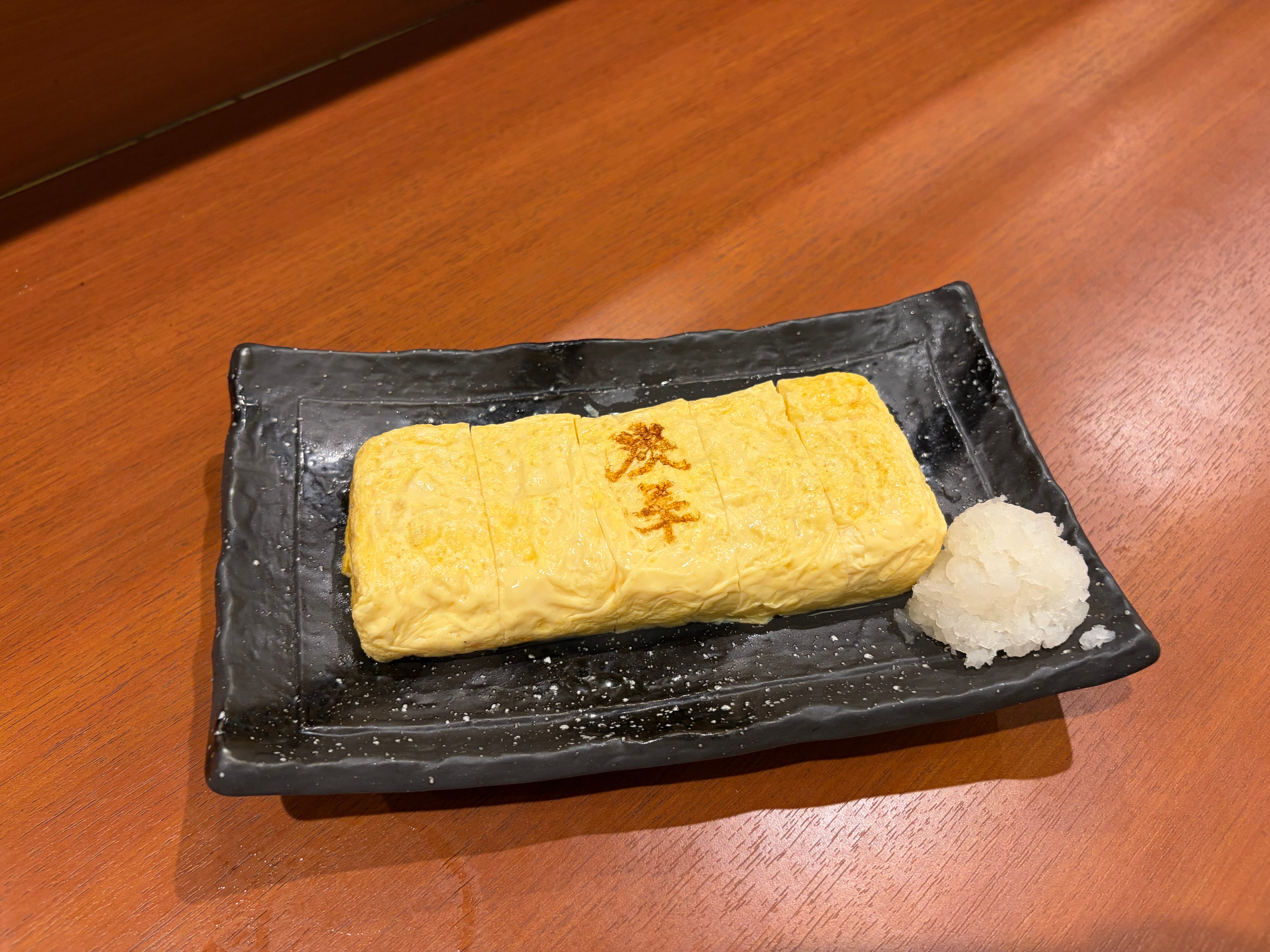
3. Small dish worth adding
Dashimaki tamago: a rolled omelette made with dashi stock
4. The robata fish
Now the one I’ve been holding back. The robata fish was the best thing I ate that night!
We ordered one whole fish each: sea bream (madai) and scorpionfish (kasago). It was cooked right in front of us at the counter, and it looked wonderful before it even reached the plate.
Sea bream (madai)
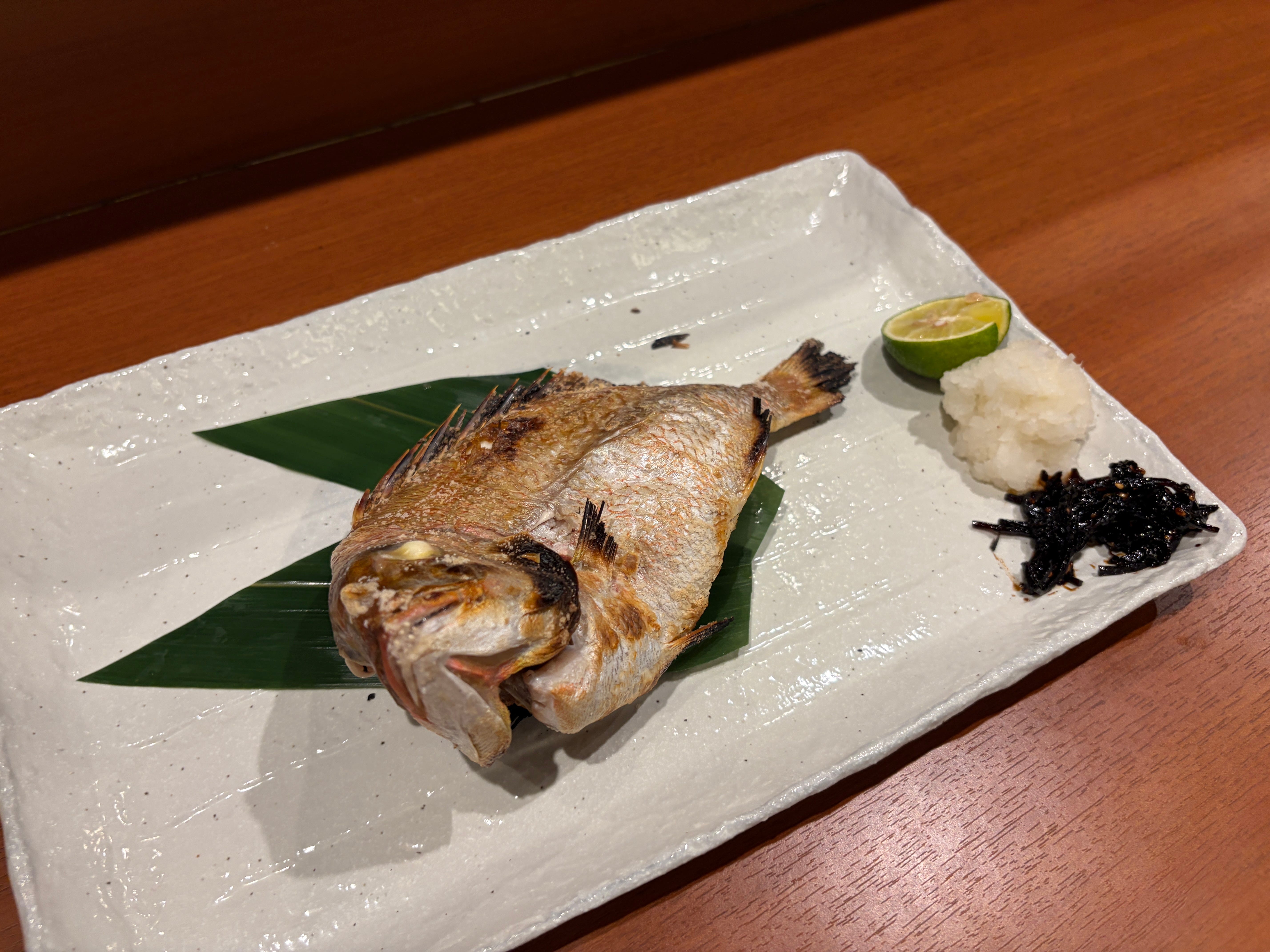
A classic fish in Japan, often served at celebrations
Mild and delicate, so it suits simple charcoal grilling
Scorpionfish (kasago)
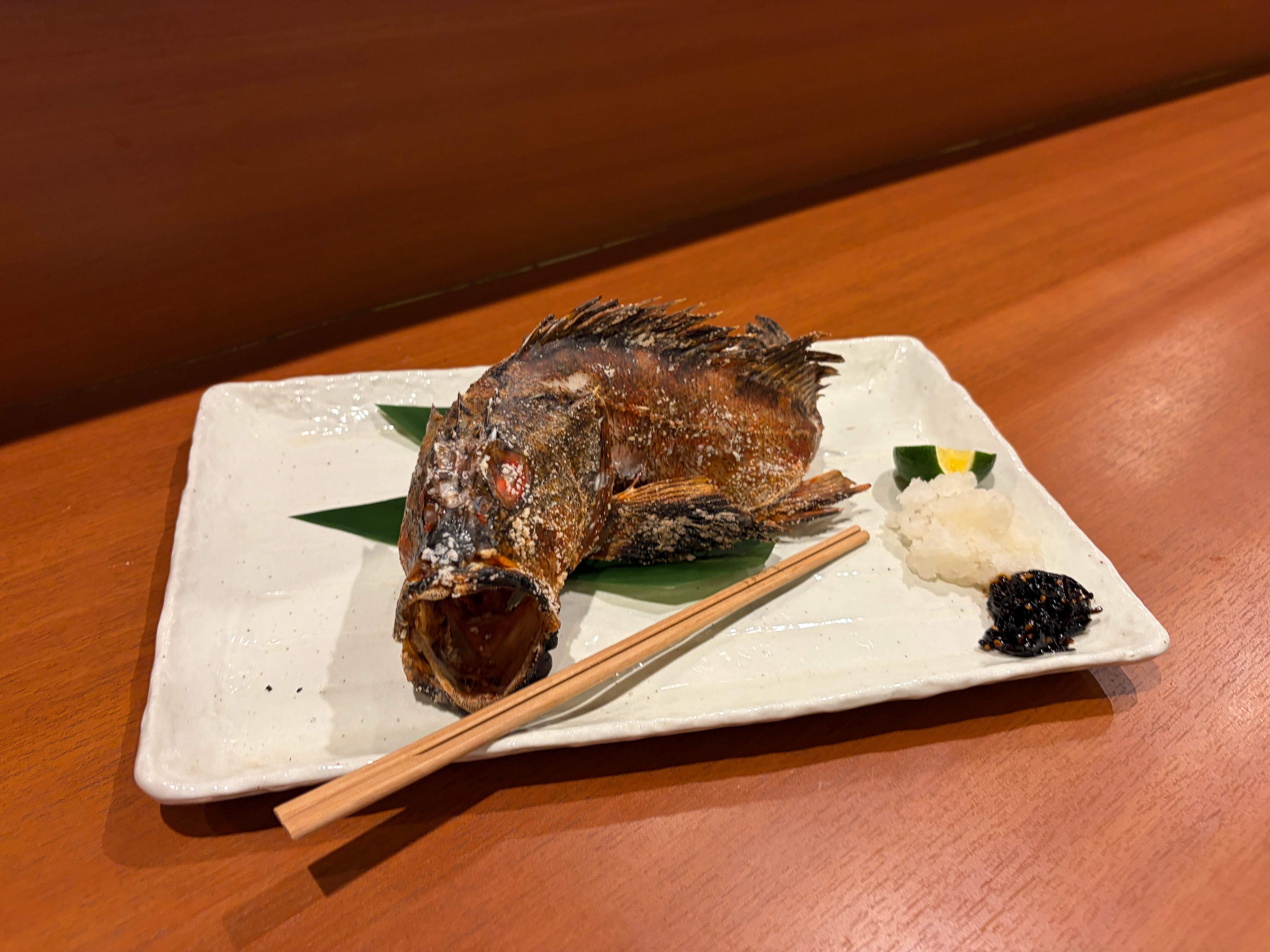
The flesh was springy and sweet
A fish you rarely see on a Western menu, which makes it a fun thing to try
What made the experience special:
The staff opened the fish for us, so there was no fighting with bones. This is the best part for visitors who find whole fish intimidating
The meat inside was plump and full, and cooking on the bone helps keep it moist
The portion was generous. I can’t think of many places in Tokyo that serve a whole fish this big
My one tip: ask the staff for the day’s recommendation.
Practical Info: Sumika in Nakano
Address: 5-55-6 Nakano, Nakano-ku, Tokyo 164-0001
Nearest station: JR Chuo Line, Nakano Station, 4-minute walk
Dinner: 17:00–23:00 (Sundays 17:00–22:00, last order 21:00)
Lunch: listed as 11:00–14:00, last order 13:00. Listings disagree on days, so check when you book
Price: dinner averages about ¥5,000 per person on Gurunavi. Set courses run ¥5,500–¥12,000 (about 120 minutes)
Reservation: free online booking through Gurunavi. I’d book ahead, especially for counter seats
English support: English menu and English-speaking staff listed, plus Chinese and Korean menus
Seating: counter, tables and private rooms
Payment: credit cards accepted
Phone: +81-3-4400-3404
Have you tried robatayaki before?
Tell me in the comments where you ate it and what you ordered.
And if you know someone coming to Japan who loves seafood or grilled food, share this guide with them!
I love that you pointed out the grilled vegetables as the part people skip — the Awaji onion sounds wonderful. The counter-seat idea of watching the fish cook over charcoal makes this feel very inviting.
I am putting this on my list for my Tokyo visit in a few
Months.