

Okayama is one of Japan’s quiet stars. Maybe you’ve heard of it, maybe not, but it’s a place full of beautiful culture, deep history, and moments that feel totally different from the big cities.
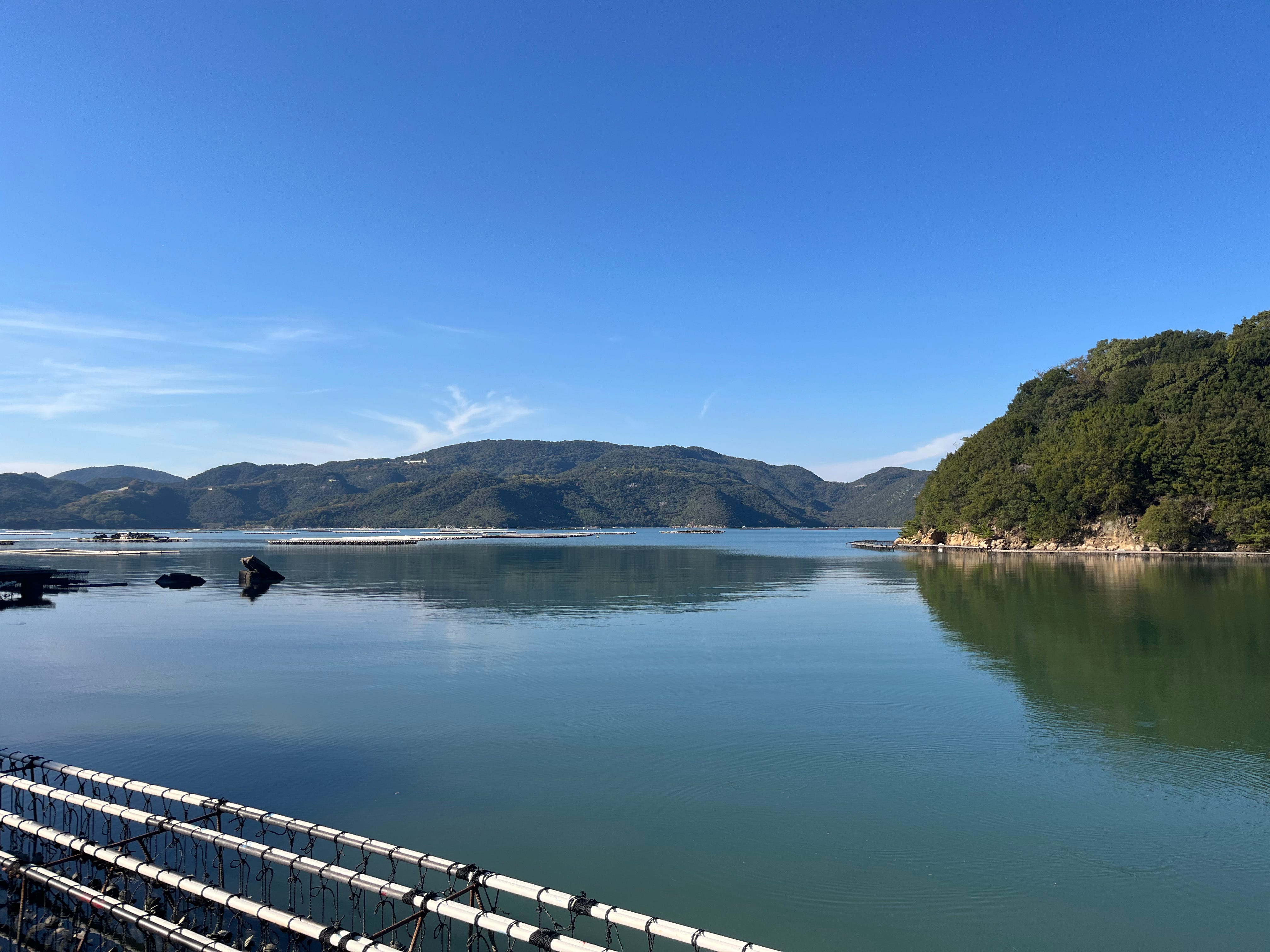
Luckily, I recently had a chance to explore some of the most surprising and meaningful spots in Okayama. Many of these places are difficult to access on your own, so joining the guided tour made everything smooth and stress free.
This tour is perfect for…
People who want to explore a hidden gem in Japan without stress
Fans of Japanese anime, especially those curious about swords or scenes from Ghibli films
Anyone who wants to time slip into Japanese childhood memories through nostalgic snacks and old local traditions
Experiences and Activities
08:00
“Yakushin” Taro Okamoto
RSK Sanyo Broadcasting Company
The tour begins at the “Yakushin” Taro Okamoto statue at RSK Sanyo Broadcasting Company. Once everyone gathers, the bus slowly heads toward one of the most unexpected cultural surprises of the day.
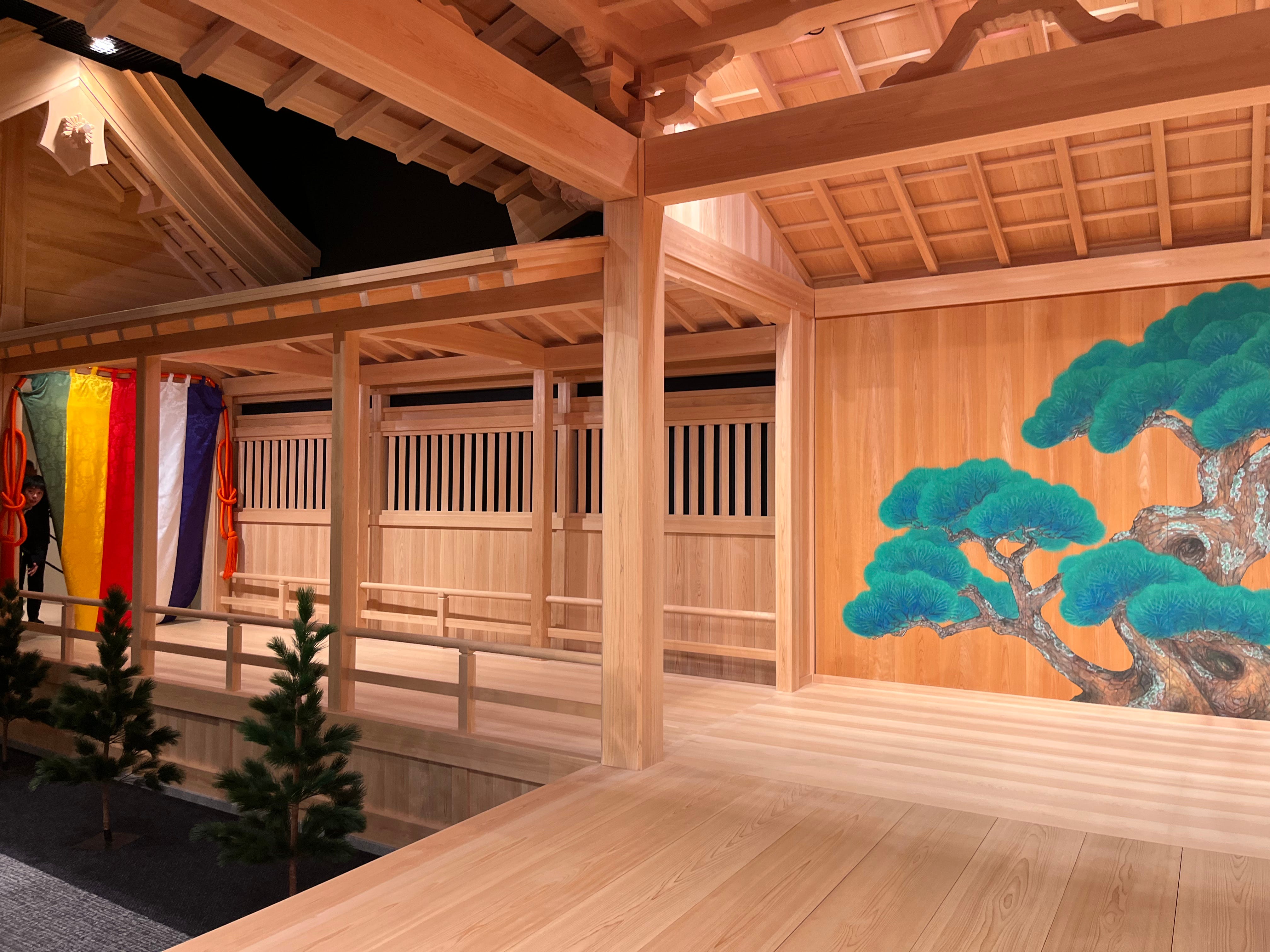
Noh Theatre Hall “Tenjin9”
This was my first time stepping onto a real Noh stage. Even as someone born in Japan, I had never stood on one before. When you stand on the wooden floor, you immediately feel how quiet and powerful the space is. The hall has a soft echo, the kind that makes you naturally breathe slower. It reminded me that traditional Japanese arts always bring you back to the present moment, which fits perfectly with the idea of wellness travel Japan.
09:30
Jigenin Temple
Bizen Osafune Japanese Sword Museum
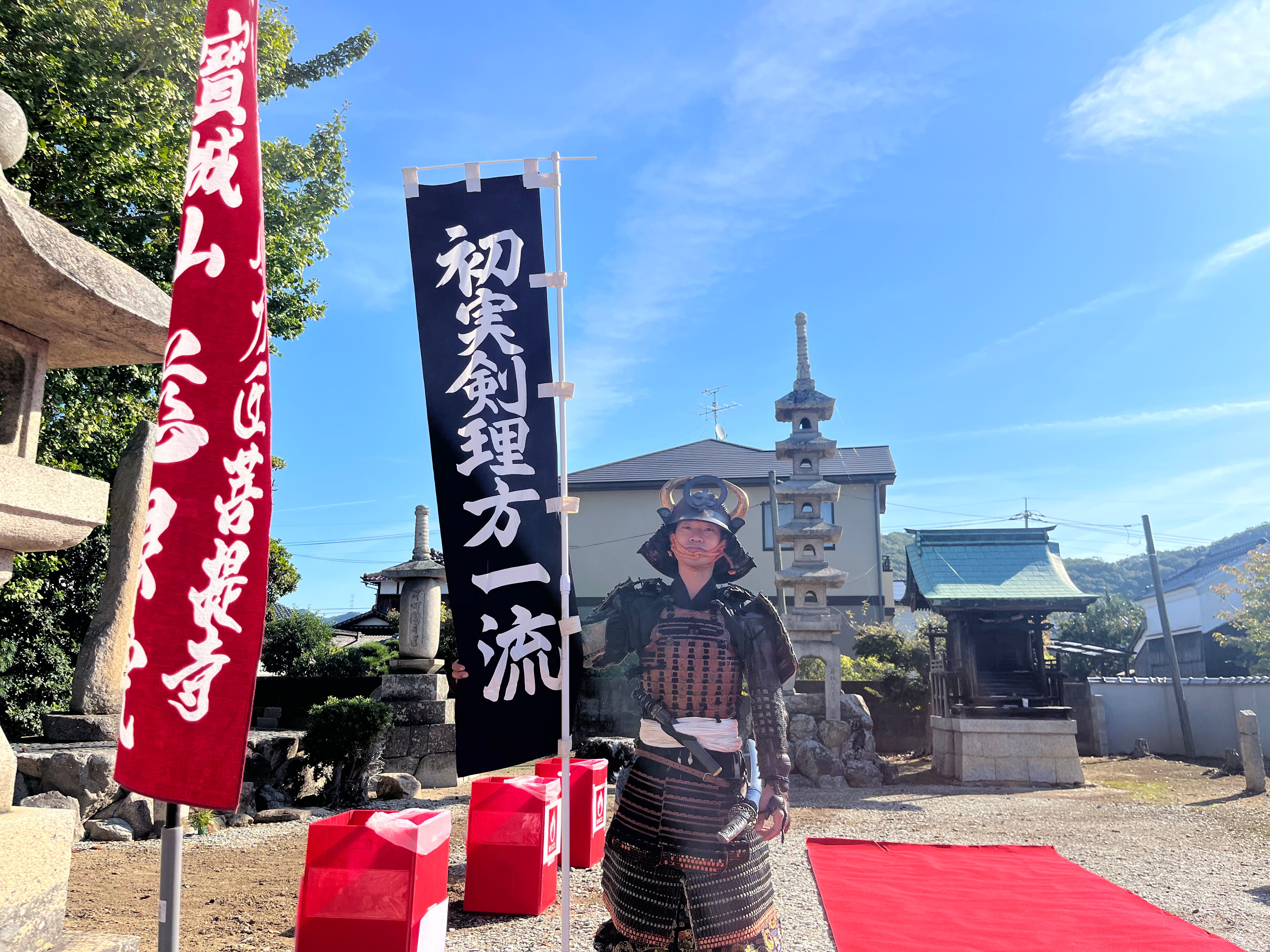
If you love anime or grew up watching characters with swords, this stop feels like stepping into that world. Osafune has an 800 year history of sword making, and you can actually watch real swordsmiths at work. What surprised me the most was the hands on cutting experience. Yes, you can try cutting with a real sword. It was my first time, and I had so much fun.
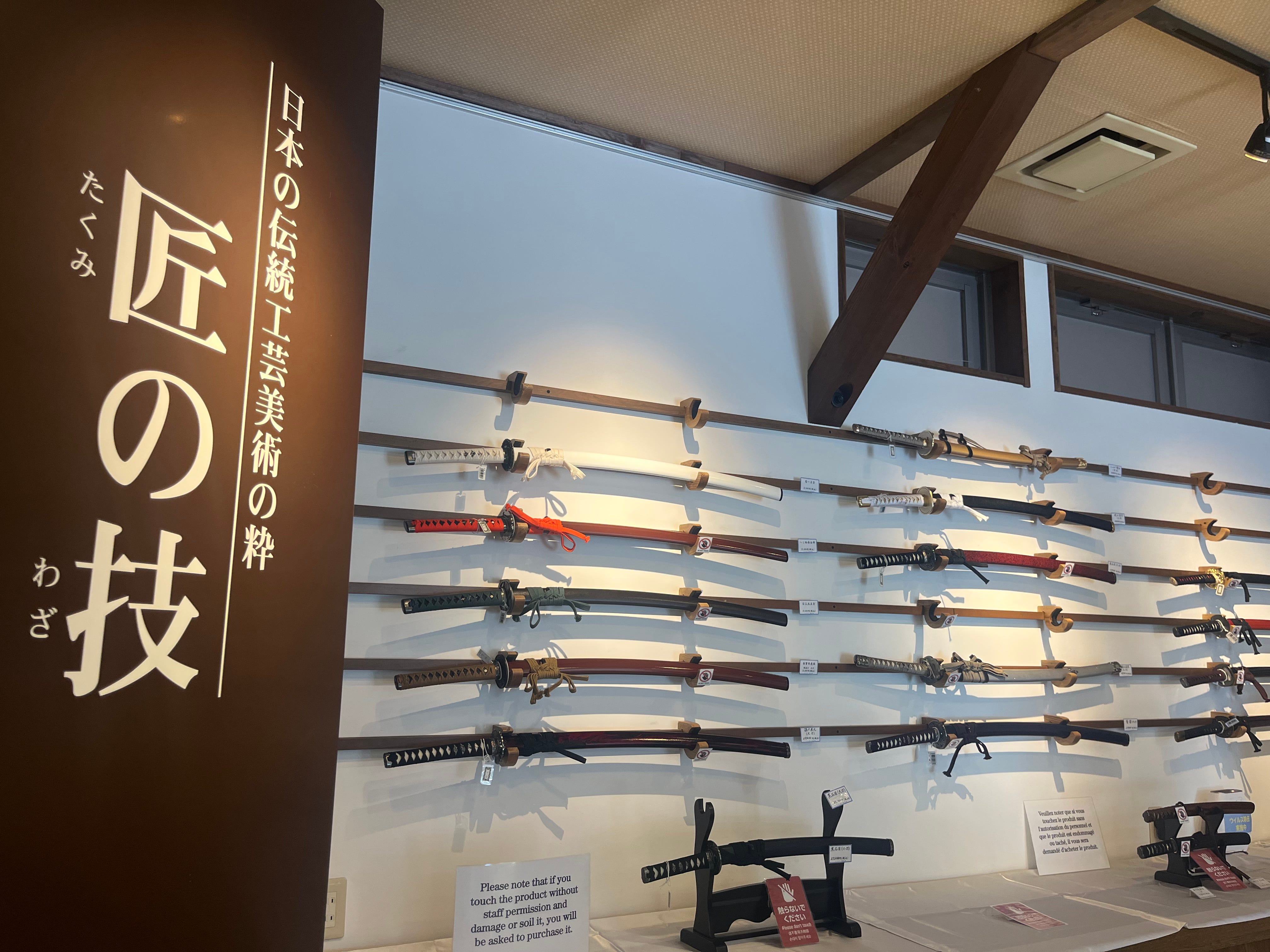
You also get to see many styles of Japanese swords at the Bizen Osafune Japanese Sword Museum, and learn how much focus, training, and technique go into making each blade.
12:00
Ipponmatsu Observation Garden
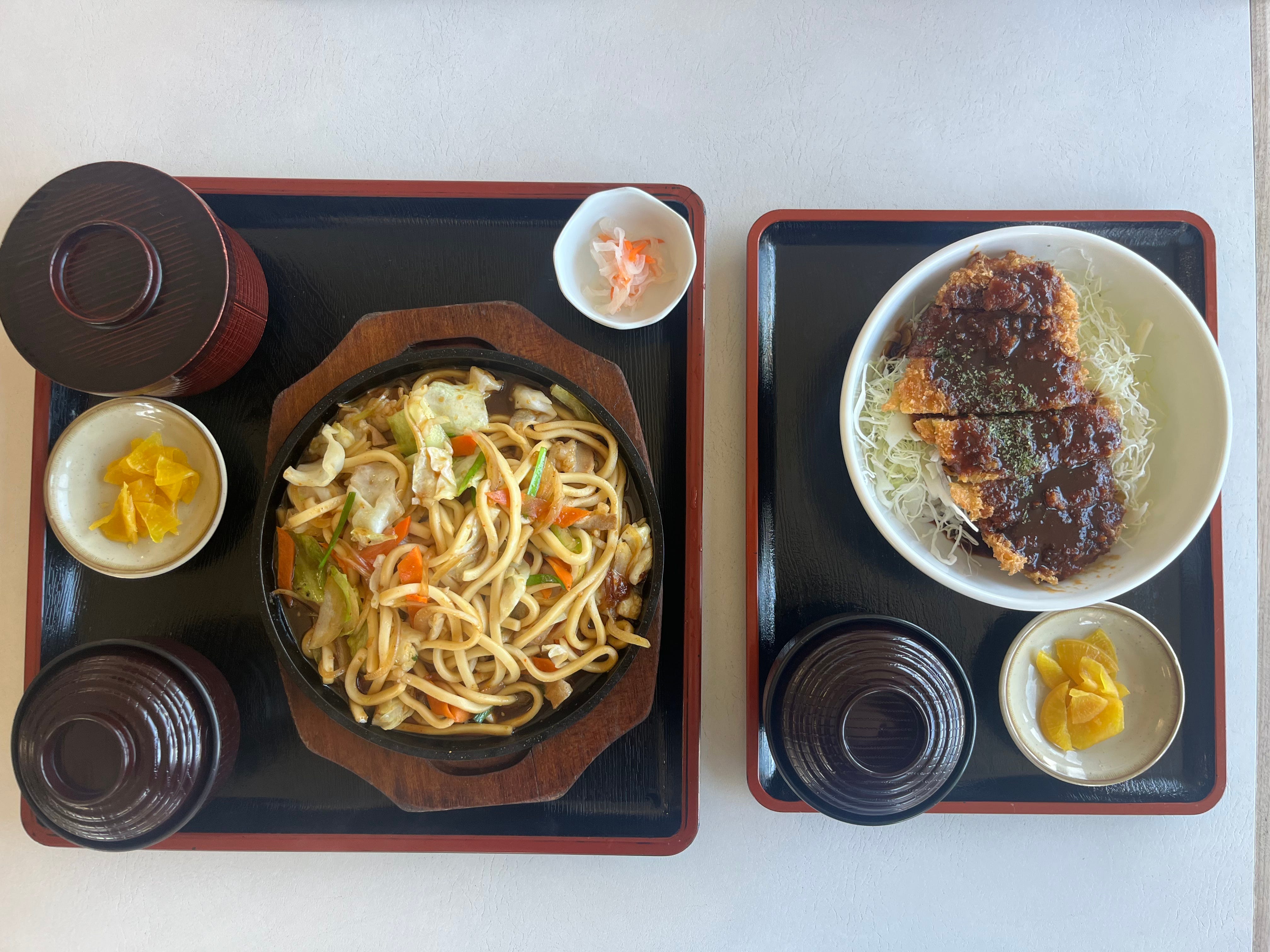
This hilltop garden is where we stopped for lunch. It’s calm and open, with views stretching across the countryside. I chose demikatsu, a regional dish with a demi glace style sauce over pork cutlet. I always knew it was famous in Okayama, but eating it here made it taste completely different. The garden atmosphere makes the meal feel relaxed and slow, something I really appreciated.
13:30
Human Rights Island “Nagashima” History Museum
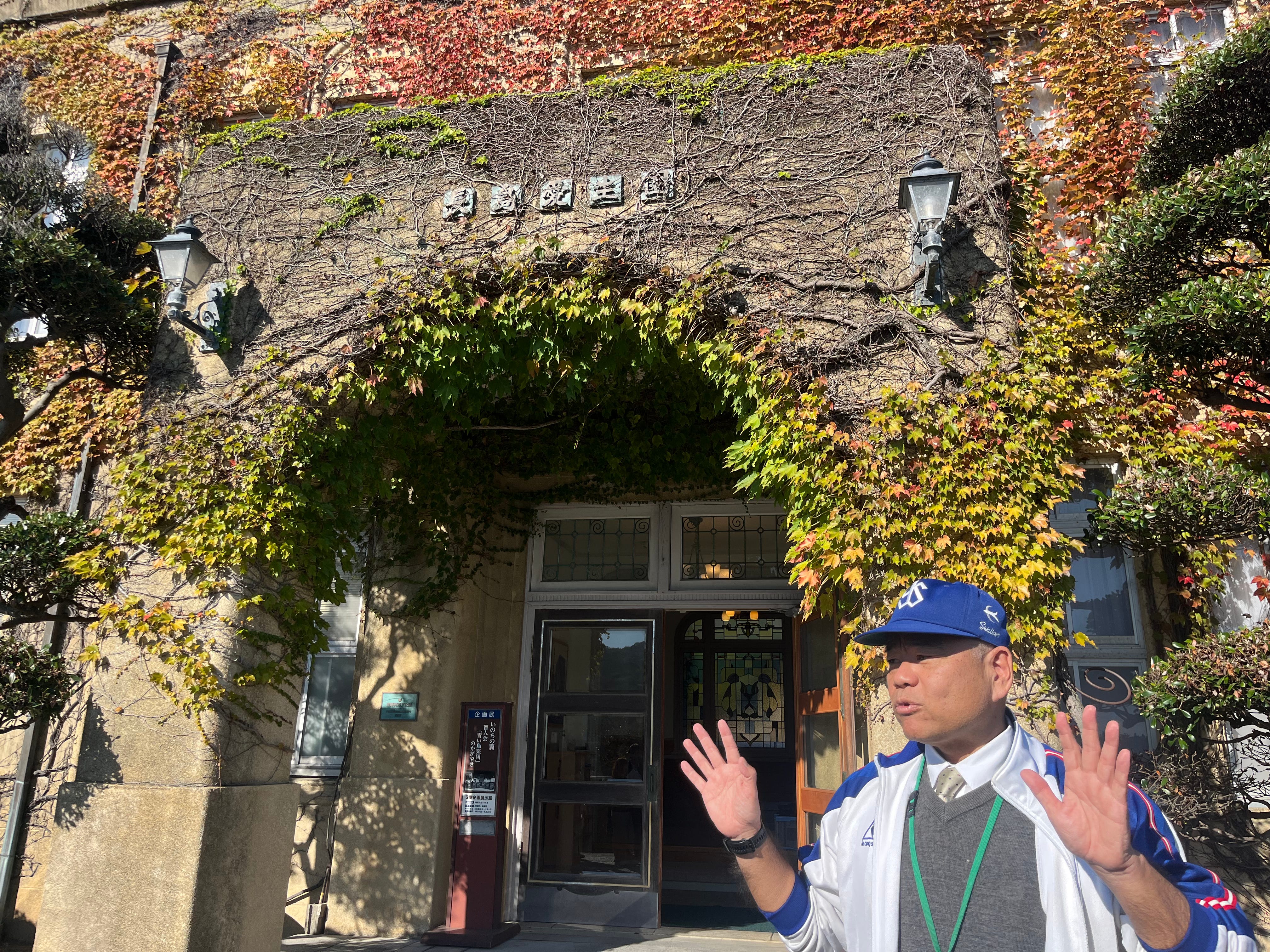
This is one place I think everyone should visit at least once. As a medical doctor, I’ve studied Hansen disease, but seeing the actual island changed how I felt about it.
Hansen disease is an infection caused by a slow-growing bacteria that mainly affects the skin and nerves. For a long time, people misunderstood it and feared it, which led to discrimination and the forced isolation of patients on remote islands in Japan.
Today, we know that Hansen disease is curable, not easily spread, and treatable with simple antibiotics. Once treatment begins, people are no longer contagious.
The tragedy is that even after the medical facts became clear, many patients continued to live in isolation because society didn’t change as quickly as science did. Places like Nagashima Aiseien and its museum help us understand their history, honor their resilience, and make sure these stories are never forgotten.
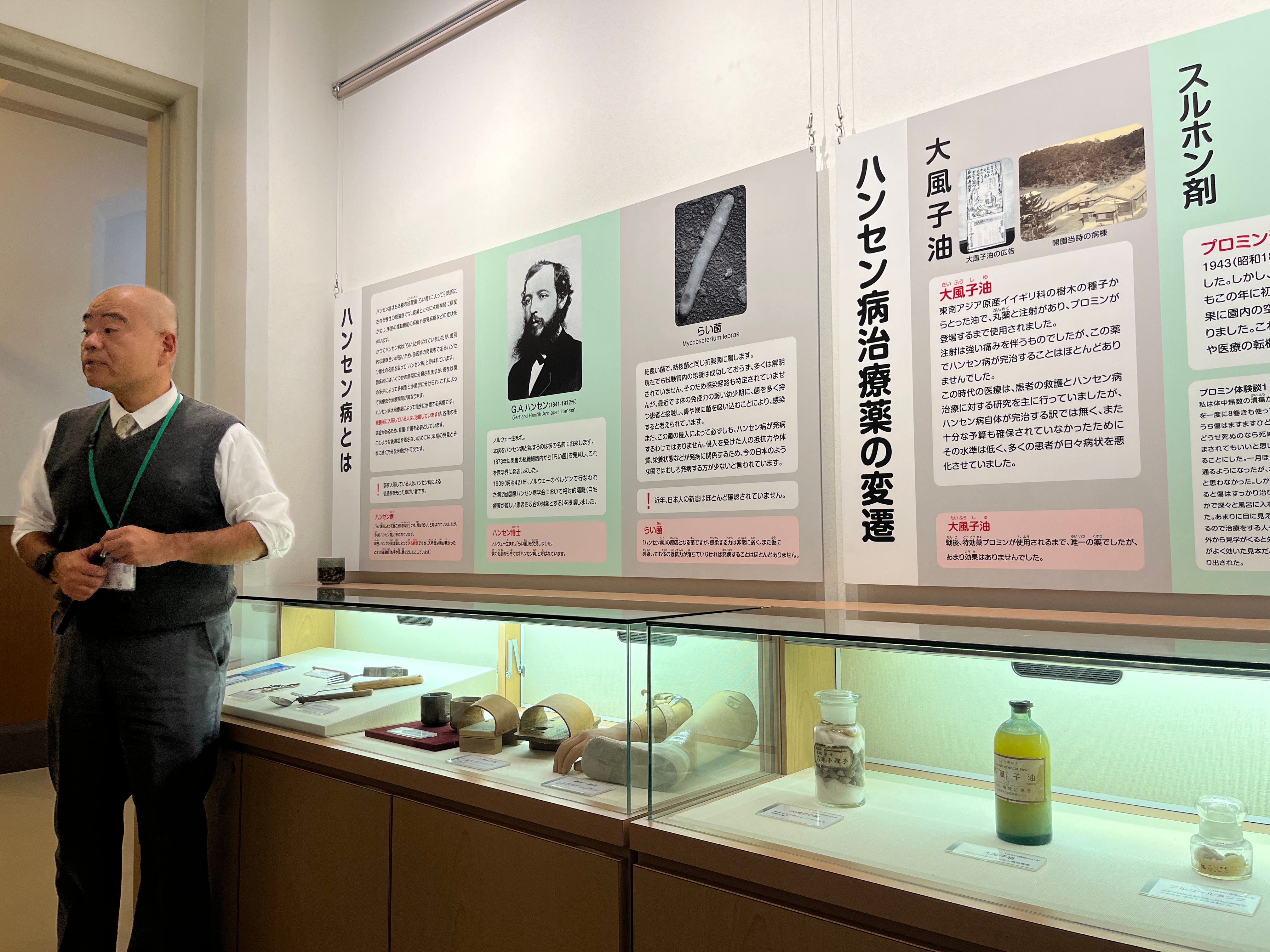
If you’ve watched Princess Mononoke, you might remember the people in the Tatara ironworks who had white bandages wrapped around their bodies. That detail was inspired by Hansen disease. Hayao Miyazaki thought deeply about this topic, and that’s why those characters appear in the story. Walking through Nagashima helped me understand that meaning more clearly. It’s not a heavy or dark experience, but a very human one.

15:50
The Largest Dagashi Shop in Japan
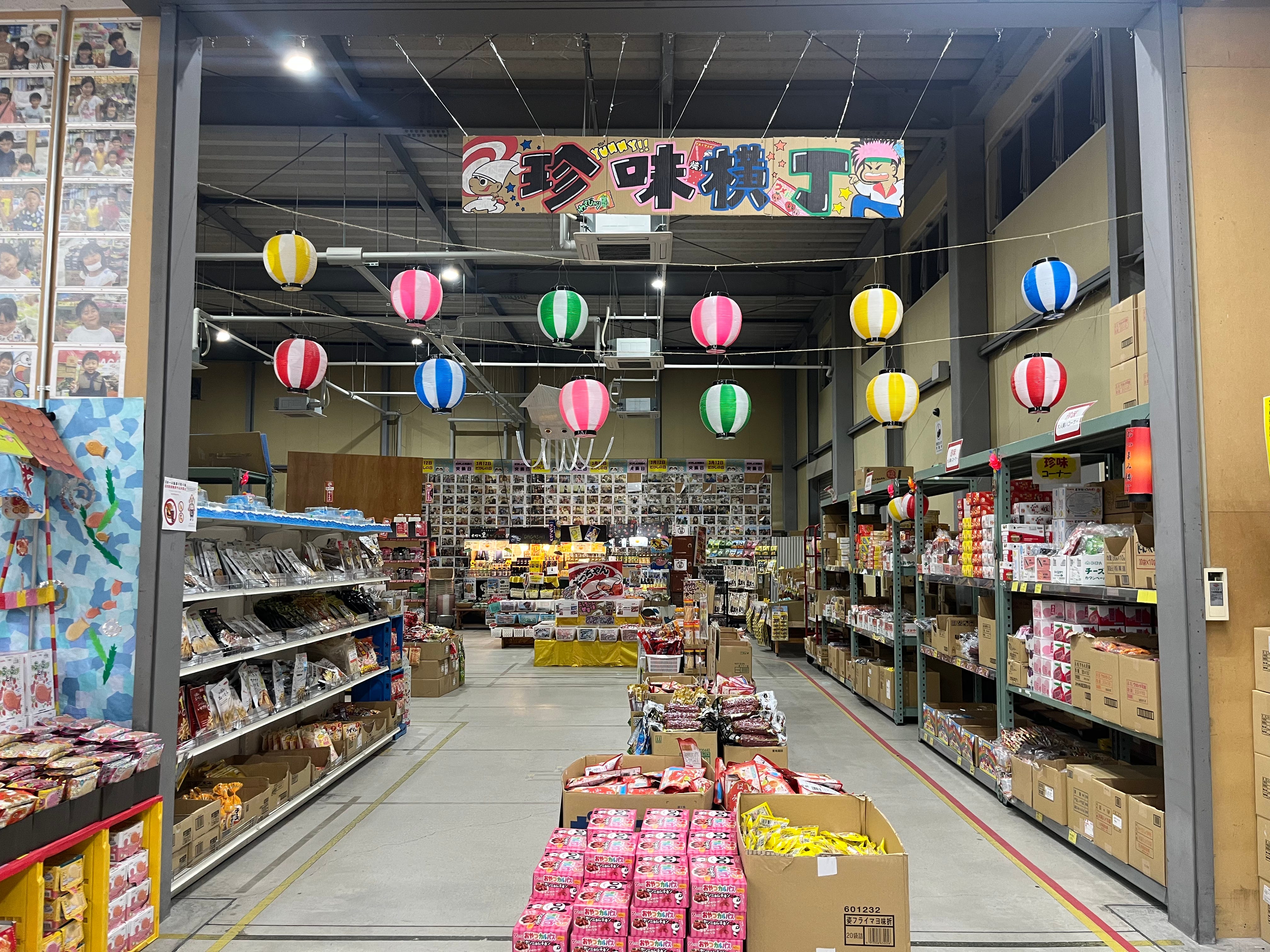
This was the most nostalgic stop. Dagashi snacks are a huge part of Japanese childhood. They are simple, cheap, and playful, and walking through this giant shop felt like traveling back in time. aisles filled with colorful treats, tiny candies, classic flavors, and snacks I haven’t seen since I was little. I bought quite a lot, and I’m planning to write another newsletter introducing my favorite dagashi soon.
For anyone who wants a fun, lighthearted moment during their trip, this place is perfect.
18:00
End of the tour
This tour opened up parts of Okayama that even many locals don’t normally see. Places like the sword museum, Nagashima, and the giant dagashi shop are especially hard to reach without a guide, so joining this tour makes the experience smooth and enjoyable.
If you’re looking for a slower, more meaningful side of Japan, or if you love anime and want to see the inspirations behind some iconic scenes, this tour will make your trip unforgettable!
Price
25,000 yen, every Thursday
Tour link
https://www.rsk.co.jp/special/okayama_bus_tour/
If you’re interested, take a look at the website and explore the hidden side of Okayama on your next visit!
I've always wanted to visit Okayama. Maybe this is the inspiration I finally need.
I have only recently read “Sweet bean paste” by Durian Sukagawa, which also tackles the Hansen malady (you wouldn’t have said from the title). I was truly touched to find out the moving history behind and how tough it was on those concerned. What a coincidence to read about it in the itinerary… (sounds great, thanks for sharing!)
And