

The tasting counter at Niigata Station was busier than I expected for the middle of the day — a line of vending-style dispensers, a rented cup in my hand, and a wall of bottles I had no real way to judge except by the tasting notes stapled next to each one.
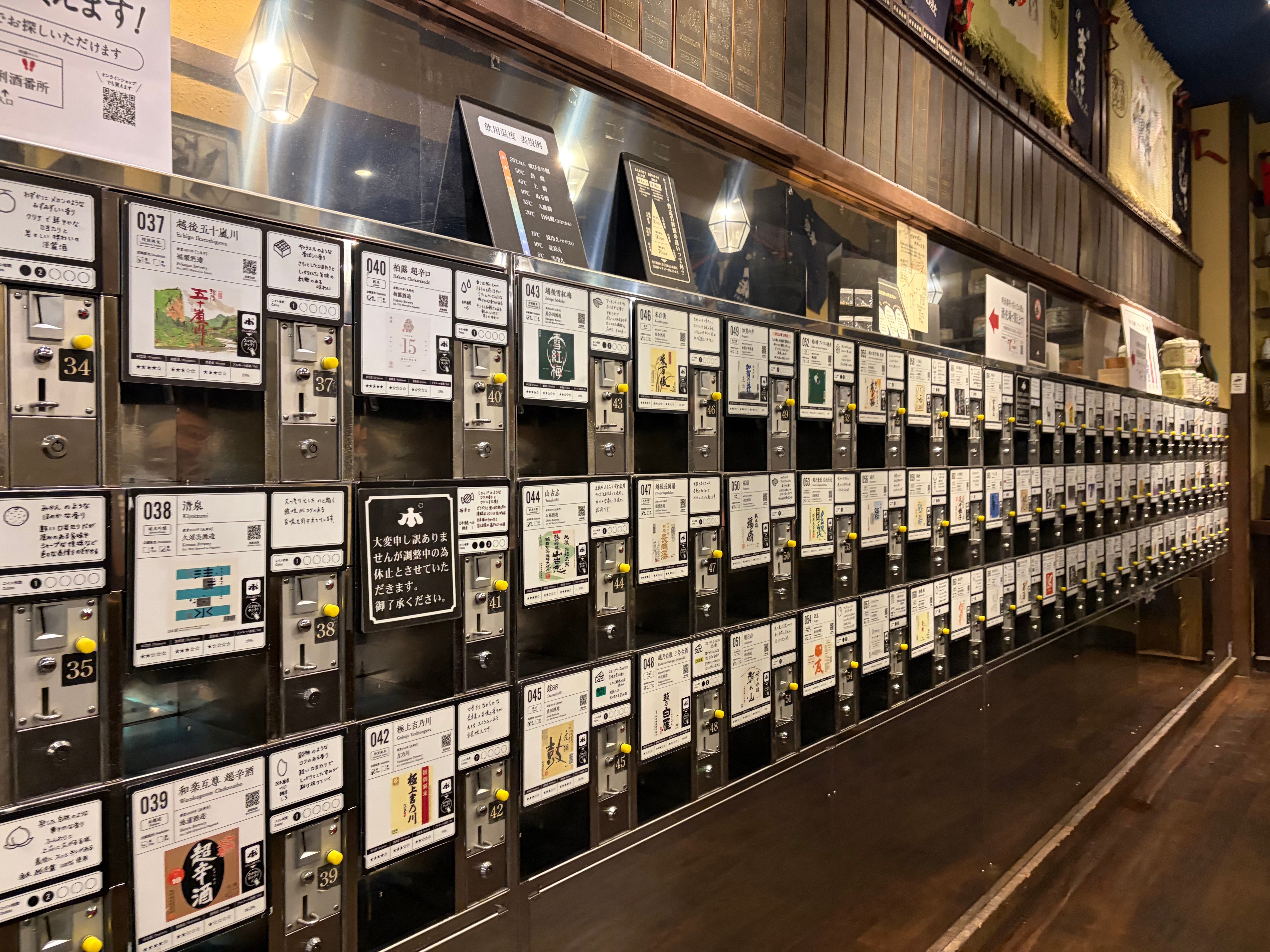
I picked five, mostly at random, and by the third one I understood something I hadn’t before: sake isn’t one drink. It’s a whole category, the way “wine” is a category, and Niigata makes a specific, recognizable style of it.
This is the deep dive I promised in Part 1. Free readers get the “why Niigata,” “how it’s made,” and the rice-polishing breakdown that most sake guides skip.
Paid subscribers get the rest — my actual visit to Imayotsukasa, Niigata’s oldest sake brewery, the full breakdown of the station tasting experience, and where I’d send you to drink it with food.
Why Niigata Is Japan’s Sake Capital
Sake is, at its simplest, rice, water, koji mold, and yeast. That means the two ingredients that matter most are the same two ingredients Niigata is already famous for: good rice and good water. The prefecture’s snowmelt supplies clean, mineral-light water, and its winters are cold enough to keep fermentation slow and controlled — which, for sake, is a good thing. Slower fermentation generally means a cleaner, more refined result.
That’s also why Niigata has one of the highest concentrations of sake breweries (kura) of any prefecture in the country. It isn’t marketing. It’s geography.
How Sake Is Actually Made, Step by Step
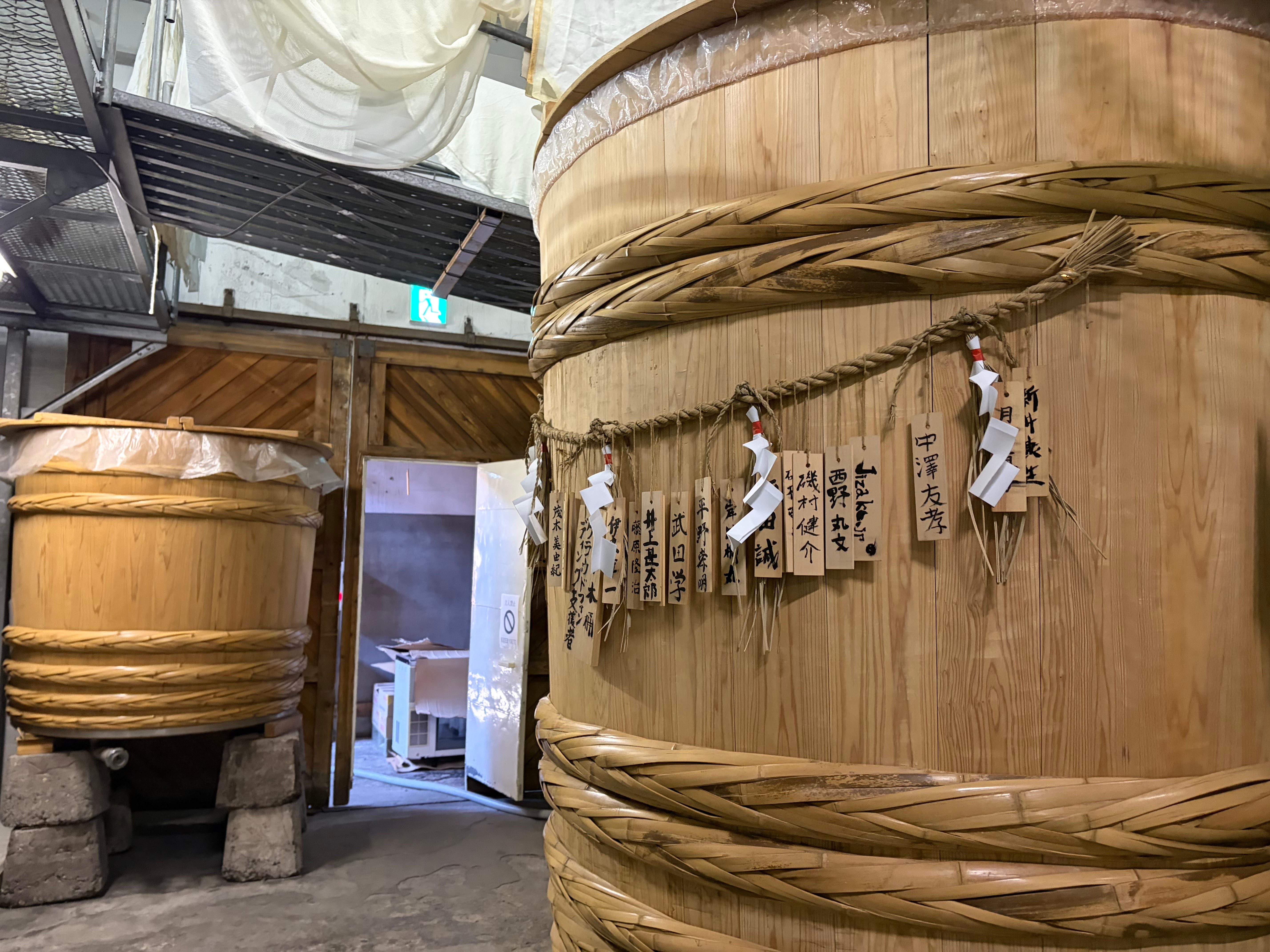
I’m not a brewer, but as a doctor I like understanding what’s actually happening to something before I recommend it to people, and sake-making is a more involved process than most people assume — it isn’t a beer-style single fermentation.
1. Polishing (seimai)
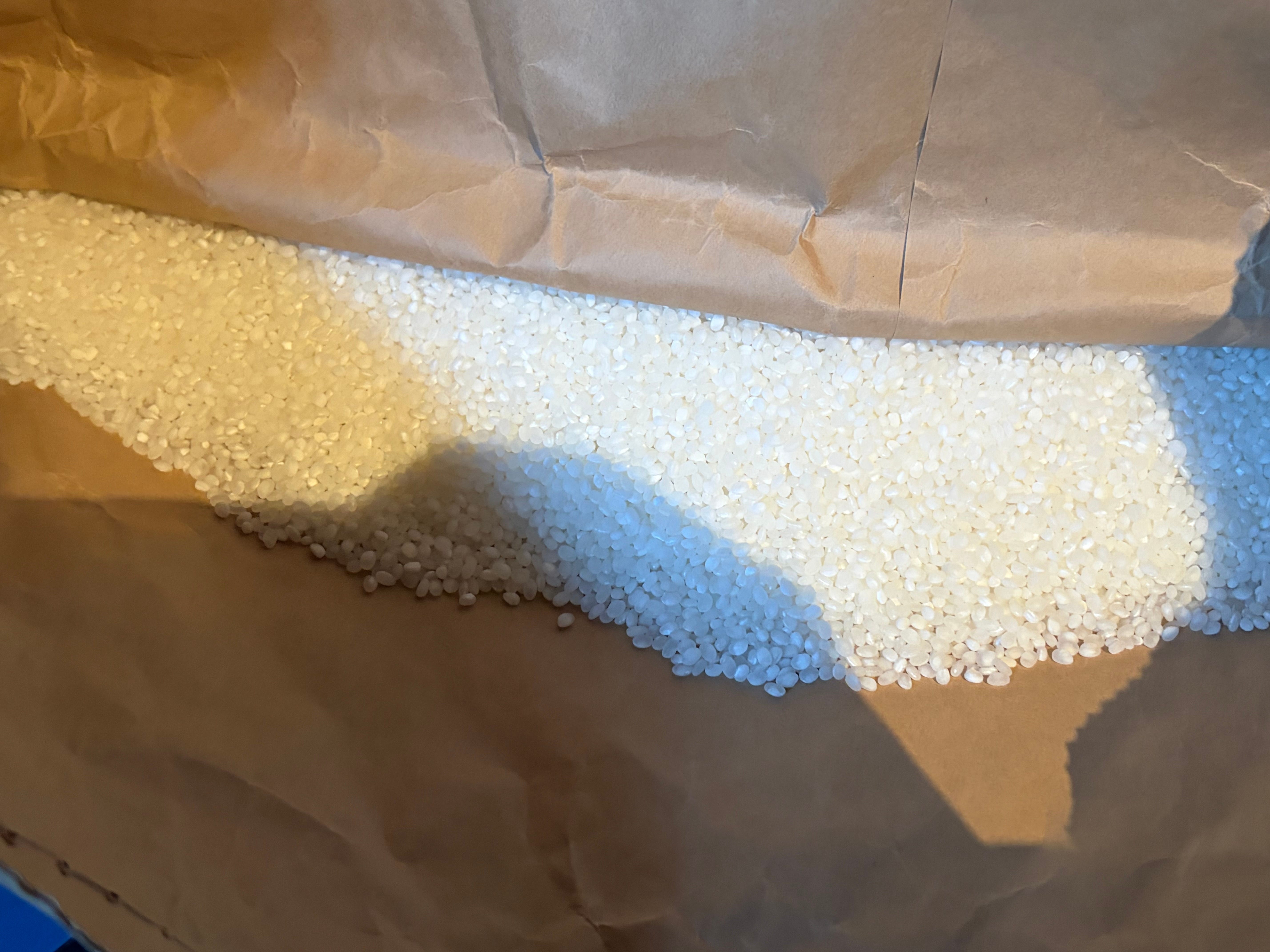
Rice grains are milled down, removing the outer layers that contain fats and proteins that would make the sake taste rougher. The percentage remaining after polishing (seimaibuai) is often printed on the label — the lower the number, the more was polished away.
2. Washing and steaming
Polished rice is washed, soaked, and steamed rather than boiled.
3. Koji-making
A mold (Aspergillus oryzae) is cultivated on part of the steamed rice, converting starch into fermentable sugar.
4. Yeast starter (shubo)
Koji, more steamed rice, water, and yeast are combined into a small starter batch.
5. Main fermentation (moromi)
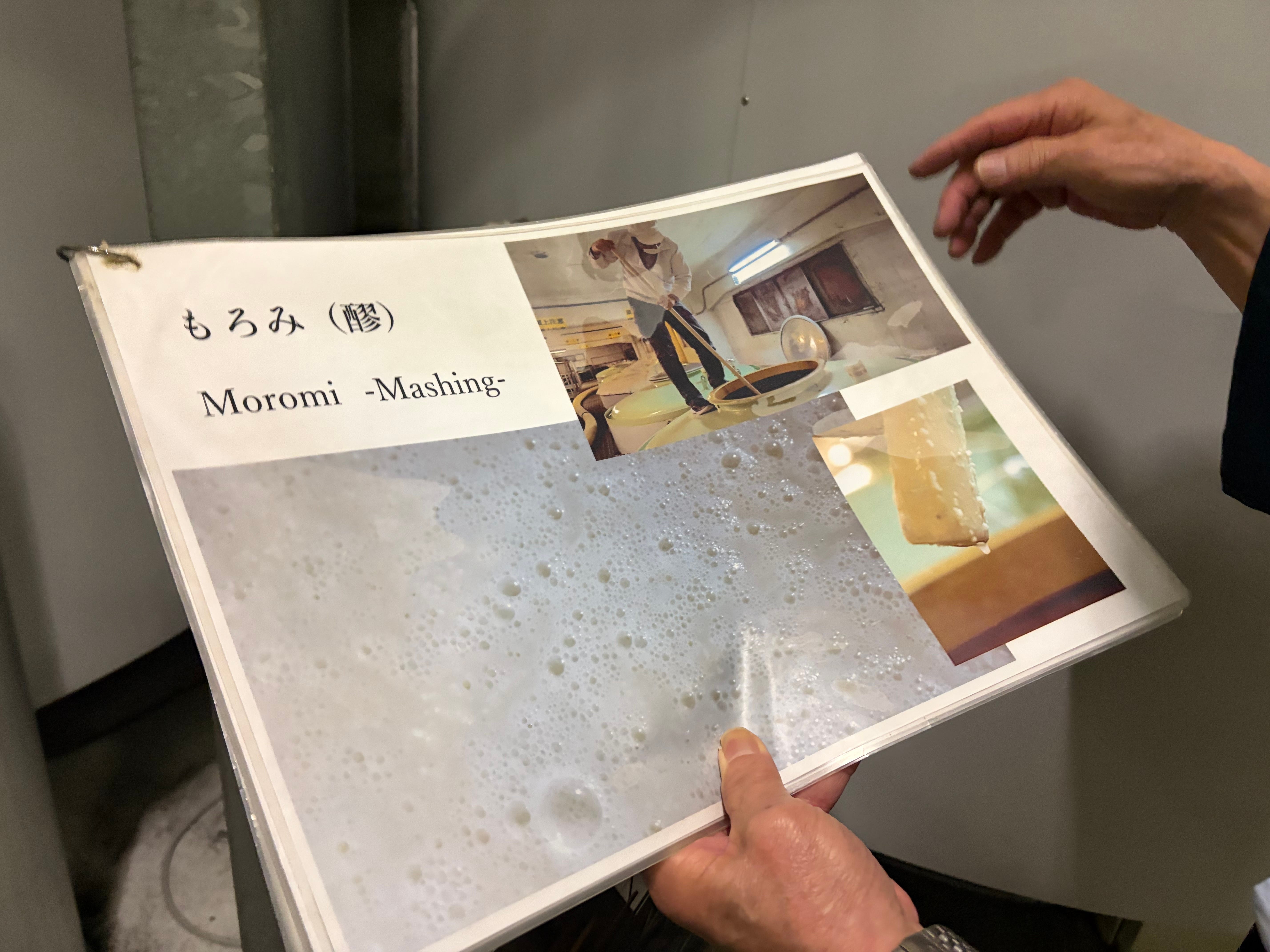
The starter is expanded in stages over roughly three to four weeks, with koji converting starch to sugar and yeast converting sugar to alcohol at the same time — a process unique to sake, called multiple parallel fermentation.
6. Pressing
The fermented mash is pressed to separate the clear sake from the solid lees (kasu).
7. Filtering, pasteurizing, aging
Most sake is lightly filtered, heat-treated once or twice, and rested before bottling.
That “starch converting to sugar and alcohol at the same time” step is the part that actually surprised me. Beer and wine ferment in a single stage. Sake runs two conversions in the same tank, at the same time — which is part of why it’s a genuinely more technical process than either.
Junmai, Ginjo, Daiginjo: The Rice Difference Nobody Explains
Every sake label carries one of these three words, and almost nobody explains what they actually mean. It comes back to that polishing step (seimai) from the table above, and once you see it laid out, it’s genuinely satisfying to understand.
Junmai (純米)
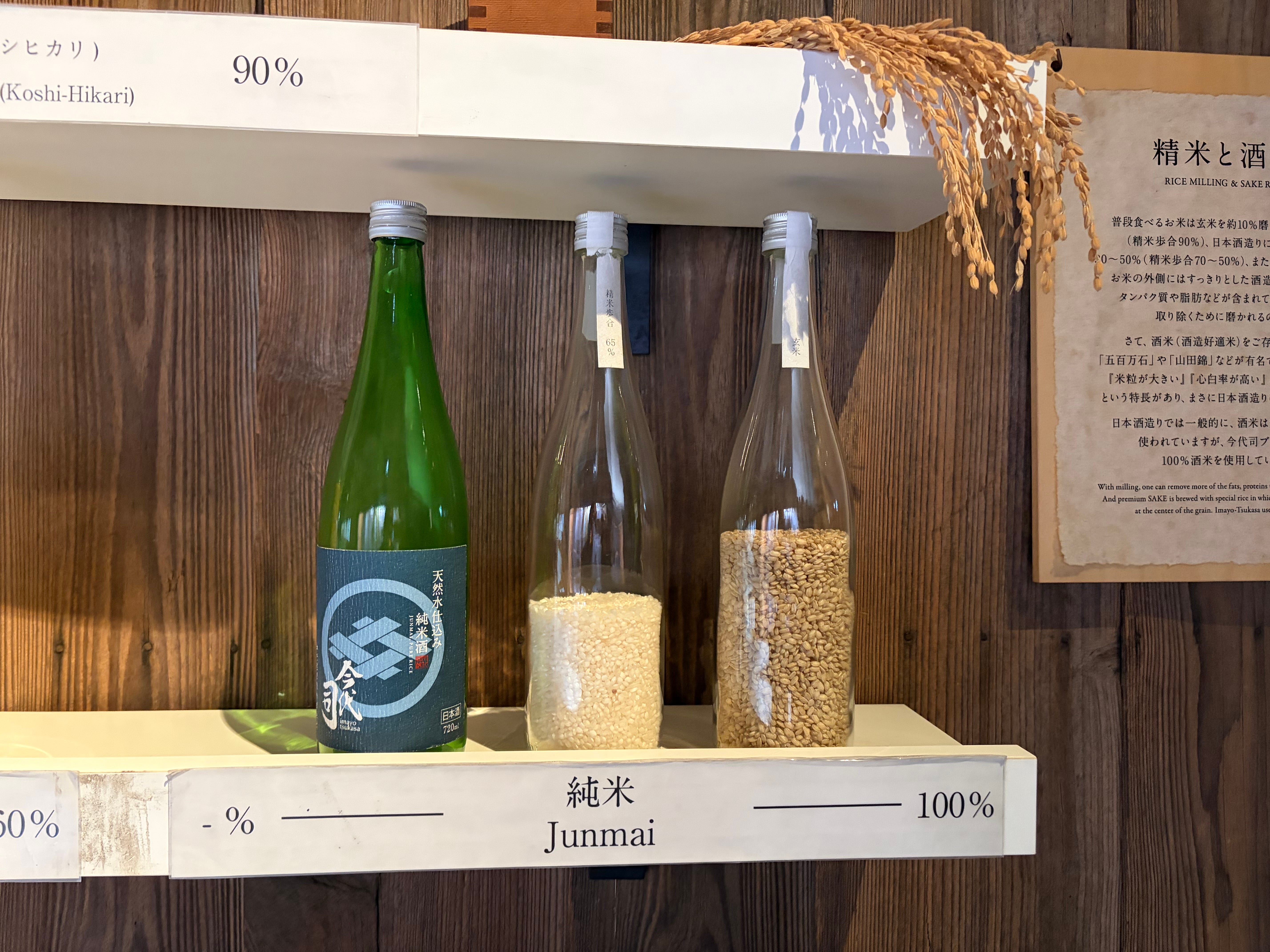
Pure rice sake — just rice, water, koji, and yeast, no distilled alcohol added. There’s no required polishing minimum. This is the category Imayotsukasa, the brewery I visited, specializes in exclusively — more on that below.
Junmai Ginjo (純米吟醸)
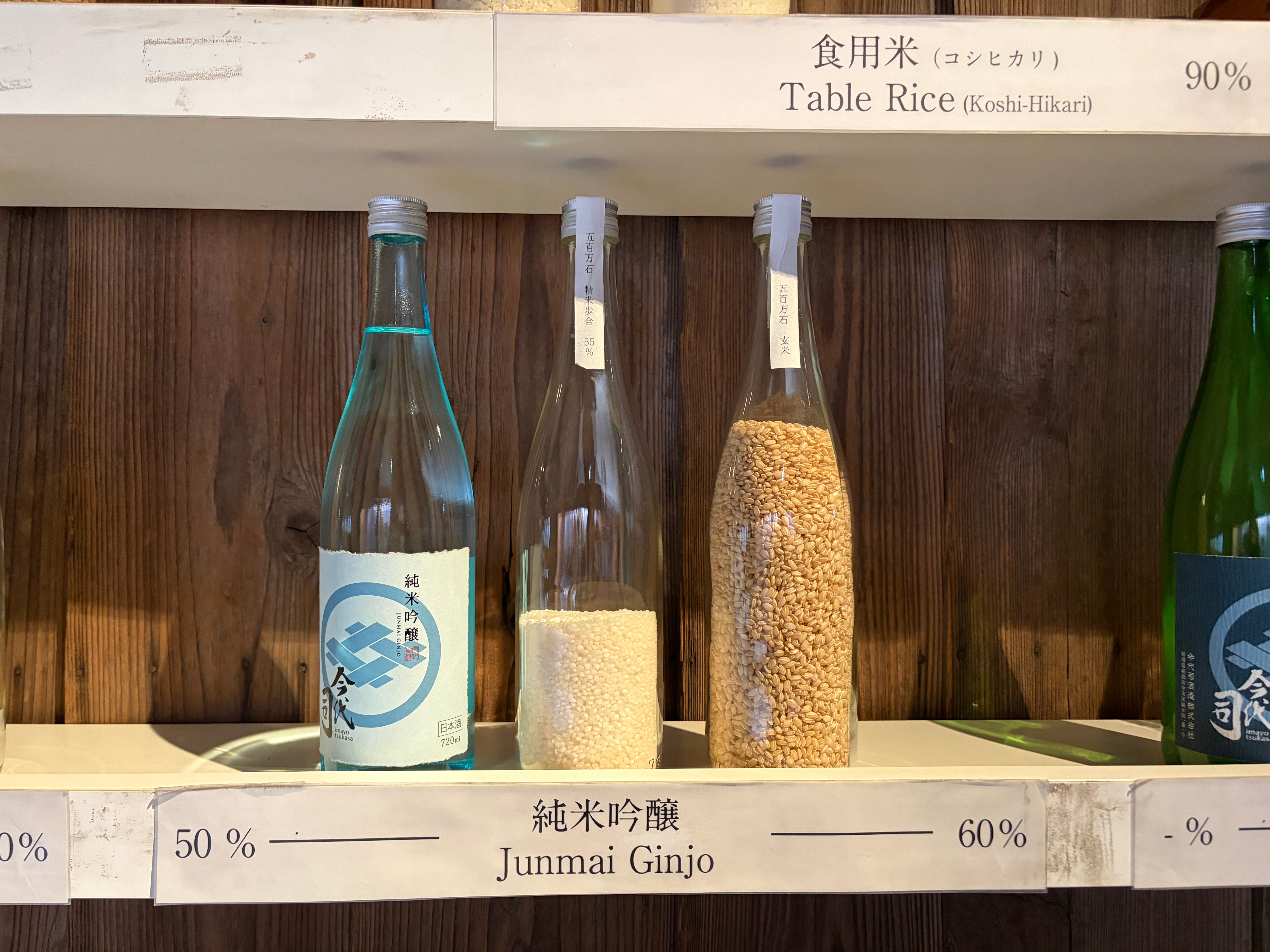
Same pure-rice rule, but at least 40% of each grain has to be polished away before brewing starts — meaning 60% or less of the original grain remains.
Junmai Daiginjo (純米大吟醸)
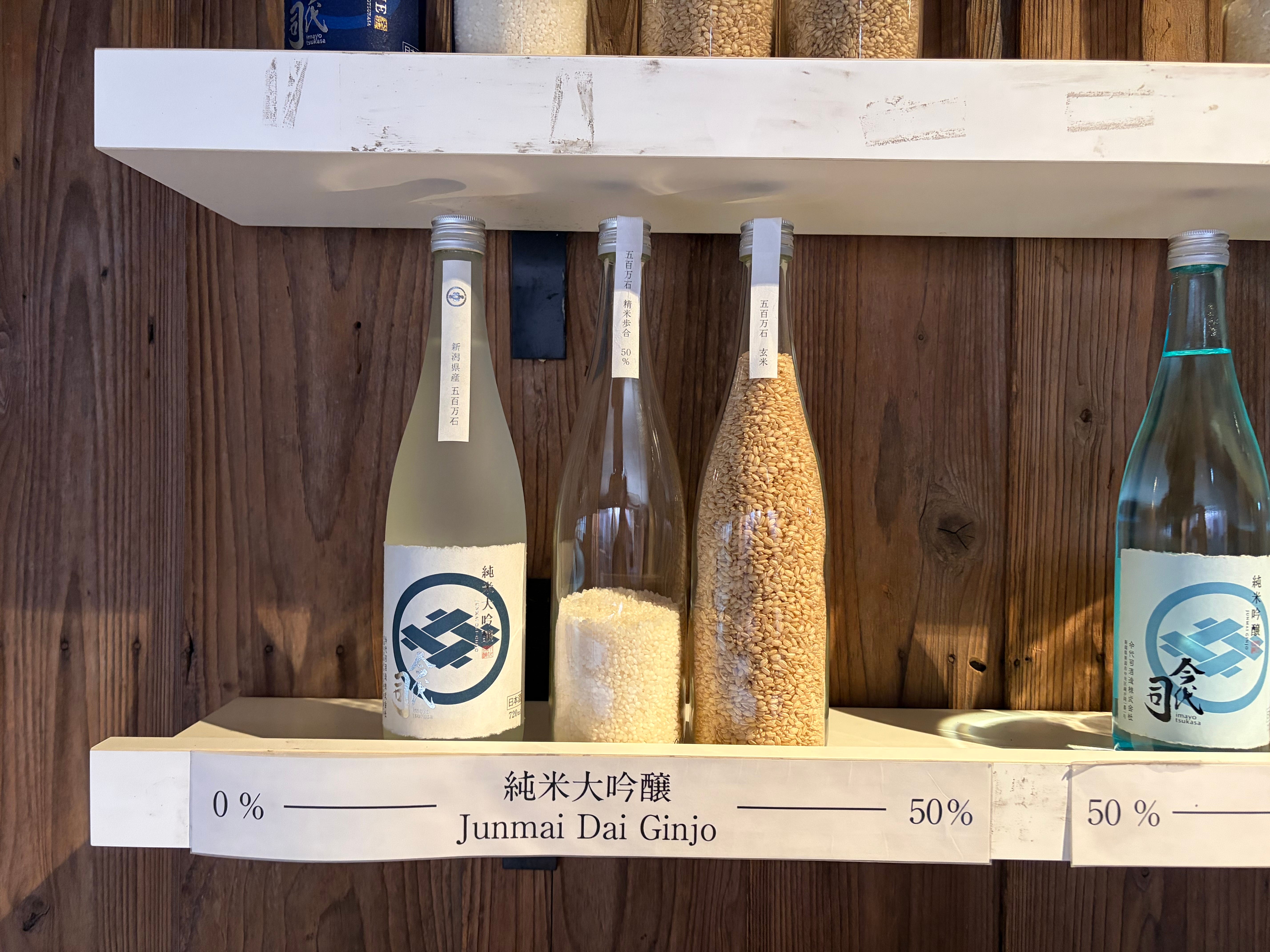
The strictest tier. At least half of each grain is polished away — 50% or less remaining — which is why daiginjo has that noticeably lighter, more fragrant character.
Here’s the part that actually surprised me: the more a sake is polished, the more raw rice it takes to make the same bottle. Milling away half a grain to make daiginjo means you need roughly twice as much raw rice as a junmai brewed from a grain that’s barely polished at all, just to end up with the same usable amount of starch. That’s a direct, physical reason daiginjo costs more — it isn’t only marketing, it’s arithmetic. At the brewery, there was a display comparing the three grades side by side, showing what’s left of the same starting grain after each level of polishing — genuinely one of the more interesting five minutes of the whole trip.
One more thing worth knowing before you plan around this trip: if you’re going to taste sake at Niigata Station’s Ponshukan tasting counter (more on that below), the price just changed. As of July 2026, it’s ¥1,000 for five tasting tokens — up from ¥500, the first increase since the counter opened in 1995. Budget for double what older guides and blog posts still say.
This is where the free preview ends. Paid subscribers get the brewery visit, the full station tasting breakdown, where to drink it with food, and the honest downside of a sake-heavy trip.
