

A Local Japanese Insider’s Guide to Finding REAL Halal Japanese Food (and Why It’s Been So Difficult Until Now)
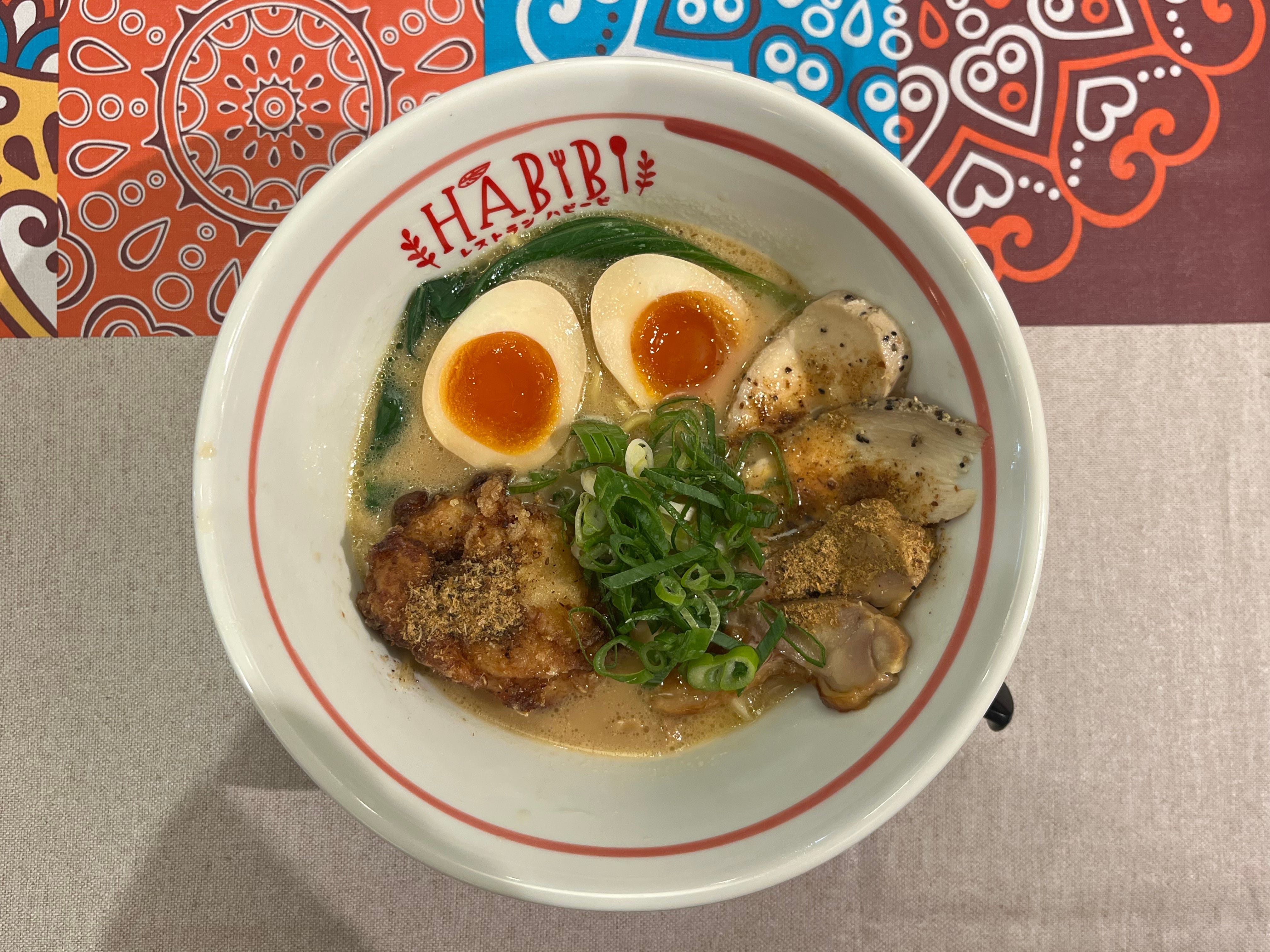
As someone who grew up in Japan and later lived abroad, I’ve heard countless times from Muslim and vegan friends how stressful it can be to eat safely while traveling. And honestly? Japan is no exception. Even as a local, it hurts to say that most “authentic ramen” or “classic donburi” are not actually vegan or halal-friendly — even if they look plant-based at first glance.
Typical ramen broths are made from pork or chicken bones. Even soy sauce ramen almost always uses animal stock. Donburi sauces and broths rely heavily on fish-based dashi or alcohol-based mirin. For Muslim and plant-based travelers dreaming of “wellness travel Japan,” food can become a constant source of uncertainty.
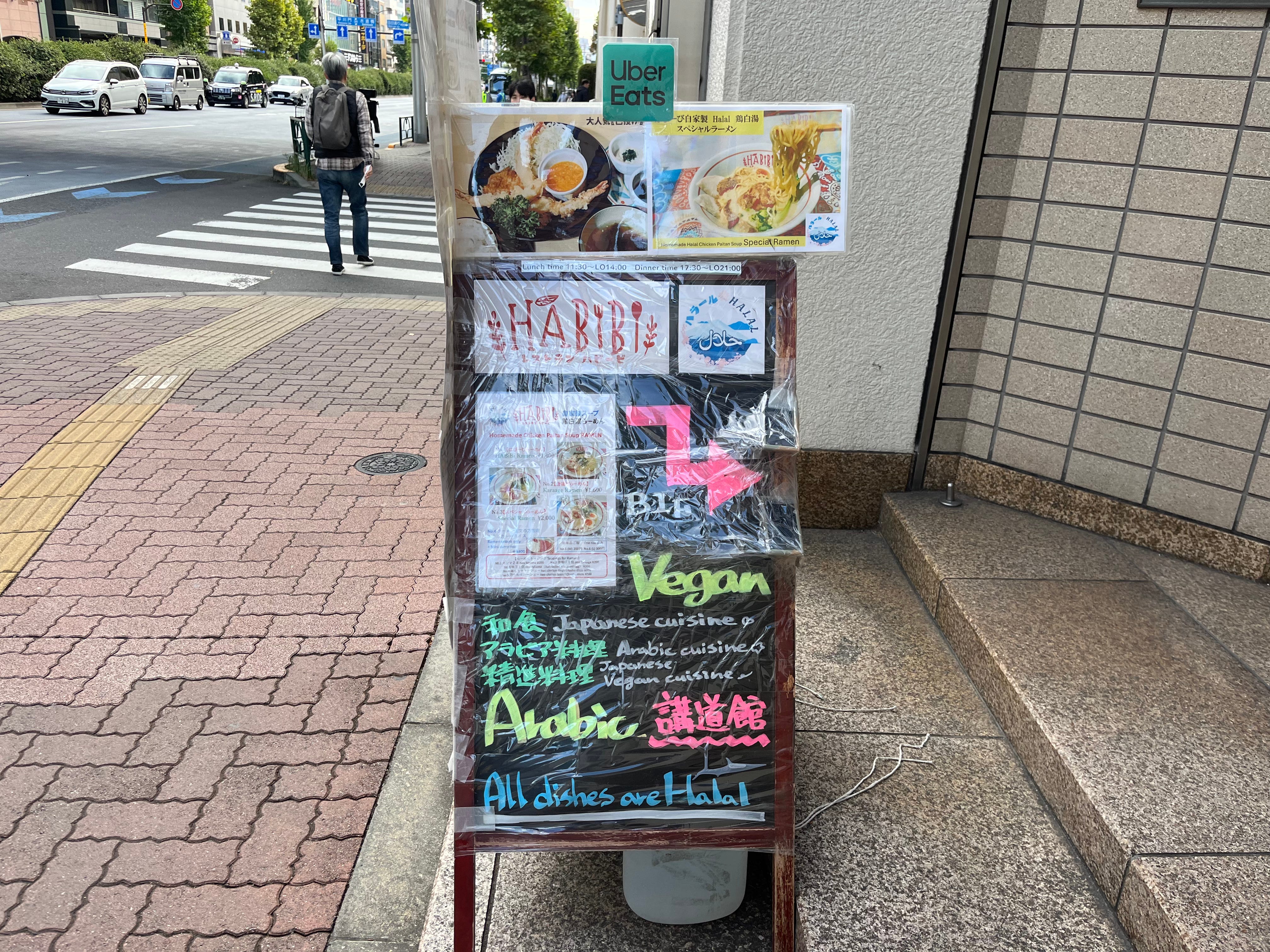
But recently, I found a restaurant — Habibi, a halal-certified Arab–Japanese fusion restaurant in Tokyo. Now I can confidently tell Muslim and vegan visitors: Yes, you can finally enjoy real ramen, shojin ryori, and Japanese flavors without compromise.
What Makes Habibi Special for Halal & Vegan Wellness Travelers
1. Halal That’s Truly Halal
Some places say “halal-friendly,” but Habibi is the real thing — fully certified, handled by a Middle Eastern chef, and completely free from alcohol, cross-contamination, or hidden ingredients. It’s one of the few places in Japan where you can sit down, order, and feel 100% sure everything follows proper halal standards.
2. Halal That Still Tastes Like Real Japanese Food
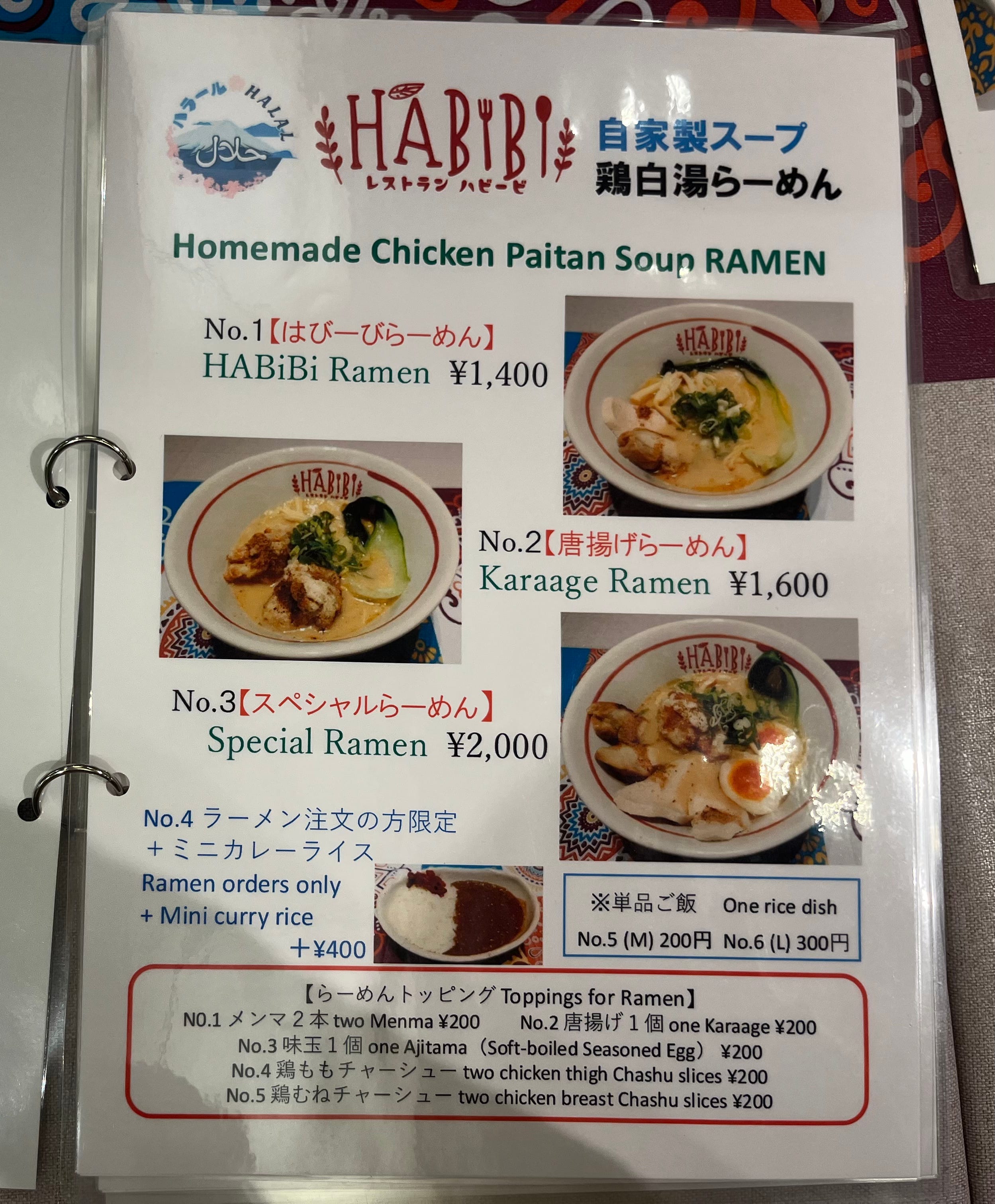
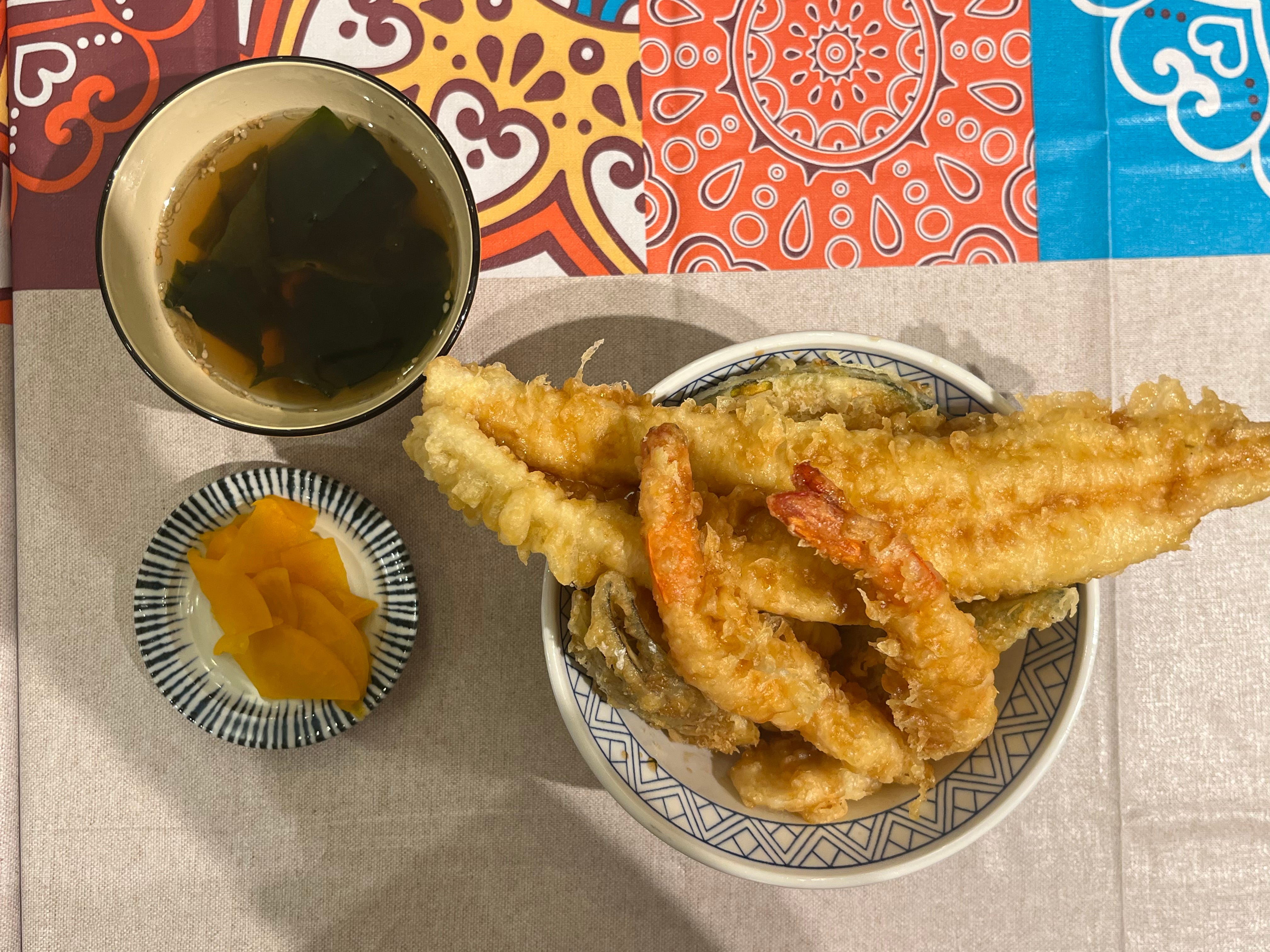
Even when halal options exist in Japan, the flavors can feel very different from authentic Japanese cooking because the ingredients have to be swapped. But Habibi surprised me — the ramen I tried had so many layers of flavor that I actually couldn’t tell it was halal. The donburi was the same: I had so many toppings packed into one bowl that it felt like real Japanese home-style comfort food. It’s one of the closest “halal-safe but still Japanese” meals I’ve had.
3. More Than Just Ramen — Shojin Ryori & Tendon Too
The vegan side of the menu is supervised by Rev. Kakuhō Aoe, the Jodo Shinshu monk known for shojin ryori. I haven’t experienced full shojin ryori myself yet, but knowing a real monk designs the flavors adds so much depth and meaning.
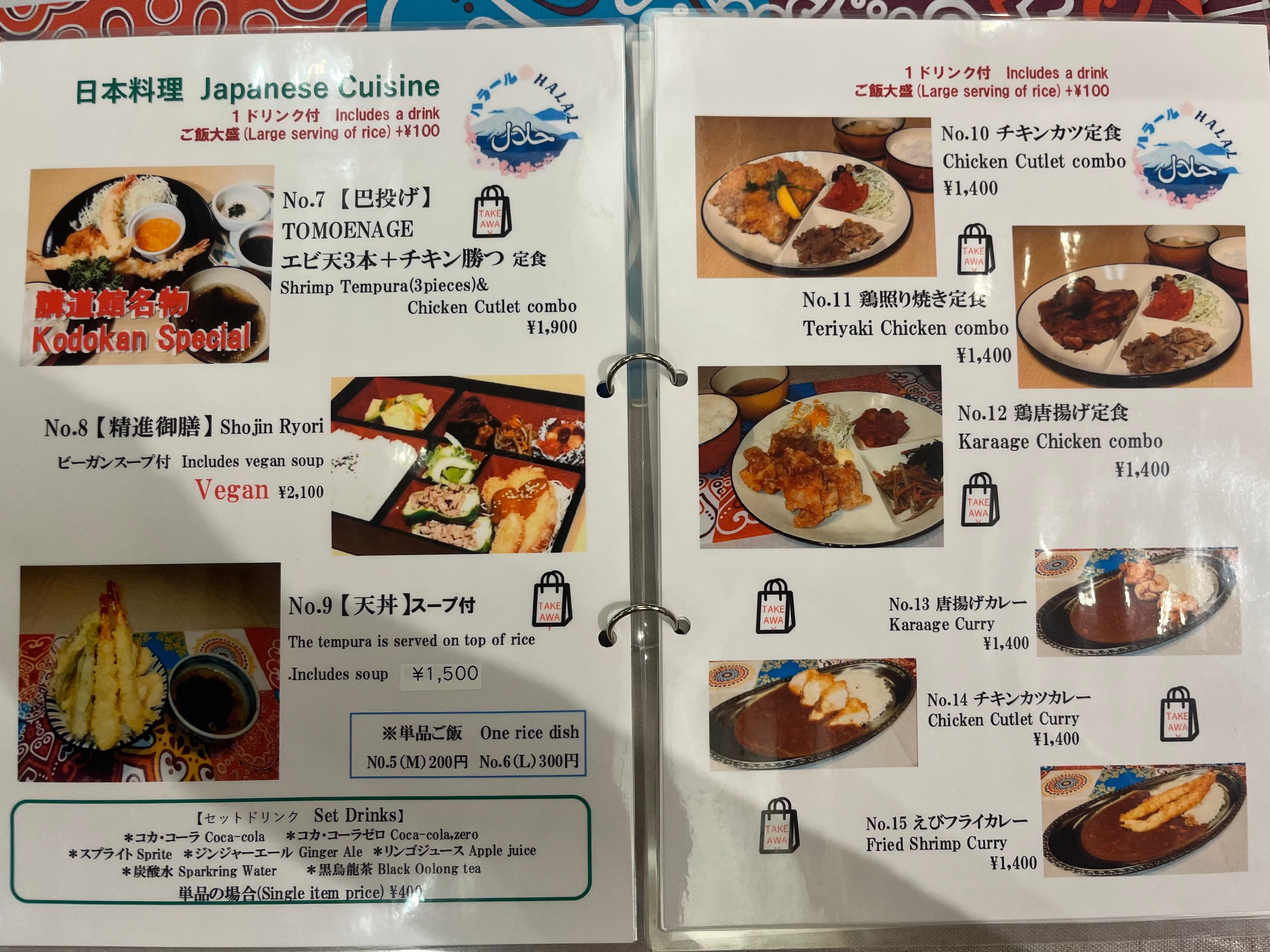
And it’s not only ramen and shojin ryori — there are tendons, vegan donburi, and other dishes that stay true to the spirit of Japanese temple cuisine. It’s rare to find a place where halal, vegan, and traditional Japanese philosophy come together so naturally.
Habibi (ハビービ) — Halal-Certified Information
Address: Basement, Kodokan New Building, 1-16-30 Kasuga, Bunkyo-ku, Tokyo 112-0003
Nearest Stations: Korakuen Station (Marunouchi / Namboku Lines)
Hours: Mon–Sat: Lunch 11:30–14:30 (L.O. 14:00), Dinner 17:30–21:30 (L.O. 21:00), Closed Sundays
I enjoyed some amazing vegan food in Japan.
Why encourage Islam in Japan? Islam will destroy Japanese culture.